

What Is a Transmission Service?
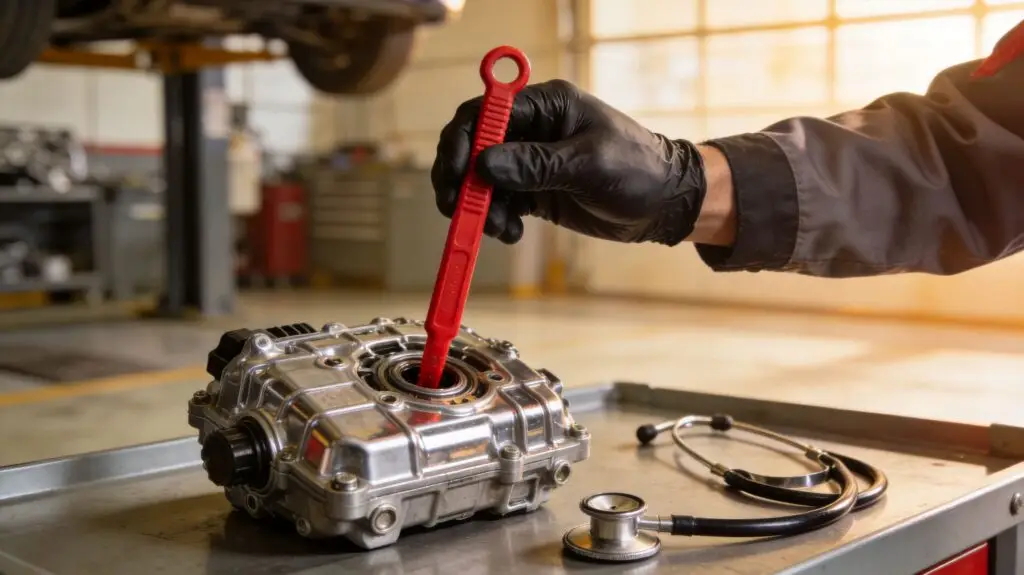
You're driving home through Richland Hills traffic, the light turns green, you ease into the throttle, and the car hesitates for a second before it shifts. Maybe it feels a little late. Maybe there's a small shudder you've never noticed before. Most drivers try to ignore that moment and hope it doesn't happen again. That's […]
What Equipment Do Professional Shops Use for an Oil Change?
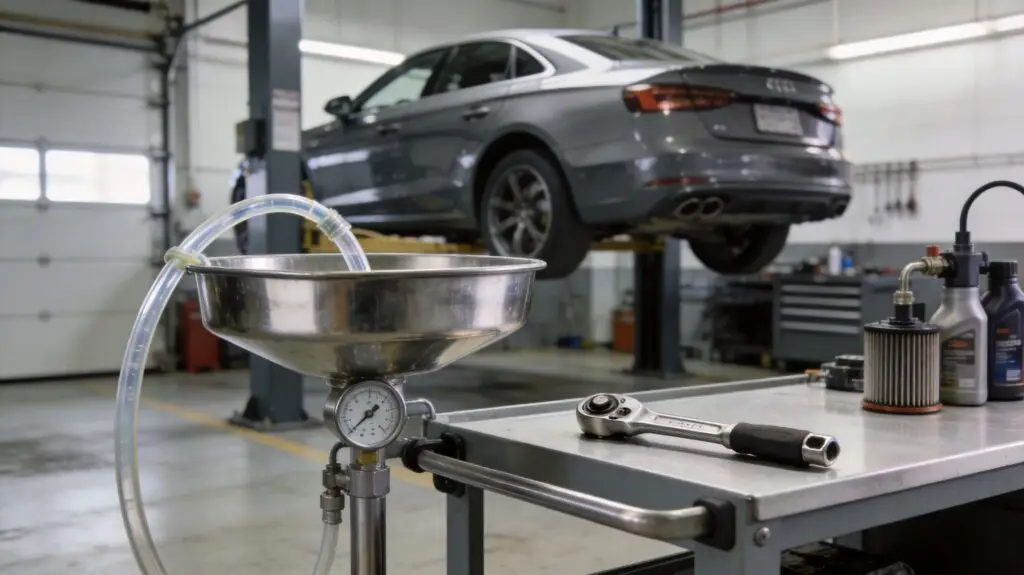
You pull into a lube bay because you need one thing. Get in, get the oil changed correctly, and get back to work, school pickup, or the next stop on your day. If the service is finished quickly, it can look simple from the driver's seat. Behind the garage door, it isn't simple at all. […]
Toyota Oil Change Guide: What Owners Should Know

The maintenance light comes on when you're pulling into the driveway after a week of Highway 183 traffic, quick school runs, and a few idling minutes in a hot parking lot. That's usually when most Toyota owners start wondering the same thing. Is it really time yet, or can it wait a little longer? Around […]
How Does an Oil Filter Work?
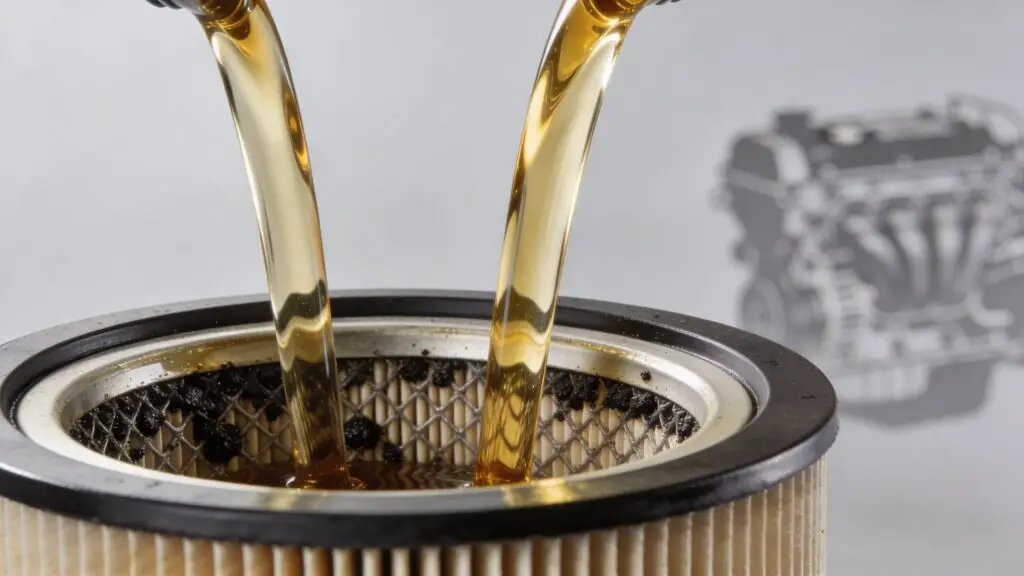
You’re probably here because this has happened to you before. You pull into a shop for an oil change, somebody checks your car, and then comes the question: “Do you want to replace the oil filter too?” A lot of drivers hear that and think the filter is the small add-on. The side item. The […]
Types of Oil Filters: Which One Does Your Car Need?
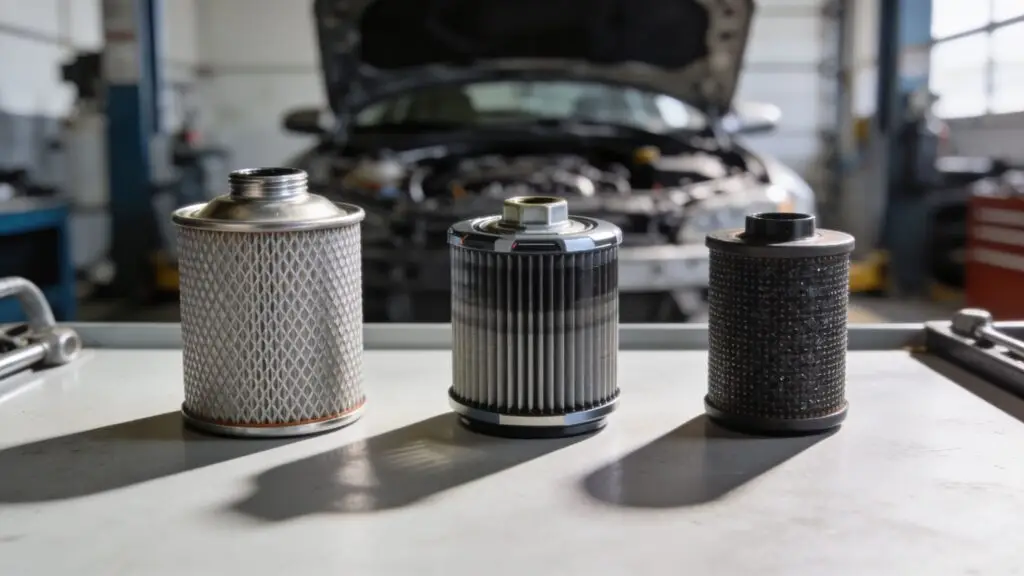
You pull into the shop for a routine oil change. The service advisor asks a simple question: “Do you want the standard filter or the better one?” Most drivers pause right there. That hesitation makes sense. Oil filters look small, cheap, and interchangeable. From the outside, one metal can or paper element doesn’t seem all […]
What Causes Engine Oil to Turn Black?
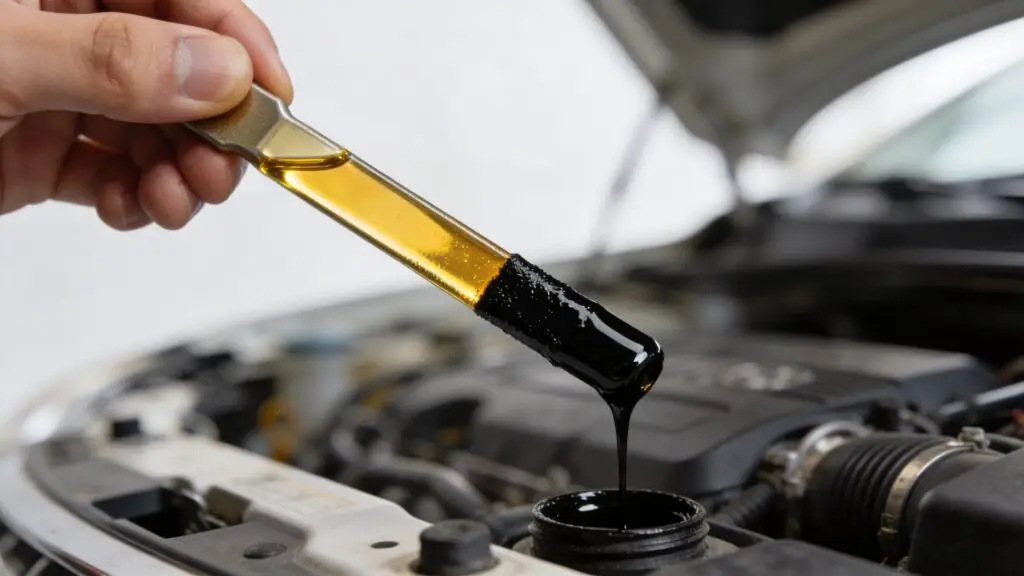
You check your oil on a Saturday morning, wipe the dipstick, look down, and your stomach drops. The oil is black. Maybe you just had it changed not that long ago, or maybe the vehicle is running fine and the color alone caught you off guard. That reaction is normal. A lot of drivers assume […]
When Do Shocks & Struts Need Replacement?
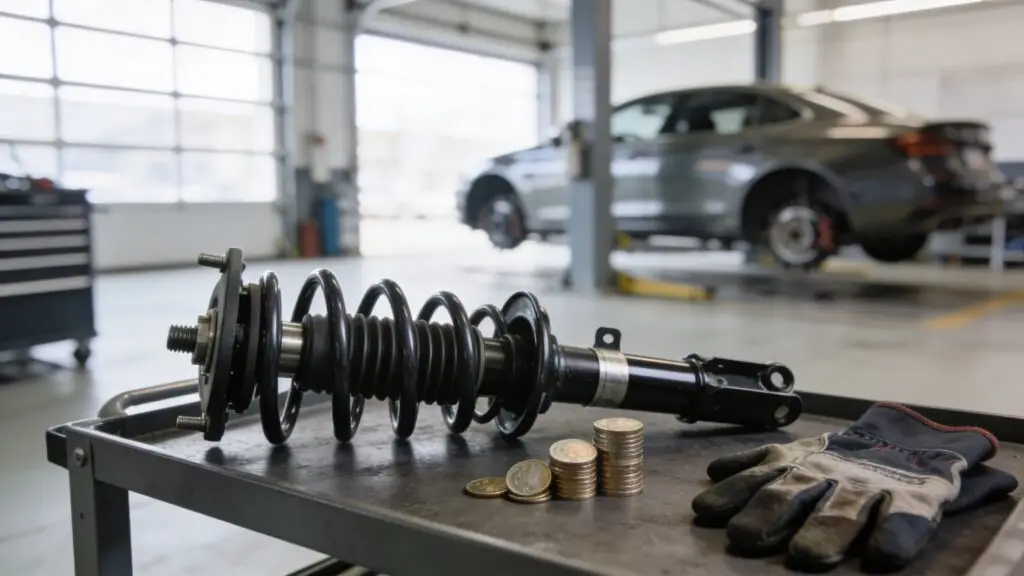
Most drivers can expect a car shocks and struts replacement cost somewhere around $1,000 to $2,500, with national averages running $1,057 to $1,260 per assembly and full four-corner jobs ranging from $1,000 to $5,000 based on the vehicle and parts used. In Richland Hills, the final number can swing up or down depending on whether […]
Is It Cheaper to Change Your Own Oil? A Cost Analysis
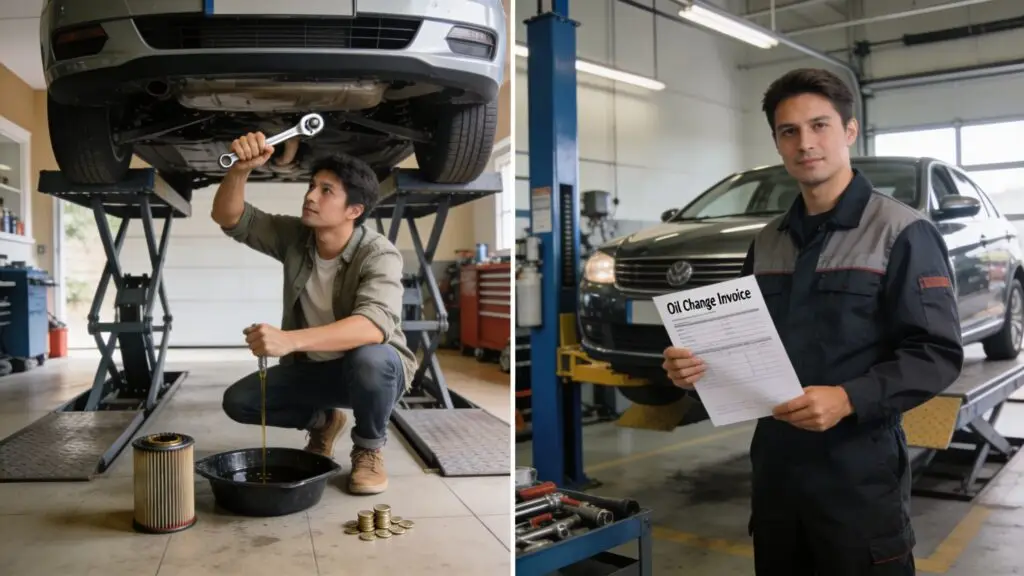
Saturday morning in Richland Hills, the hood is up, a drain pan is on the ground, and you are trying to decide whether this oil change is a smart way to save money or just another chore that eats half the day. That question deserves a straight answer from a cost standpoint, not just a […]
Good Oil Filters for Cars: A 2026 Buyer’s Guide
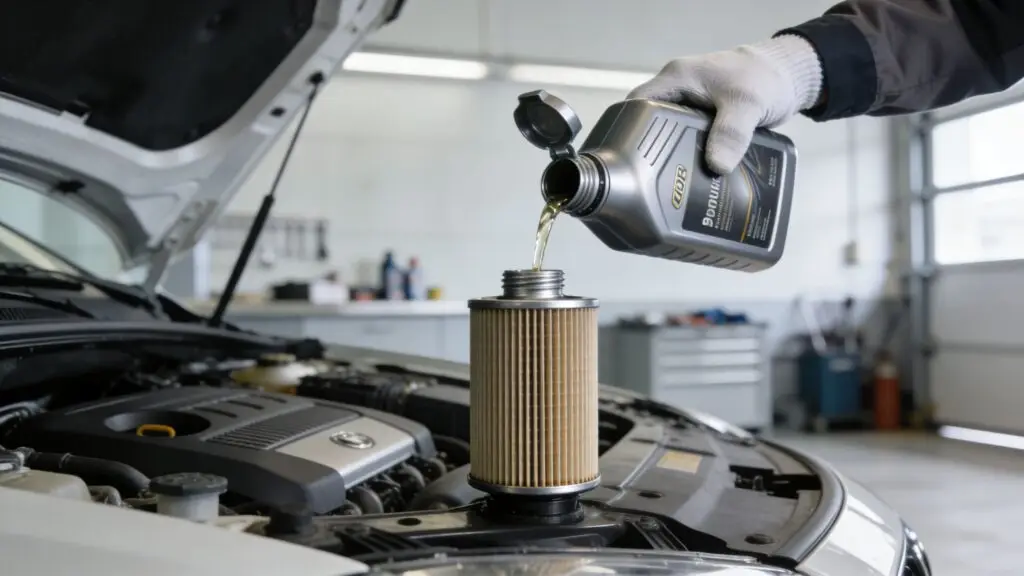
You’re probably here because you need an oil change, you saw a wall of filter boxes at the parts store, and every one of them claims to protect your engine. That’s where a lot of drivers get stuck. The filter looks small, the price differences seem random, and it’s hard to tell what is important. […]
Expert Mechanic Mercedes Benz Near Me in Richland Hills

That warning light came on during the drive down Boulevard 26, and now you’re doing what most Mercedes owners do next. You pull over when you can, open your phone, and type mechanic mercedes benz near me. That search is easy. Choosing the right shop isn’t. A Mercedes-Benz can be a pleasure to own when […]