

Your engine oil is easy to ignore when the car still starts, the AC still blows cold, and the drive to work feels normal. That’s why so many drivers in Richland Hills put off an oil change for another week, then another month. The problem is that oil doesn’t fail all at once. It slowly gets contaminated, thins out under heat, and loses the ability to protect the parts you can’t see.
In North Texas, that matters more than a lot of people realize. Stop-and-go traffic, short errands, school pickup lines, long idling, towing, and summer heat all put extra stress on oil. If you keep driving on worn-out oil, you’re not just delaying maintenance. You’re increasing friction, heat, sludge, and wear every time the engine turns over.
That’s why the benefits of oil change go far beyond “keeping up with service.” A routine oil change protects engine life, helps fuel economy, supports reliability, and gives a technician a regular chance to catch problems before they turn into repairs. It also protects resale value and helps you keep a clean maintenance record.
If your car is your commuter, your family hauler, or part of your business, oil service is one of the smartest dollars you can spend on it. Here’s what that investment does.
1. Extended Engine Life and Longevity
A Richland Hills driver can go months without hearing a warning noise from the engine, then one day come in with sludge under the oil cap, ticking on startup, or timing component wear that has been building for a long time. That kind of damage usually starts with oil that stayed in service too long for the way the vehicle is driven.
Clean oil keeps a protective film between fast-moving metal parts. Dirty oil loses that margin. Once that protection drops off, bearings, camshafts, timing chains, piston rings, and valvetrain components start wearing faster, especially in Texas heat and stop-and-go traffic.
I see the pattern in the shop. Engines with consistent oil service records usually stay cleaner inside, hold compression better as mileage climbs, and give owners a better shot at reaching high mileage without major internal repairs. Engines that miss oil changes tend to show varnish, sludge, oil consumption, and premature wear much earlier.
What shortens engine life
Major engine failure is often the end result of repeated small problems:
- Contaminated oil: Dirt, fuel dilution, and moisture reduce lubrication quality.
- Wrong oil grade: Modern engines are built around specific viscosity and manufacturer specs.
- Overextended intervals: Oil life monitors help, but they do not make oil last forever.
- Hard local driving conditions: Short trips, idling, towing, and summer heat break oil down faster.
For many North Texas drivers, city driving is a significant issue. School runs, grocery trips, traffic lights, and long idle times do not look severe, but they are hard on oil because the engine cycles through heat and contamination without enough steady highway time to clean itself out.
The right interval depends on the vehicle, the oil spec, and how you use it. That is also why many owners see better long-term results after switching to a full synthetic that handles heat and oxidation better. If you are comparing options, this guide on whether synthetic oil is better explains when the extra cost makes sense for Texas driving.
The trade-off is simple. Spending a little more on timely oil service now helps you avoid spending thousands later on timing work, oil-burning problems, or an engine replacement. It also protects the part of the vehicle that matters most to resale value. A car with a healthy, well-documented engine is worth more than one with a spotty maintenance history.
Practical rule. Follow the owner’s manual, adjust for real driving conditions, and do not stretch an oil change just to save one visit.
2. Improved Fuel Efficiency and MPG
You feel this one in weekly driving. A vehicle that spends its time on Boulevard 26, looping through errands, school pickup lines, and stop-and-go traffic around Richland Hills burns more fuel when the oil is old and loaded with contaminants.
Fresh oil helps the engine turn over with less resistance. That means it does not have to work as hard to maintain the same speed, especially in Texas heat where traffic, idling, and repeated warm-up cycles put extra strain on the lubricant. The gain is usually modest, but over months of local driving, modest adds up.
Here’s the visual most drivers remember.
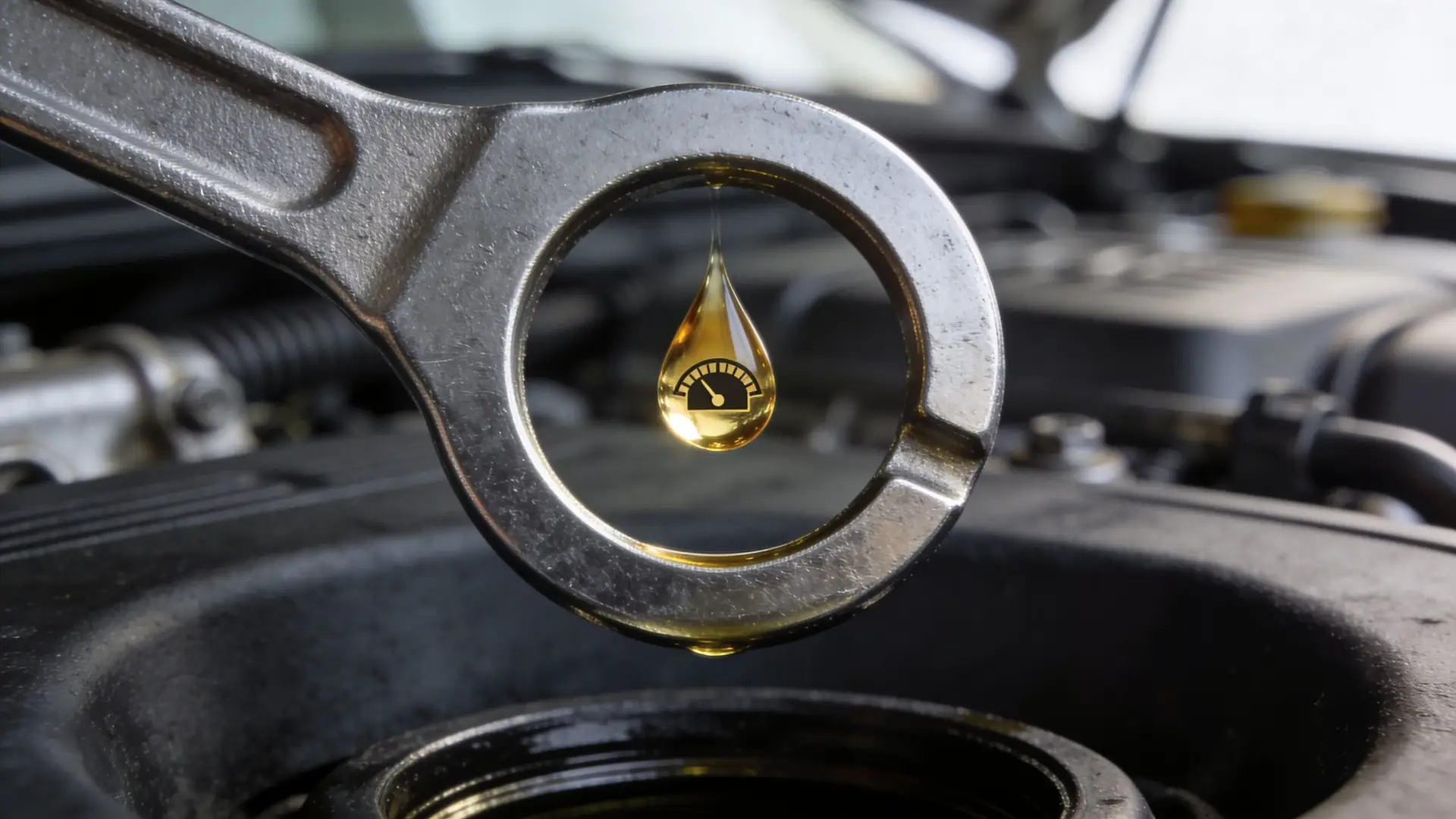
Where MPG gains show up most
In the shop, the clearest fuel-efficiency improvement usually shows up in vehicles with one of these patterns:
- Short-trip driving: Frequent cold starts and short runs leave more moisture and fuel dilution in the oil.
- Heavy city use: Stoplights, idle time, and low-speed traffic make the engine work without giving it much steady-state relief.
- Higher-mileage engines: Engines with more wear often respond better to the correct fresh oil and a quality filter.
- Summer driving in North Texas: High ambient temperatures make oil breakdown and viscosity loss more of a factor.
An oil change will not fix poor tire pressure, a dirty air filter, or an aggressive right foot. But it does remove one common source of wasted effort inside the engine. That matters if you are trying to control ownership costs and protect the value of the vehicle, not just get through the next few weeks.
At Express Lube & Car Care, this is also where the service choice matters. Using the correct viscosity and stepping up to full synthetic often makes more sense for Richland Hills drivers who deal with heat, short trips, and heavy city traffic. If you want to stack better oil service with other habits that cut fuel use, our guide on how to improve car fuel efficiency covers the practical basics that make a difference.
3. Enhanced Safety and Reliability
An oil change is also an inspection opportunity. That matters because a lot of unsafe breakdowns don’t begin with a dramatic warning. They start with a small fluid leak, a belt starting to crack, worn brake material, or a hose softening in the heat.
At Express Lube & Car Care, the true value isn’t just replacing oil and a filter. It’s putting trained eyes on the vehicle regularly. Catching something early in the bay is a lot better than finding out on the shoulder of I-820.
Why clean oil matters for reliability
Oil does more than lubricate. It also helps control heat and suspend contaminants so they don’t build up where they shouldn’t. When oil is old, thick with contaminants, or low, the engine loses a layer of protection that keeps it running predictably.
That’s especially important if you rely on your vehicle every day for work, school, errands, or deliveries. The most expensive breakdown is usually the one that leaves you stranded at the worst possible time.
A good oil service visit should also support a broader maintenance rhythm. This car maintenance schedule by mileage helps drivers line up oil service with the other checks that keep a vehicle safe and dependable.
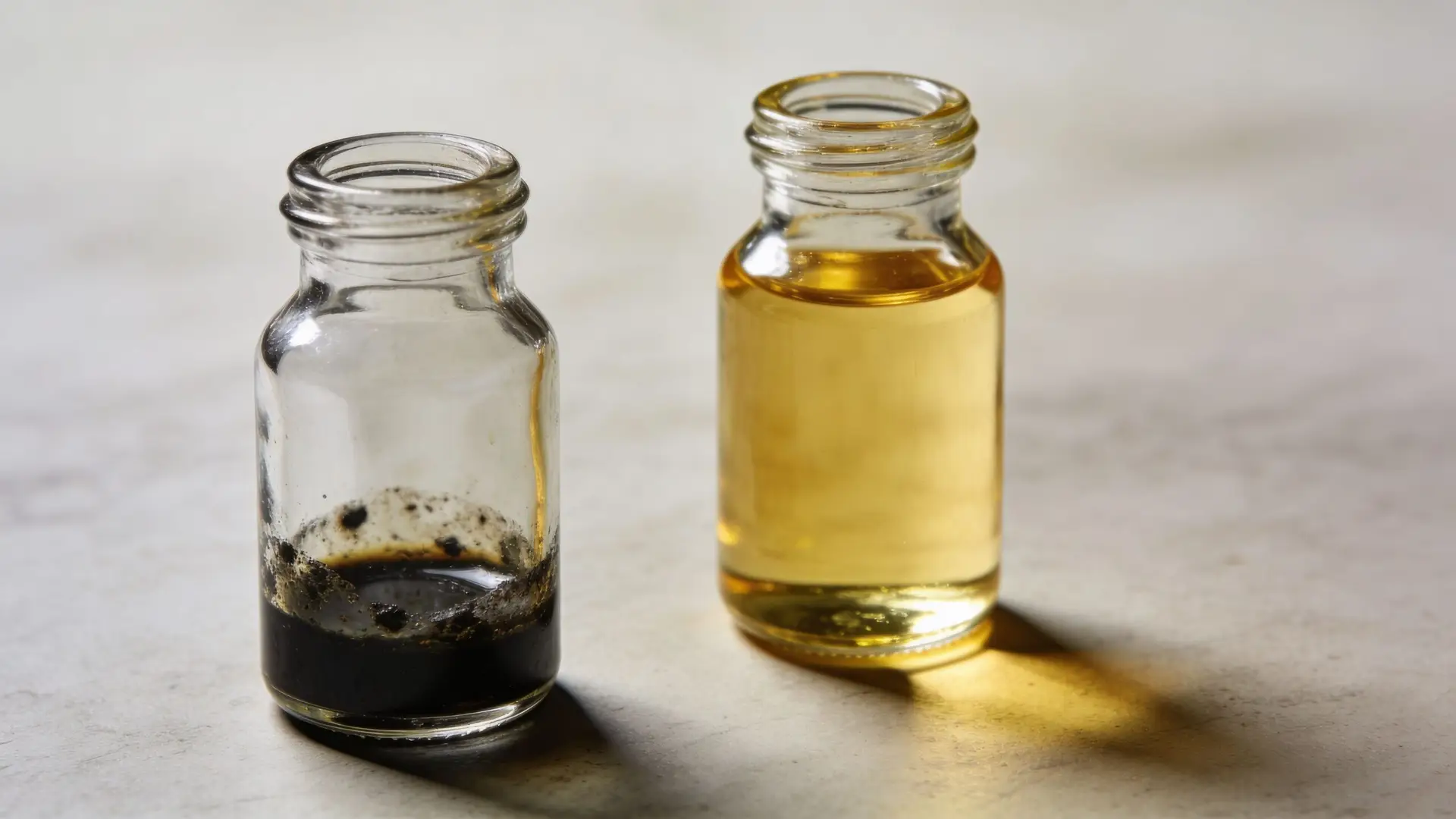
What technicians often catch during oil service
- Low or leaking fluids: Coolant, brake fluid, and power steering issues often show up during routine service.
- Belt and hose wear: Heat can harden or crack rubber parts long before they fail completely.
- Early tire and brake concerns: A quick inspection can reveal uneven wear or thinning pads.
If your engine ever loses oil pressure because service was ignored too long, the result can be severe engine damage and sudden loss of power. That’s not a maintenance inconvenience. It’s a safety issue.
4. Lower Long-Term Repair Costs
A lot of expensive engine work starts with a small decision. A driver in Richland Hills stretches an oil change through another month of Texas heat, stop-and-go traffic, short trips, and long idles, and the engine keeps running just well enough to make the delay feel harmless.
That is how repair bills sneak up on people.
Fresh oil is far cheaper than internal engine work, but the savings go beyond the price of the service itself. Clean oil helps control heat, reduce friction, and carry contaminants to the filter before they turn into sludge and wear. Once that protection breaks down, I start seeing problems that cost real money to correct, including timing component wear, oil consumption, valve train noise, and in severe cases, damage to bearings, camshafts, or other hard parts deep inside the engine.
There is also a practical middle ground that saves money better than either extreme.
Changing oil too late raises the odds of wear and overheating. Changing it far earlier than the vehicle needs usually just spends money faster. The better approach is to use the oil grade your engine calls for, follow the interval that fits your driving habits, and shorten that interval only when conditions justify it, especially for heavy city driving, high mileage engines, extreme heat, towing, or frequent short trips around Richland Hills.
Where the money usually goes
The cost of neglected oil service rarely shows up as one simple charge. It tends to stack up across several repairs and side effects:
- Sludge-related cleanup or repairs: Old oil can leave deposits that restrict flow and starve parts that need lubrication.
- Leak-related repairs: Worn seals and gaskets often become more obvious when oil breaks down and heat stays high.
- Premature component wear: Timing parts, variable valve timing components, and turbochargers all depend on clean oil.
- Towing and downtime: A breakdown costs more when it strands you on the road or makes you miss work.
That is why routine oil service is an investment, not just a maintenance line item. It protects the parts you cannot afford to replace and helps you avoid the kind of surprise repair that throws off a family budget or takes a work vehicle out of service.
At our shop, an oil change is also a chance to catch smaller problems while they are still manageable. That is often where the true savings are. A seep, a loose filter housing, low fluid, or early belt wear is usually much cheaper to handle now than after it turns into an overheated engine or a no-start problem later.
The lower-cost choice is usually the scheduled oil change, not the repair that follows a skipped one.
For drivers who want to keep a vehicle for years, and for anyone thinking about trade-in value down the road, that discipline pays off.
5. Warranty Coverage Compliance
This one matters most when you hope you’ll never need it. If your vehicle is under warranty and the engine develops a problem, your maintenance history becomes important fast. Manufacturers want proof that the engine received the correct oil, at the proper interval, with a quality filter.
That means date, mileage, and oil type should be on the receipt. If you change your own oil, keep receipts for the oil and filter and record the mileage. If a shop does the work, keep the paperwork or digital service history.
Documentation protects you
A clean service record does two things. First, it shows that you maintained the vehicle responsibly. Second, it cuts down on arguments if a powertrain claim comes up.
Professional service can make this easier because the records are already organized and searchable. That’s one reason many drivers prefer a shop visit even when they could technically do the job at home.
Here’s the practical trade-off:
- DIY can work: But only if you document everything carefully and use the exact required products.
- Professional service is simpler: The paper trail is built in, and the oil spec is less likely to be guessed at.
- No record is a problem: If there’s no proof, you’ve got less influence in a warranty discussion.
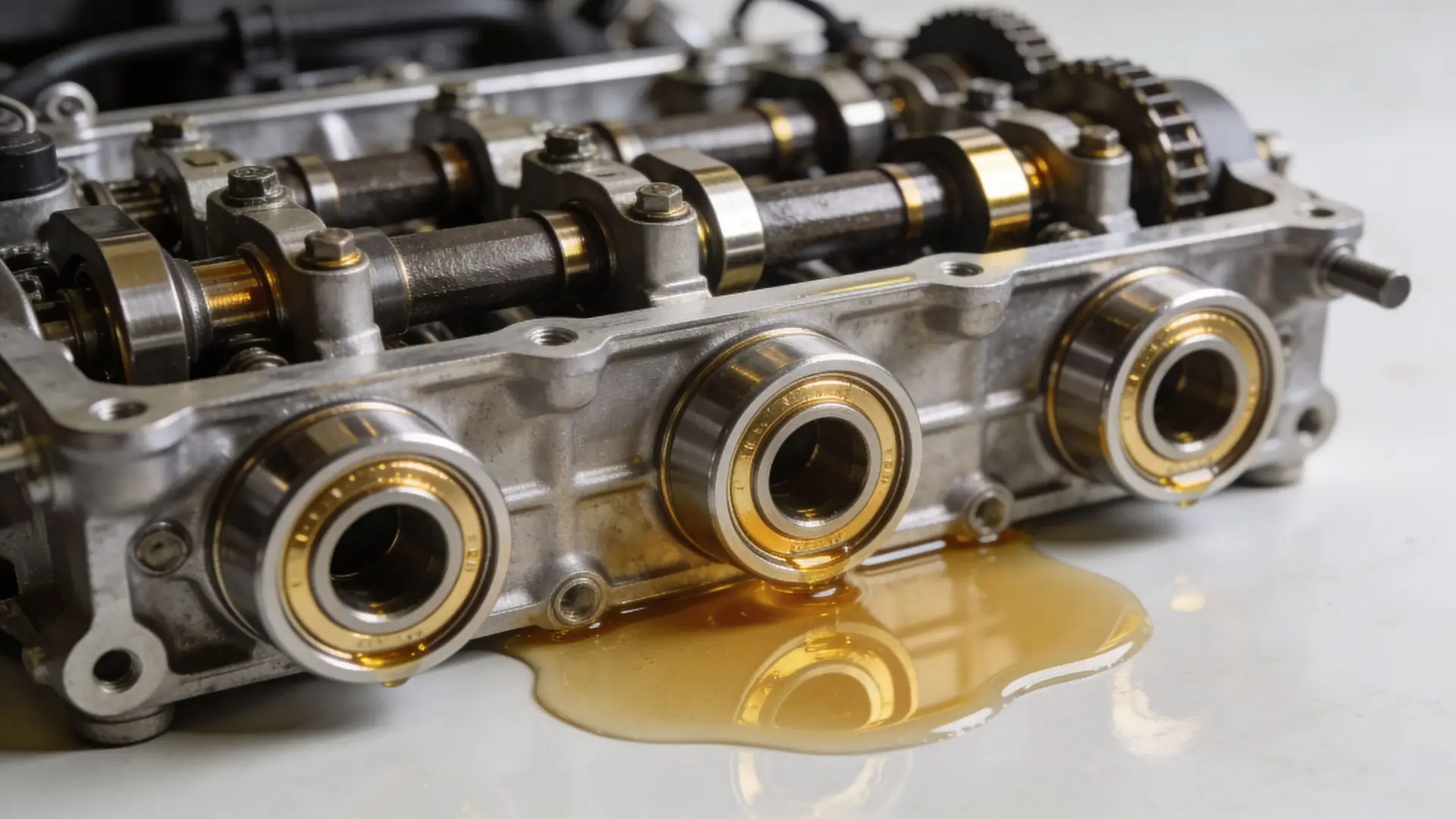
I’ve seen drivers take good care of a vehicle but fail to keep records. That’s frustrating because proper maintenance only helps you in a warranty claim if you can show it happened.
6. Reduced Environmental Impact
A badly timed oil change creates waste in two directions. Wait too long and the engine runs hotter, dirtier, and less efficiently. Change it far too early and you throw away usable oil, plus the filter and packaging that come with it.
For Richland Hills drivers, that matters more than it sounds. Texas heat, short trips, stop-and-go traffic, and long idle times are hard on oil. I tell customers the goal is simple. Use the right oil, change it at the right interval, and make sure the used oil is handled properly.
The environmental side of getting the interval right
Clean oil helps control friction and heat. That supports cleaner engine operation, especially in summer traffic when engines spend more time under load and less time at steady highway speed. An engine that is fighting sludge or worn-out oil usually burns fuel less efficiently, and that adds to the vehicle's overall footprint.
There is a trade-off here. Some drivers still stick to an old 3,000-mile habit even when the vehicle and oil are designed for longer intervals. Others stretch service too far and end up with varnish, sludge, or oil consumption problems. Neither approach is responsible maintenance. The right interval is the one your engine calls for, based on the manufacturer spec, your driving pattern, and the oil type in the crankcase.
Professional service helps on the disposal side too. Used motor oil and filters need to go through a proper collection and recycling process. At a shop, that system is already in place. That reduces the chance of spills, bad storage, or improper disposal at home.
A few warning signs should never be ignored.
- Burning oil smell: Oil may be leaking onto hot engine parts.
- Blue exhaust smoke: The engine may be burning oil internally.
- Black exhaust smoke: The fuel system or air-fuel mixture may need diagnosis.
- Heavy sludge on the dipstick or fill cap: The oil may be breaking down or service may be overdue.
At Express Lube & Car Care, we help drivers in Richland Hills match the oil and interval to how the vehicle is used. That protects the engine, cuts avoidable waste, and keeps routine maintenance working like an investment instead of a guess.
7. Higher Resale or Trade-In Value
When it’s time to sell your car, a stack of service records makes your life easier. Buyers want proof that the engine wasn’t neglected. Dealers want reassurance before they appraise a trade. Oil change history is one of the easiest records to keep, and one of the most persuasive.
Vehicles with documented oil changes sell for 5% to 10% more, with a typical premium of $1,000 to $3,000 on average used cars, according to this discussion of oil change history and resale value. That’s real money tied to a simple maintenance habit.
Records build buyer confidence
Most shoppers can’t inspect the inside of an engine. They judge care by what they can verify. Clean records, consistent mileage intervals, and service from a reputable shop all make the vehicle easier to trust.
Digital records help too. The same source notes that digital maintenance logs integrated with receipts have increased buyer trust in major markets, which makes sense. Organized records remove doubt.
Here’s what helps at resale time:
- Keep every receipt: Paper or digital, both are useful.
- Show consistency: A long gap in service raises questions.
- Use reputable shops: Recognizable records carry more weight with buyers and dealers.
A buyer may not pay extra for shiny tires or a fresh wash. They often will pay extra for proof the engine was maintained.
Among all the benefits of oil change, this is the one many drivers only appreciate at the end. By then, the people with records usually negotiate from a stronger position.
8. Optimized Performance and a Smoother Ride
A vehicle with fresh oil often feels smoother because the engine isn’t fighting degraded lubrication. The improvement can show up as quieter startup, steadier idle, cleaner response when you accelerate, and less harshness under load.
That doesn’t mean every oil change transforms the car overnight. If the engine was already maintained well, the difference may be subtle. But on higher-mileage vehicles, work trucks, or cars that spend a lot of time in traffic, drivers often feel the engine settle down after service.
Why local driving changes the feel of the engine
Short urban commutes can cause oil contamination to happen 2 to 3 times faster than highway driving, according to this discussion of frequent oil changes under severe driving conditions. For Richland Hills drivers who do a lot of quick trips, school runs, idling, or towing, that helps explain why the engine can start feeling rough before the mileage on the sticker seems very high.
The same source notes that in extreme heat, oil viscosity can drop faster, which is a real concern in Texas summers. That’s why “I hardly drive” doesn’t always mean “my oil is fine.”
What drivers notice after fresh oil
- Quieter operation: Valvetrain noise and general engine harshness often ease up.
- Better throttle response: The engine may feel less sluggish merging onto the highway.
- More consistent performance: Hot-weather driving becomes less taxing when lubrication is fresh.
If a vehicle feels lazy, noisy, or rough and it’s overdue for service, an oil change is one of the first things worth correcting before chasing bigger theories. It’s not magic. It’s maintenance done on time.
8-Point Oil Change Benefits Comparison
| Item | 🔄 Implementation Complexity | ⚡ Resource Requirements | 📊 Expected Outcomes | 💡 Ideal Use Cases | ⭐ Key Advantages |
|---|---|---|---|---|---|
| Extended Engine Life and Longevity | Low, routine scheduled service | Moderate, regular oil & quality filter | Significant wear reduction; can add 50,000+ miles with consistency | Long-term ownership, high-mileage, towing vehicles | Prevents premature engine failure; cost-effective long-term protection |
| Improved Fuel Efficiency and MPG | Low, simple oil replacement | Low, quality oil (synthetic optional) | Small MPG gains (~1–2%); measurable fuel cost savings | Daily commuters, small fleets, older vehicles | Lower fuel costs and reduced emissions |
| Enhanced Safety & Reliability | Moderate, includes multi-point inspection | Moderate, technician time and inspection tools | Fewer roadside failures; earlier fault detection | Family cars, pre-trip checks, vehicles with aging systems | Reduces risk of breakdowns and safety-related failures |
| Lower Long-Term Repair Costs | Low, requires consistent intervals | Low-to-Moderate, ongoing service fees, good filters | Avoids major repairs (engine rebuilds), lowers total cost of ownership | Budget-conscious owners, fleet management | High ROI vs potential expensive repairs; predictable maintenance spend |
| Warranty Coverage Compliance | Low, requires documentation adherence | Low, specified oil/parts and record-keeping | Maintains warranty eligibility; prevents claim denials | New vehicle owners, leased vehicles | Protects against denied manufacturer warranty claims |
| Reduced Environmental Impact | Low, routine plus proper disposal | Low, responsible oil recycling, optional synthetic | Reduced emissions and fewer emissions-system failures | Eco-conscious drivers, emissions-test regions | Helps pass inspections; minimizes environmental contamination |
| Higher Resale or Trade-In Value | Low, consistent record-keeping needed | Low, keep receipts and digital records | Potential 5–10% higher resale/trade-in value | Owners planning sale or trade-in | Verifiable service history that increases buyer confidence |
| Optimized Performance and a Smoother Ride | Low, standard oil change with correct viscosity | Low-to-Moderate, correct oil grade, possible synthetic | Quieter idle, crisper throttle, improved responsiveness | Performance cars, older/high-mileage vehicles | Immediate perceptible improvement in driveability and NVH |
Keep Your Engine Healthy with Express Lube & Car Care
A regular oil change does more than satisfy a maintenance reminder. It protects engine life, supports fuel economy, reduces the chance of expensive repairs, helps preserve warranty coverage, and makes the car easier to sell later. For most drivers, it’s the highest-value routine service on the vehicle because so many other outcomes connect back to lubrication, heat control, and cleanliness inside the engine.
That’s especially true in Richland Hills. Texas heat, short trips, traffic, towing, and daily commuting are hard on oil. If your driving falls into any of those patterns, waiting too long between services is a bad gamble. On the other hand, changing oil far too early just because of outdated habits wastes money. The right answer is to follow your owner’s manual, use the proper oil specification, and adjust for real-world conditions when needed.
The warning signs of overdue oil service are usually there if you pay attention. Watch for the dashboard warning light, dark or dirty oil on the dipstick, louder engine noise, visible exhaust smoke, or mileage that’s past the recommended interval. None of those should be ignored. Oil-related damage often starts subtly, and once the symptoms become obvious, the repair usually isn’t cheap.
If you’re unsure about timing, a practical baseline is simple. Conventional oil generally needs shorter intervals, while synthetic blend and full synthetic oils usually support longer ones, depending on the vehicle and how it’s driven. In local conditions, frequent short trips, heavy loads, and hot weather can justify a shorter service interval than a highway-driven vehicle would need. That’s why a quick conversation with a trained technician matters.
Express Lube & Car Care gives local drivers the kind of service that helps. ASE-certified technicians, walk-in convenience, transparent pricing, and a full-service approach make it easier to stay on schedule without turning maintenance into a half-day project. If you’re trying to keep a family vehicle dependable, reduce fleet downtime, or avoid surprise repair bills, that combination matters.
And the record-keeping matters too. A documented service history protects resale value, helps with warranty support, and gives you a clear timeline for future maintenance. That’s one more reason routine oil changes pay off long after you leave the bay.
For shops that want to strengthen trust and visibility online, Auto Repair Reputation Management covers how reputation systems support long-term growth.
If your car is due, don’t put it off. Visit Express Lube & Car Care in Richland Hills for a fast, professional oil change from ASE-certified technicians who know what local driving does to engines. Walk in anytime, ask about monthly specials and community discounts, and get the kind of honest service that helps your vehicle last.