

Checking your transmission fluid is a quick five-minute task. Just park on a level surface, let the engine warm up, and find the dipstick. Pull it out, wipe it, put it all the way back in, and pull it out again.
The fluid level should be between the "Full" and "Add" marks. Healthy fluid is usually bright red or pink. If it looks or smells burnt, you’ve got a problem.
Why Your Transmission Fluid Matters More Than You Think
We see it all the time: drivers come in with a transmission on its last legs, all because the fluid was ignored. Your transmission fluid isn't just another liquid in your car—it’s what cools, lubricates, and provides the hydraulic pressure to shift gears.
Letting it get old and dirty is a recipe for some of the most expensive repairs you can face.
The High Cost of Neglect
Here’s a hard truth: it’s always cheaper to maintain your car than to fix it. This is especially true for transmissions.
Neglecting your fluid can lead to repair bills that are genuinely shocking. Across the U.S., transmission failures make up about 20% of all major vehicle repairs, with the average cost landing somewhere between $3,000 and $5,000. That’s a massive expense that a simple fluid check can often prevent.
This fluid does a few critical jobs:
- Lubrication: It keeps all the moving parts and gears from grinding themselves into metal shavings.
- Cooling: It pulls heat away from the transmission, preventing it from overheating under load.
- Hydraulic Power: It creates the pressure your automatic transmission needs to shift smoothly.
- Cleaning: It contains detergents that suspend dirt and metal particles, keeping the system clean.
A healthy transmission is completely dependent on clean, effective fluid. Once that fluid breaks down, it can't protect the complex internal parts anymore. That’s when you start noticing jerky shifting, overheating, and eventually, total failure.
When to Get a Professional Eye
While checking the fluid yourself is a great habit, sometimes you just need an expert opinion. If you can’t find the dipstick, aren't sure what you're looking at, or notice the fluid is dark brown and smells burnt, it’s time to let a professional take a look.
For drivers here in Richland Hills, our ASE-certified technicians at Express Lube & Car Care can give you peace of mind. We’ll perform a quick, accurate check and let you know exactly what your transmission needs to stay reliable.
Keeping all your vehicle's fluids in good shape is the secret to a long-lasting car. To learn more, check out our overview of why a fluid change in your car is so important.
How to Prep for an Accurate Fluid Check
Before you even pop the hood, the most important work begins. Getting a trustworthy reading isn't just about pulling a dipstick—it's about setting the right conditions first.
In my experience, this is the #1 spot where DIY checks go wrong, leading people to add too much or not enough fluid.
Find Level Ground and Warm It Up
First things first, park your car on a perfectly level surface. Even a slightly sloped driveway can cause the fluid in the pan to tilt, giving you a false reading and defeating the whole purpose of the check.
Once you’re on flat ground, start the car and let it run. Most vehicles need the engine to be at full operating temperature for an accurate reading because automatic transmission fluid (ATF) expands quite a bit as it heats up.
Pro Tip: Let the car idle for at least five to ten minutes. You aren't just warming up the engine; you're letting the transmission fluid get hot and circulate, which is essential for an accurate measurement. Checking it cold will almost always make the level look low.
Cycle Through the Gears
With your foot held firmly on the brake, slowly shift the gear selector through every single gear—Park, Reverse, Neutral, Drive, and any lower gears you have. Linger for a few seconds in each position before shifting back into Park (some manuals specify Neutral, so double-check yours).
Don't skip this. This step pushes fluid through the torque converter and valve body, ensuring the level you see on the dipstick represents the total amount of fluid in the system.
Keep It Clean
Finally, make sure your workspace is clean. Any dirt or grit that falls into the open dipstick tube can get inside your transmission and cause serious damage down the road.
A good habit of maintaining a clean engine bay not only prevents contamination but also makes it much easier to spot the dipstick and check for any potential leaks. Now you’re ready to get a reliable reading.
Alright, with your car prepped and ready, it's time to get your hands dirty. This is where you’ll get a direct look at the health of your transmission. For most cars with a traditional automatic, this process is surprisingly simple and tells you a whole lot.
First things first: you have to find the transmission dipstick. Pop the hood and have a look around the engine bay. The engine oil dipstick is usually yellow or black, but the transmission dipstick almost always has a brightly colored handle—think red, orange, or sometimes even pink. You might see "TRANS" stamped on it or a little gear symbol to guide you.
Once you’ve located it, pull the dipstick all the way out. You'll want a clean, lint-free rag or a paper towel handy. Wipe the entire stick clean, from the handle down to the tip. This first pull is just to clear off any fluid that splashed around while the engine was running; it won’t give you an accurate reading.
Performing the Double-Dip for an Accurate Reading
Now for the real measurement—what we call the "double-dip." Slowly slide the clean dipstick back into its tube until the handle sits perfectly flush, just like it was before.
Then, pull it straight out again. This is your moment of truth. Hold the dipstick level so the fluid doesn't run and skew the reading. You should now see a very clear line indicating exactly where your fluid level is.
These three prep steps are the key to getting it right before you ever touch the dipstick.
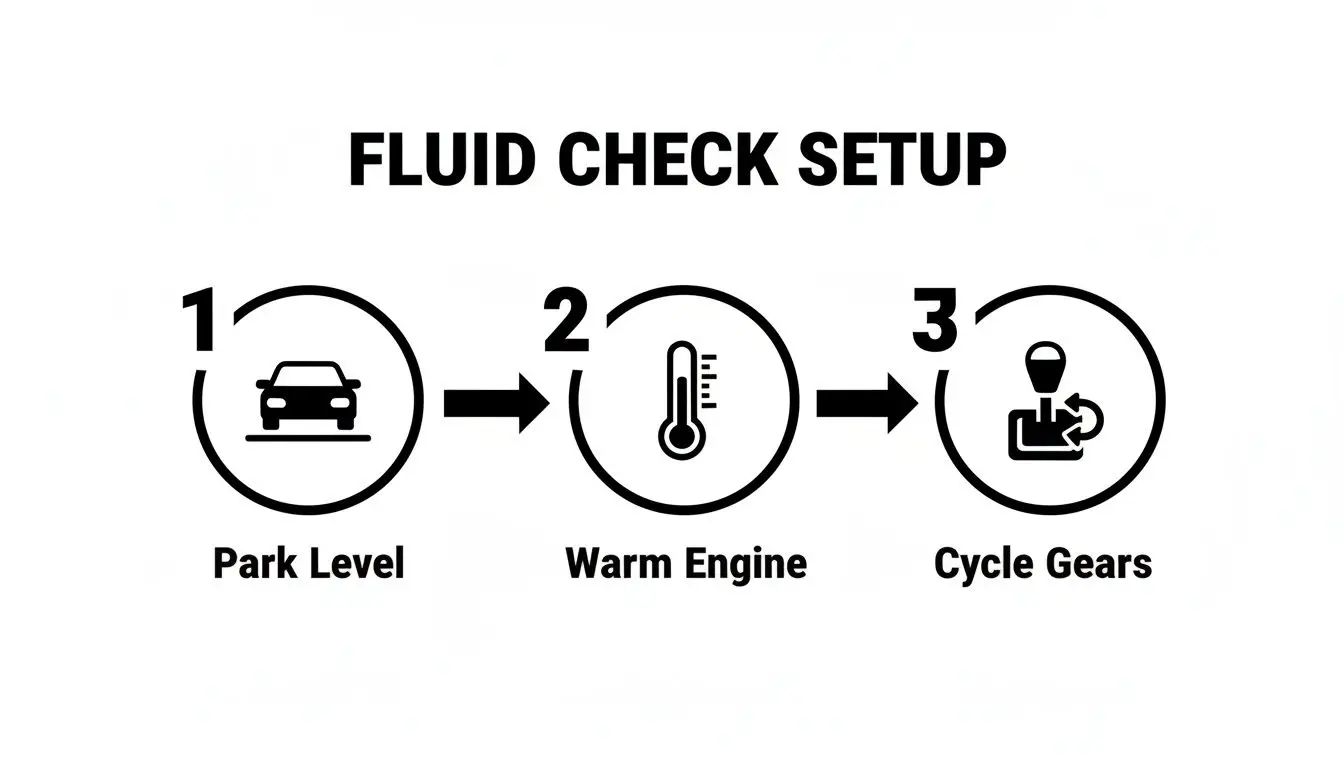
Getting these three things right—parking on a level surface, getting the engine warm, and running through the gears—is absolutely non-negotiable for an accurate check.
Interpreting the Dipstick Markings
Look closely at the end of the dipstick. You'll see markings that show the proper fluid range. Most have two different sections: one for "COLD" and one for "HOT."
- Cold Range: This is really just for a quick ballpark check when the engine isn’t fully up to temperature. Don't rely on it for an accurate measurement.
- Hot Range: This is the one you need to pay attention to. Since you properly warmed up the car, the fluid line should be sitting squarely in this range, ideally near the "FULL HOT" mark.
If the level is hanging out below the "ADD" or "LOW" line in the hot range, your transmission is thirsty and needs a top-off. We'll get into how to do that (and how to avoid common mistakes) in a bit.
The automatic transmission fluid (ATF) market is huge, making up about 48% of the global transmission fluids market. But here's a sobering fact: in North America, a whopping 30% of ATF-related failures come from improper fluid levels. While checking for clean, pink/red fluid on a warm engine is the right way, nearly 60% of drivers skip these checks entirely, risking overheating that can warp delicate clutches. Taking a few minutes for a proactive check can slash your risk of needing major repairs by up to 40%. You can find more details on this topic in the full transmission fluid market report on FutureMarketInsights.com.
This quick 10-minute check is a small investment that pays off big time in keeping your car on the road.
What If There Is No Dipstick?
Popped the hood and can't find a dipstick anywhere? Don't panic. A lot of newer cars, trucks, and SUVs are built with sealed transmissions. This is an intentional design choice by manufacturers to prevent contamination and ensure the specialized, long-life fluid inside isn't accidentally topped off with the wrong type.
A sealed transmission does not mean it has "lifetime" fluid that never needs attention. It simply means checking and filling it requires specialized tools and procedures that are best left to professionals.
On these vehicles, a technician at a shop like Express Lube & Car Care will need to put your car on a lift to access a specific inspection or fill plug underneath. They use a special pump to check the level and add fluid if necessary. Trying this yourself without the right equipment can easily lead to overfilling or underfilling—both of which can cause catastrophic damage. If you have a sealed transmission, your best and safest bet is to let a trusted mechanic handle it.
Decoding What Your Transmission Fluid Is Telling You
That fluid on the dipstick is more than just a level check—it’s a window into the health of your transmission. The color and smell tell you a lot about what’s happening inside, so think of this as a quick health screening for one of your car's most vital components.
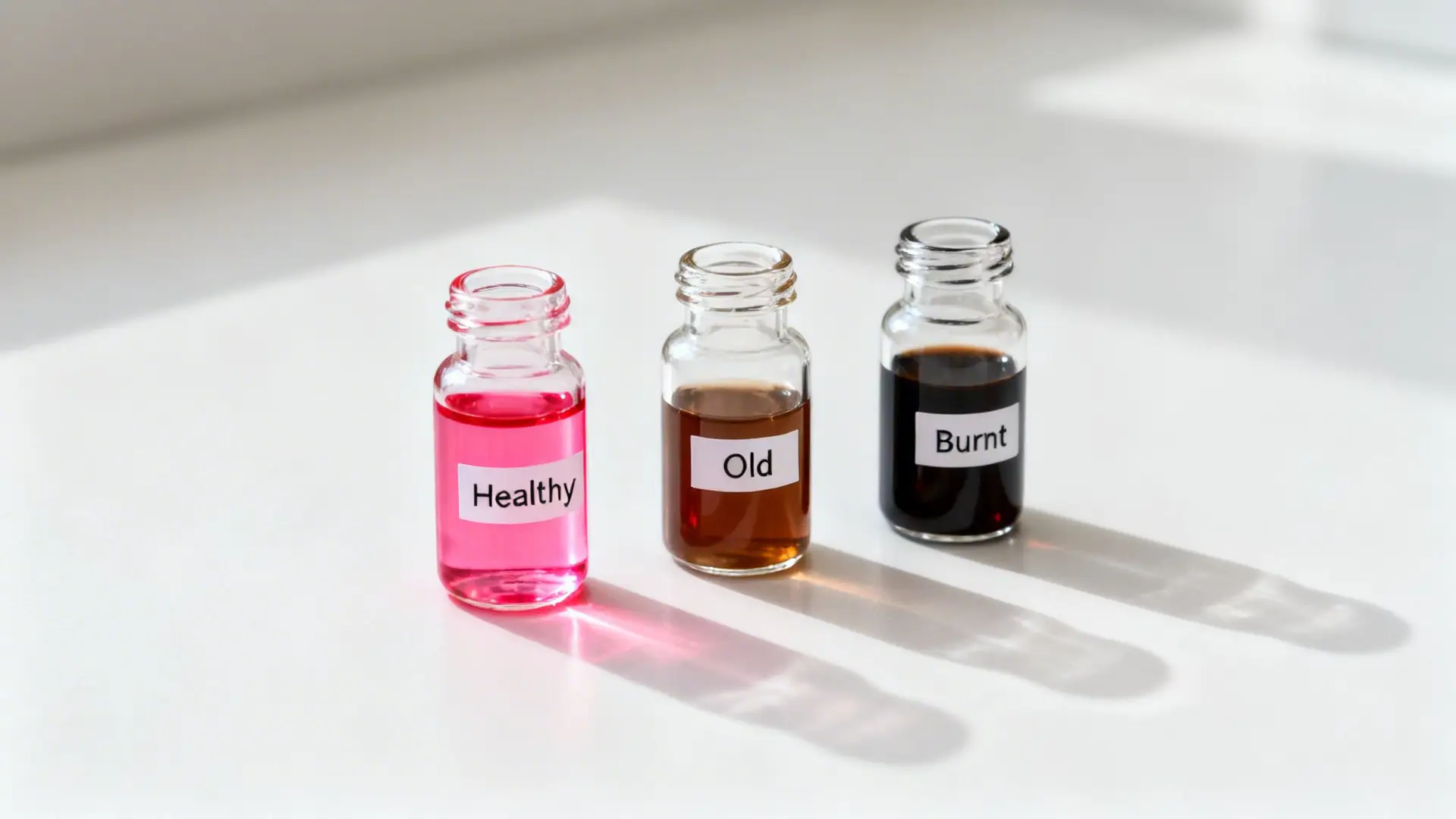
Fresh, healthy automatic transmission fluid (ATF) is almost always a bright, translucent pink or red. It should look clean and have a mildly sweet, oily scent. If this is what you find and the level is correct, your transmission is in great shape.
Reading the Warning Signs
Over time, that fluid breaks down. The first clue is a color change. Seeing a light brownish-red is pretty normal—it's just a sign of aging. But if the fluid has turned a dark, murky brown or black, that's a major red flag.
Dark fluid can no longer lubricate and cool properly. It’s a sign the fluid has oxidized from heat and is now full of contaminants and tiny bits of clutch material.
The smell is your next big clue.
If you get a whiff of burnt toast from the dipstick, that’s a serious warning. It’s a clear sign of excessive heat, which is the number one killer of automatic transmissions.
Driving with burnt, overheated fluid is a fast way to destroy your transmission, leading to one of the most expensive repairs you can face. This is something that needs immediate attention.
Interpreting Your Transmission Fluid's Condition
Here’s a quick guide to help you figure out what the fluid is telling you and what to do about it. Knowing the difference between fluid that’s just getting old and fluid that’s critically damaged can save you a ton of money and headaches.
| Interpreting Your Transmission Fluid's Condition |
| :— | :— | :— |
| Fluid Color & Smell | What It Means | Recommended Action |
| Bright Red/Pink & Sweet Smelling | Your fluid is healthy and doing its job. | No action needed. Just ensure the level is correct. |
| Light Brown & Slightly Murky | The fluid is aging and starting to collect contaminants. It's time to plan. | Schedule a transmission fluid service soon. This is normal wear and tear. |
| Dark Brown/Black & Burnt Smelling | Severe overheating and/or internal wear has occurred. The fluid has failed. | Stop driving if possible and see a professional immediately. A diagnostic is needed to find the source of the heat. |
| Pink & Foamy or Bubbly | The transmission is likely overfilled, or the wrong type of fluid was used. | Have a technician correct the fluid level or diagnose the issue. Foamed fluid can't lubricate properly. |
Catching these signs early is everything. If the fluid is healthy but just a bit low, a simple top-off is fine.
But if you see that dark, burnt-smelling fluid, adding more won't fix the real problem. That’s when you need a professional diagnosis. Bringing your car to a trusted shop like Express Lube & Car Care is the smartest move to find out what’s really going on.
Common Mistakes and Pro Tips for a Longer Transmission Life
Knowing how to check your transmission fluid is a great first step, but avoiding a few common mistakes is what really keeps your car on the road and out of the shop. We see well-meaning drivers make small errors all the time that can lead to big, expensive problems.
Here’s some insider advice to sidestep those frequent missteps and keep your transmission running smoothly for years.
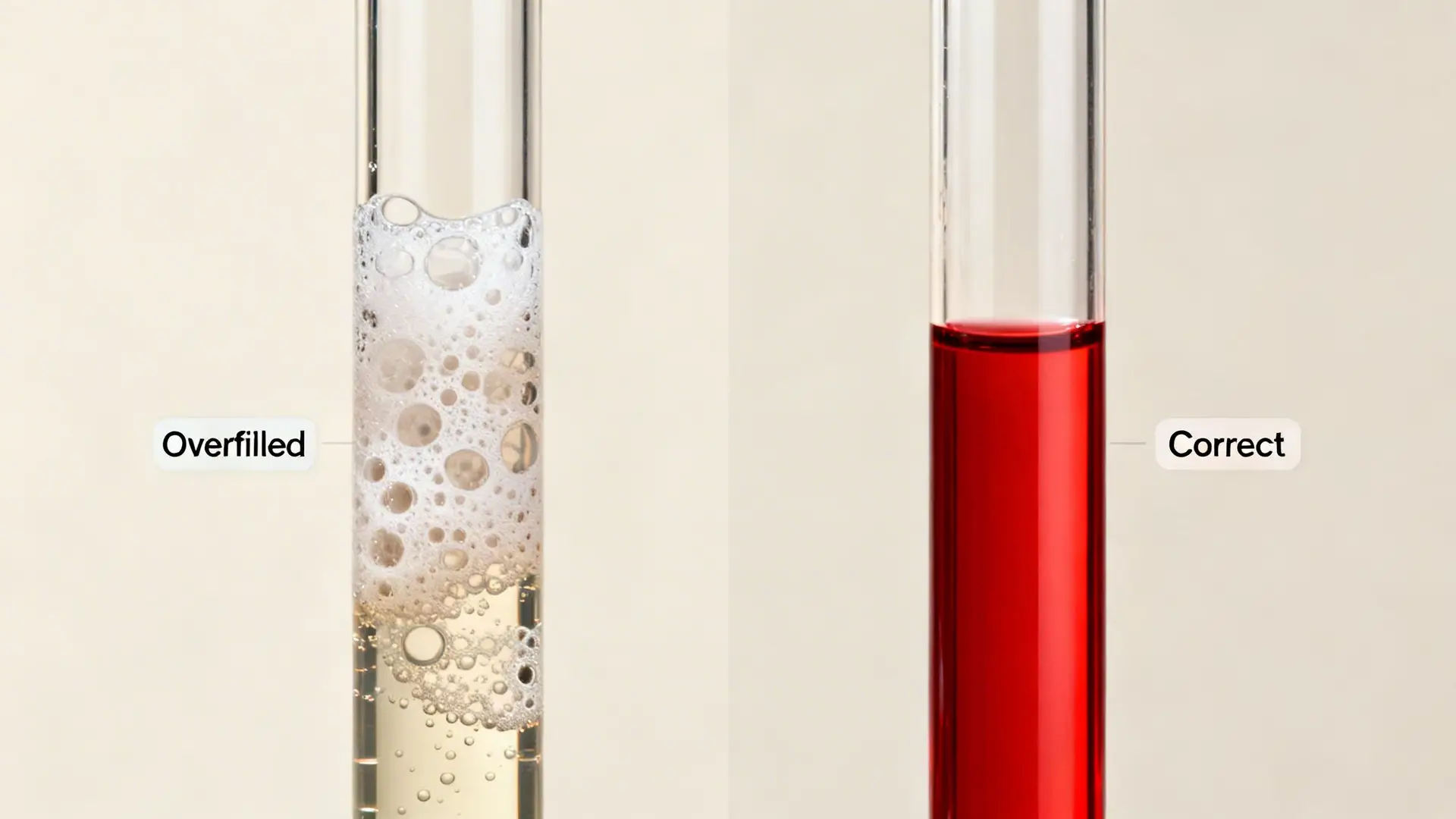
One of the most common DIY mistakes is overfilling the transmission. It seems harmless to add a little extra for good measure, but too much fluid gets churned into a useless foam by the transmission’s gears. That aerated fluid can't lubricate or cool properly, which quickly leads to overheating, weird shifting, and serious damage.
The Right Fluid Is Not Optional
Another critical mistake is grabbing the wrong type of automatic transmission fluid (ATF). Your owner’s manual will specify the exact fluid your transmission needs, whether it's ATF+4, Mercon V, or Dexron VI. These aren't just recommendations—they're requirements.
Using a generic, "one-size-fits-all" fluid is just asking for trouble. Every ATF has a unique blend of additives and friction modifiers. The wrong one can cause clutch packs to slip, seals to degrade, and eventually, total transmission failure.
Pro Tip: Before you head to the auto parts store, snap a quick photo of the fluid specs in your owner's manual with your phone. It’s the easiest way to make sure you grab the right bottle off the shelf, every single time.
Insider Advice from ASE-Certified Techs
Want to get the most life out of your transmission? It’s easier than you think. Adopting a few simple habits can help you avoid some of the most expensive repairs we see.
- Check It Regularly: Get into the habit of checking your transmission fluid every other oil change. It's the best way to catch a small issue before it becomes a major failure.
- Spot Leaks Early: Always take a quick glance at your driveway or parking spot. A reddish or brown puddle is a tell-tale sign of a leak that needs immediate attention.
- Know When to Flush: A fluid flush is an excellent maintenance service, but it's not the right call for every vehicle. To learn more about what the service involves, check out our guide on what a transmission flush does.
Staying on top of your fluid doesn't just prevent headaches; it saves you real money. Industry data shows that problems from low or incorrect fluid account for nearly 25% of all transmission repair jobs. With the average repair cost in Texas climbing to $2,800, a little prevention goes a long way.
Following the right procedures and getting regular checks can lower your risk of transmission failure by an estimated 55%.
Your Top Questions About Transmission Fluid Answered
Even after you know how to check your transmission fluid, a few questions always pop up. We hear them from drivers all the time in our shop, so we’ve put together some straightforward answers to the most common ones.
How Often Should I Really Check My Transmission Fluid?
A good rule of thumb is to check the fluid at every other oil change, which works out to about every 6,000 to 10,000 miles.
But that schedule isn't set in stone. If your driving habits are a bit more demanding—like you frequently tow a trailer, sit in heavy traffic, or drive an older car—it’s smart to check it with every oil change. And if you ever feel jerky shifting or spot red fluid on your driveway, don’t wait. Check it right away.
My Car Does Not Have a Transmission Dipstick. What Do I Do?
If you can't find a dipstick, you’re not going crazy. You likely have a “sealed” transmission, which is becoming the new standard on modern vehicles. Manufacturers seal these systems to prevent the wrong fluid from being added or contaminants getting in.
Checking the fluid on these cars requires a vehicle lift and special tools to access a small inspection plug. Honestly, it's a job best left to a professional. Our ASE-certified technicians have the right equipment to handle sealed transmissions the correct way, ensuring an accurate reading without any guesswork.
Can I Just Add Any Transmission Fluid If It Is Low?
Absolutely not. This is probably the most critical thing to remember. Transmissions are extremely picky, and your owner’s manual will list the exact fluid your car needs (like Dexron VI, Mercon V, or a specific CVT fluid).
Using the wrong fluid is a recipe for disaster. It can quickly lead to everything from clutch slippage to complete transmission failure. If you have any doubt, let a pro top it off to guarantee you're using the right stuff.
Is a Transmission Fluid Flush the Same as a Fluid Change?
No, they are two totally different services. A simple drain-and-fill only swaps out about half of the old fluid, leaving a lot of the worn-out stuff behind in the torque converter and cooler lines.
A "flush," on the other hand, uses special equipment to push out nearly 100% of the old fluid and any contaminants. While a flush is more thorough, it isn't always the best move, especially for an older, high-mileage vehicle that hasn't had regular service. Our techs can take a look and advise you on which transmission service is right for your vehicle.
Beyond meticulous fluid maintenance, proactive care of your vehicle’s electrical system is equally crucial for its overall health and longevity. Consider using an automatic 12v battery charger with engine start and alternator check.
Not sure what your transmission needs? Don't guess. The friendly ASE-certified technicians at Express Lube & Car Care are here to help. Drive in today for a quick check and expert advice you can trust. Visit us at https://www.expressluberichlandhills.com.