

Brake-fluid service requirements vary by vehicle, manufacturer, braking-system design, fluid specification, and maintenance schedule. There is no single mileage or time interval that applies to every vehicle.
Brake fluid is part of the hydraulic system that transfers force from the brake pedal to braking components at the wheels. Its condition matters, but fluid appearance or one symptom alone should not be used to decide that a vehicle automatically needs a flush.
The appropriate service should be based on manufacturer requirements, brake-system condition, maintenance history, and inspection or testing when needed.
Table of Contents
- What Does Brake Fluid Do?
- Why Does Brake Fluid Condition Matter?
- When Does Brake Fluid Need Service?
- What Signs Mean the Brake System Needs Inspection?
- Does Dark Brake Fluid Mean It Needs to Be Changed?
- Brake Fluid Exchange vs. Brake Bleeding
- Does ABS Affect Brake-Fluid Service?
- Why Does the Correct Brake Fluid Matter?
- How Is the Brake System Evaluated?
- Brake Fluid Service in Richland Hills
- Frequently Asked Questions
What Does Brake Fluid Do?
Most passenger vehicles use a hydraulic braking system. When you press the brake pedal, brake fluid transfers hydraulic pressure through the system so the brakes can apply at the wheels.
Depending on the vehicle, the hydraulic system can include:
- Master cylinder
- Brake lines and hoses
- Calipers or wheel cylinders
- ABS hydraulic components
- Brake-fluid reservoir
Because the braking system is safety-critical, fluid service should follow the requirements and procedures specified for the particular vehicle.
Why Does Brake Fluid Condition Matter?
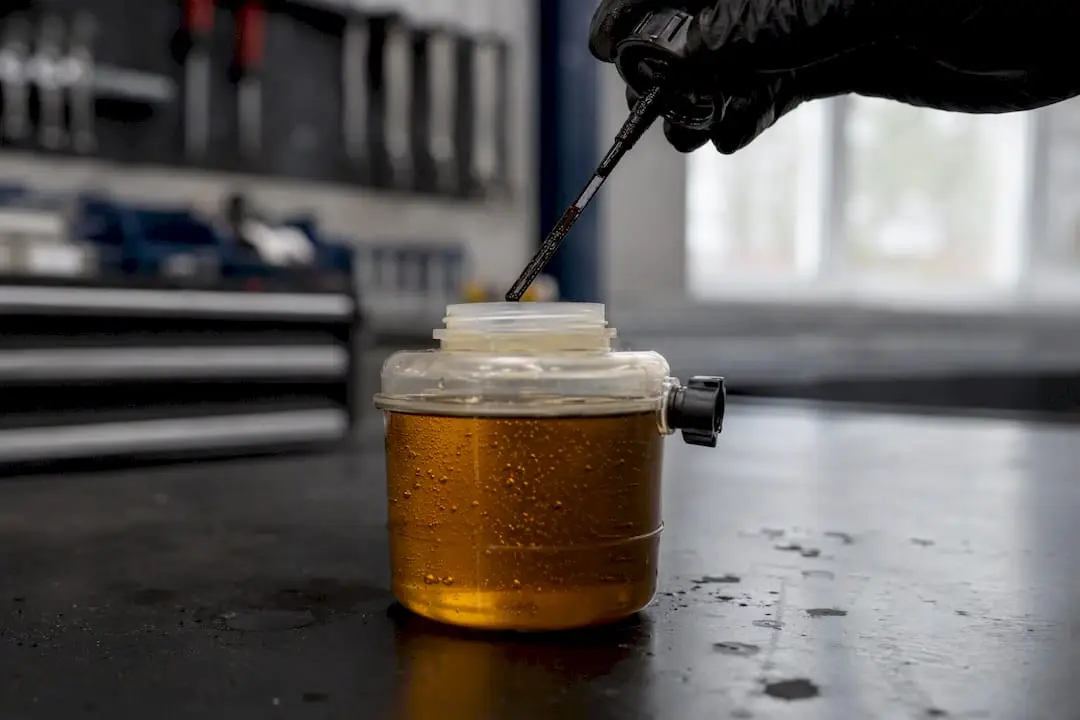
Many commonly used brake fluids are hygroscopic, meaning they can absorb moisture over time.
Brake-fluid condition can affect characteristics such as boiling performance and corrosion protection within compatible hydraulic components.
However, the rate at which fluid condition changes depends on the vehicle, fluid specification, environment, service history, and other factors.
This is why the vehicle manufacturer’s maintenance information should be used rather than assuming every vehicle requires brake-fluid replacement on the same schedule.
When Does Brake Fluid Need Service?
Brake-fluid service may be appropriate when:
- The vehicle manufacturer specifies replacement at a particular maintenance interval
- Testing or inspection indicates the fluid no longer meets appropriate service criteria
- The hydraulic system has been opened for certain repairs
- Contamination is identified
- A vehicle-specific repair procedure requires fluid replacement or bleeding
The correct interval and procedure vary by vehicle.
Instead of relying on a universal rule such as every two years or every 30,000 miles, check the maintenance information for your specific make, model, engine, and braking system.
What Signs Mean the Brake System Needs Inspection?
Several symptoms can indicate a braking-system problem, but they do not necessarily mean the brake fluid simply needs to be changed.
Have the system inspected if you notice:
- Soft or unusual brake-pedal feel
- Excessive pedal travel
- Brake or ABS warning lights
- Visible brake-fluid loss
- Fluid leaking around hydraulic components
- Changes in braking performance
- Unusual braking noises or vibration
These symptoms can involve pads, rotors, calipers, hydraulic components, ABS components, fluid loss, air in the system, or other conditions.
A brake-system symptom should be diagnosed rather than treated as proof that a fluid exchange is the correct repair.
Does Dark Brake Fluid Mean It Needs to Be Changed?
Not necessarily.
Brake-fluid appearance can provide useful information, but color alone does not determine fluid condition or identify a hydraulic-system problem.
Fluid can change appearance with age and use, and different products may not look identical.
The decision to service brake fluid should consider the manufacturer’s maintenance requirements, service history, fluid specification, symptoms, and any appropriate inspection or testing.
Brake Fluid Exchange vs. Brake Bleeding: What’s the Difference?
The terms are sometimes used interchangeably, but they describe different service objectives.
Brake Fluid Exchange
A brake-fluid exchange replaces aging brake fluid with fresh fluid that meets the vehicle manufacturer’s specification.
Brake Bleeding
Brake bleeding primarily removes trapped air from the hydraulic system.
Bleeding may be required after certain hydraulic repairs or when air has entered the system. The correct procedure and sequence vary by vehicle.
For more information, read our guide on what brake bleeding is and when it may be needed.
Does ABS Affect Brake-Fluid Service?
It can.
Modern anti-lock braking systems may contain pumps, valves, and hydraulic passages that affect the correct bleeding or service procedure.
Depending on the vehicle and repair performed, manufacturer service information may specify a particular sequence or require diagnostic equipment to operate parts of the ABS hydraulic system.
This does not mean every ABS-equipped vehicle requires the same additional procedure during every brake-fluid service.
The appropriate process should follow vehicle-specific service information.
Why Does the Correct Brake Fluid Matter?
Brake fluids are manufactured to different specifications, and the vehicle manufacturer determines which specification is appropriate for the braking system.
The correct fluid should be selected according to vehicle-specific requirements rather than price, color, or a general assumption about which fluid is “better.”
Using an incorrect or incompatible fluid can affect hydraulic-system operation and components.
Check the owner’s manual, reservoir information where applicable, or manufacturer service information for the required specification.
How Is the Brake System Evaluated?
When a vehicle has a braking concern or needs maintenance evaluation, inspection may include:
- Brake-fluid level and visible condition
- Brake pads or shoes
- Rotors or drums where applicable
- Calipers and related hardware
- Brake hoses and visible hydraulic lines
- Visible leaks
- Brake-pedal feel
- Brake and ABS warning indicators
- Diagnostic testing when applicable
- Manufacturer maintenance requirements
The goal is to determine whether the vehicle needs routine brake-fluid service, hydraulic-system bleeding, component repair, or another brake-system service.
Brake Fluid Service in Richland Hills, TX
Express Lube & Car Care provides brake-system inspection, brake-fluid service, and related brake repairs for drivers in Richland Hills.
Our technicians can inspect the braking system and determine the appropriate fluid specification and service procedure based on your vehicle’s requirements.
If another brake-system problem is found, we’ll explain the diagnostic findings before repairs are recommended.
Learn more about our brake repair and service in Richland Hills.
Frequently Asked Questions About Brake Fluid Service
How often should brake fluid be changed?
There is no single interval appropriate for every vehicle. Follow the maintenance schedule specified by your vehicle manufacturer and consider vehicle-specific service requirements and fluid condition.
Does dark brake fluid mean it needs to be flushed?
Not automatically. Fluid appearance can provide useful information, but color alone does not determine whether service is required. Manufacturer guidance, maintenance history, symptoms, and appropriate inspection or testing should also be considered.
Is brake-fluid service the same as bleeding the brakes?
No. A brake-fluid exchange primarily replaces aging fluid, while brake bleeding primarily removes trapped air from the hydraulic system. Depending on the repair and vehicle, the procedures can overlap.
Does a soft brake pedal mean I need a brake-fluid flush?
Not necessarily. A soft or spongy pedal can involve trapped air, fluid loss, hydraulic components, or other brake-system problems. The cause should be diagnosed.
Does every ABS vehicle require a special brake-fluid procedure?
No. ABS can affect bleeding and service procedures, but requirements vary by vehicle and by the work being performed. Manufacturer-specific service information should be followed.
What type of brake fluid should my vehicle use?
Use brake fluid that meets the specification required by your vehicle manufacturer. Do not select brake fluid based only on color, price, or a generic recommendation.
Can brake-fluid service fix worn brake pads or rotors?
No. Brake-fluid service does not repair worn friction components, damaged rotors, leaking calipers, or other failed brake components. Those conditions require the appropriate repair.
Can I just top off low brake fluid?
A low brake-fluid level should be evaluated rather than automatically topped off without understanding why the level is low. Brake-pad wear, a hydraulic leak, or another condition may be involved.
Does Express Lube & Car Care provide brake-fluid service?
Yes. Express Lube & Car Care in Richland Hills provides brake-fluid service, brake-system inspection, and related brake repairs based on the vehicle’s requirements.
Brake pedal feel different or unsure whether your brake fluid is due? Express Lube & Car Care provides brake inspection and repair in Richland Hills, TX to determine what your braking system actually needs.