

High mileage car maintenance types are specialized services designed to address the unique wear and tear vehicles experience after surpassing 100,000 miles. At this point, your car’s engine seals age, fluids degrade faster, and components like timing belts and spark plugs approach the end of their service life. Skipping the right services at this stage is how a $200 fluid change turns into a $2,000 repair. This guide covers every major maintenance type your aging vehicle needs, with real service intervals and practical tips from the team at Express Lube & Car Care.
1. What are the essential oil and fluid maintenance types for high mileage cars?
Oil is the single most important fluid in your engine, and the type you choose matters more after 100,000 miles. High-mileage oil contains specialized seal conditioners and detergents that restore pliability to aging gaskets and clean deposits that build up in older engines. Standard oil does not do this. Switching to a high-mileage formula is one of the lowest-cost, highest-impact changes you can make.
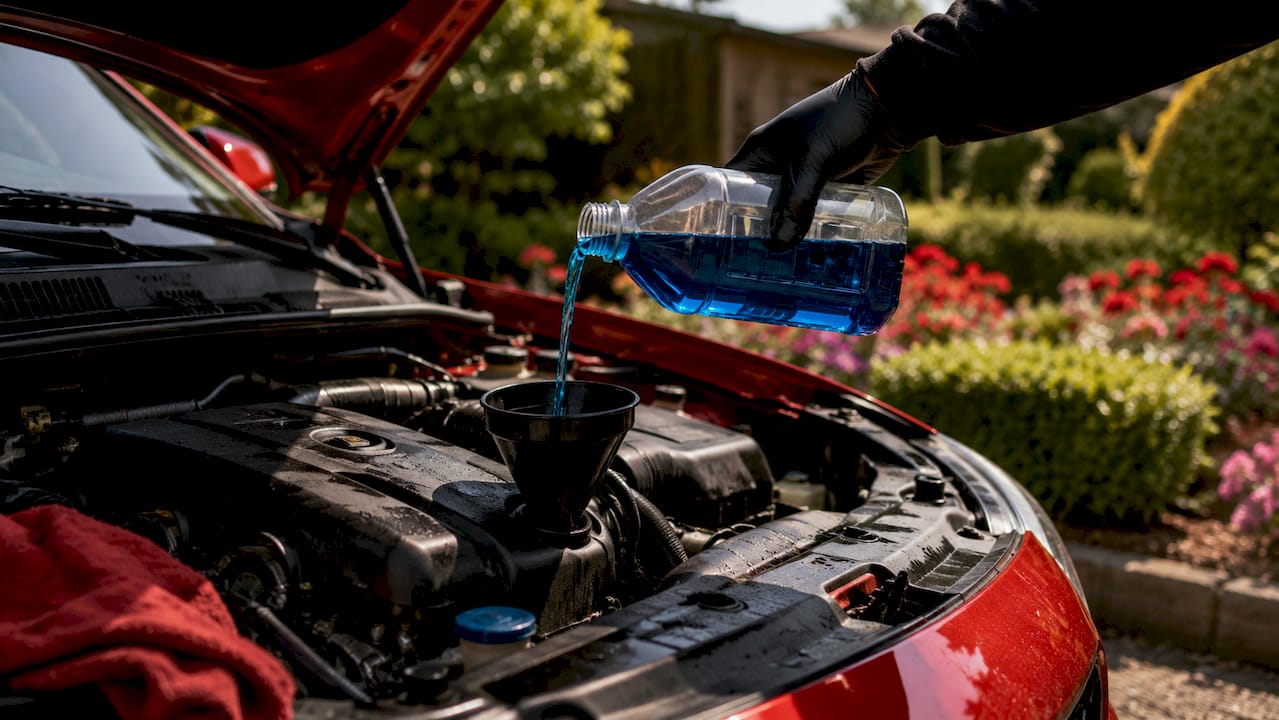
High mileage engines also consume oil faster than newer ones, sometimes up to 1 quart every 3,000–5,000 miles. Failing to monitor oil levels between changes is one of the most common causes of premature engine failure in older vehicles. Check your oil every other fill-up.
Beyond oil, these fluids need regular attention:
- Coolant: Breaks down over time and loses its ability to prevent corrosion. Flush and replace every 30,000–50,000 miles.
- Brake fluid: Absorbs moisture, which lowers its boiling point and reduces stopping power. Replace every 2 years or 30,000 miles.
- Transmission fluid: Dirty fluid causes slipping and accelerates internal wear. Check condition and level at every oil change.
- Power steering fluid: Contaminated fluid damages the pump. Inspect color and level regularly.
Pro Tip: Switch your aging vehicle to the manufacturer’s “severe duty” maintenance schedule. This schedule was designed for taxis, tow vehicles, and fleet cars, but it applies perfectly to any high mileage vehicle that sees regular daily use.
2. Which wear-and-tear parts should be replaced routinely in high mileage maintenance?
Proactive part replacement between 100,000 and 150,000 miles resets your vehicle’s duty cycles and prevents the kind of failures that leave you stranded. Major component replacements such as spark plugs, starters, alternators, and suspension parts in this mileage window can cost $1,000 or more, but they extend vehicle life significantly. Paying now beats paying much more later.
Here are the key wear items to address:
- Spark plugs: Most modern plugs last 60,000–100,000 miles. Worn plugs cause misfires, poor fuel economy, and hard starts. Check out the signs of bad spark plugs before your next service visit.
- Timing belt: Failure here destroys your engine. Replace it at the manufacturer’s specified interval, typically between 60,000 and 100,000 miles.
- Water pump: Replace the water pump during timing belt service. The labor overlaps, so doing both at once saves you from paying for the same job twice.
- Serpentine belt: Cracks or fraying mean imminent failure. Inspect it at every oil change and replace it every 60,000–100,000 miles.
- Radiator hoses: Soft, spongy, or cracked hoses can burst without warning. Replace them if they show any signs of wear.
- Battery: Most batteries last 3–5 years. An aging battery causes unreliable starts and can damage your alternator over time.
3. How should tires and brakes be maintained for vehicles with high mileage?
Tires and brakes are your vehicle’s primary safety systems, and both wear faster on older cars that may have alignment or suspension issues. Tires generally last 30,000–80,000 miles, while brake service is needed every 25,000–70,000 miles depending on driving conditions and parts quality. That is a wide range, which is why regular inspection matters more than a fixed schedule.
Watch for these warning signs:
- Tires: Tread depth below 2/32 of an inch, uneven wear patterns, cracking on the sidewalls, or age over 6 years regardless of tread depth.
- Brakes: Squealing or grinding noises, a pulsating pedal, pulling to one side, or a longer stopping distance than usual.
Tire rotation every 5,000–7,500 miles is one of the cheapest ways to extend tire life on a high mileage vehicle. Uneven wear from misalignment or worn suspension parts accelerates tire degradation fast.
| Component | Inspection Interval | Replacement Trigger |
|---|---|---|
| Tires | Every oil change | Below 2/32" tread or 6+ years old |
| Brake pads | Every 12,000 miles | Below 3mm thickness |
| Brake rotors | With pad replacement | Scoring, warping, or minimum thickness |
| Brake fluid | Every 2 years | Moisture contamination or dark color |
Pro Tip: If you do a lot of city driving or haul heavy loads regularly, move to the shorter end of every brake and tire interval. Stop-and-go traffic is far harder on these components than highway miles.
4. What comprehensive inspections and tune-ups are vital for high mileage vehicles?
A multi-point inspection catches the problems you cannot see from the driver’s seat. For high mileage vehicle upkeep, this means going beyond the basics and checking systems that quietly degrade over years of use.
Focus your inspections on these four areas:
- Suspension: Worn shocks, struts, and bushings cause poor handling, uneven tire wear, and longer stopping distances. Have them inspected every 50,000 miles or if you notice a bouncy or loose ride.
- Transmission: Automatic transmissions with regular fluid service can last 150,000–200,000 miles or more. Sudden shifting problems need immediate attention. Gradual changes in shift feel are worth monitoring at your next service.
- Exhaust system: Rust and leaks develop over time. A leaking exhaust is a safety hazard, not just a noise issue. Inspect it annually.
- Electrical components: Sensors, starters, and alternators all degrade with age. A failing oxygen sensor alone can drop your fuel economy noticeably.
Pro Tip: Keep a complete, dated service record for every repair and inspection. A documented service history increases your vehicle’s resale value and gives any mechanic a clear picture of what has already been done.
5. How do maintenance schedules differ for high mileage cars compared to newer vehicles?
Newer vehicles follow a standard maintenance schedule built around normal driving conditions. High mileage cars need something stricter. Adopting a “severe duty” schedule is the most practical way to stay ahead of accelerated wear in aging engines and drivetrains.
The difference is not subtle. A standard schedule might call for an oil change every 7,500 miles. A severe duty schedule brings that down to every 3,000–5,000 miles for older vehicles. The same logic applies to fluid inspections, filter replacements, and belt checks.
| Service | Standard Schedule | Severe Duty Schedule |
|---|---|---|
| Oil change | Every 7,500 miles | Every 3,000–5,000 miles |
| Air filter | Every 15,000–30,000 miles | Every 12,000–15,000 miles |
| Transmission fluid | Every 30,000–60,000 miles | Every 15,000–30,000 miles |
| Coolant flush | Every 50,000 miles | Every 30,000 miles |
| Full inspection | Annually | Every 6 months |
Following a tighter schedule does not mean you are spending more money overall. You are spreading smaller costs across time instead of absorbing one large repair bill. For a deeper look at service timing by mileage, the maintenance schedule by mileage guide from Express Lube & Car Care breaks it down clearly.
Key Takeaways
High mileage car maintenance requires more frequent, targeted services than standard schedules provide, and the cost of staying proactive is always lower than the cost of a major repair.
| Point | Details |
|---|---|
| Switch to high-mileage oil | High-mileage formulas condition aging seals and clean engine deposits standard oil misses. |
| Follow severe duty intervals | Shorten oil, fluid, and inspection intervals to match the demands of an aging drivetrain. |
| Replace wear items proactively | Timing belts, spark plugs, and hoses replaced at 100,000–150,000 miles prevent catastrophic failures. |
| Inspect tires and brakes regularly | Both systems wear faster on high mileage vehicles and need checks every 12,000 miles. |
| Document every service | A complete service history protects resale value and helps mechanics diagnose problems faster. |
What we have learned from years of high mileage car servicing
The cars that make it to 200,000 miles are not always the most expensive ones. They are the ones that got consistent, honest attention from owners who did not wait for warning lights.
The biggest mistake we see at Express Lube & Car Care is owners treating their high mileage vehicle like a new one. They follow the standard oil change sticker, skip the fluid checks, and ignore the small vibration that started three months ago. By the time they come in, a $150 fix has become a $900 repair.
The second mistake is the opposite: owners who get scared by the mileage number and start throwing money at every possible service at once. That is not smart either. The right approach is a prioritized inspection first. Find out what actually needs attention, then work through it in order of safety and cost impact.
Record keeping is the habit that separates good car owners from great ones. Every oil change, every tire rotation, every belt replacement should be written down with the date and mileage. That paper trail tells the next mechanic exactly where to look and tells a future buyer that this car was cared for. Buyers reward well-documented vehicles, and so do resale values.
Drive gently, service consistently, and do not ignore the small stuff. That is the whole formula.
— Express Lube & Car Care
High mileage maintenance services at Express Lube & Car Care
Drivers in the Richland Hills area trust Express Lube & Car Care for fast, honest service on vehicles of every age and mileage. Our certified ASE technicians specialize in the full range of high mileage car servicing options, from high-mileage oil changes to complete multi-point inspections.
No appointment needed. Walk in and we will check your fluids, inspect your wear items, and tell you exactly what your vehicle needs, with no pressure and no guesswork. Check our current oil change specials to save on your next visit. If your engine needs deeper diagnostics or component replacement, our engine repair services cover everything from sensor checks to full rebuilds. We also offer a helpful best oil for high mileage cars guide if you want to understand your oil options before you come in.
FAQ
What counts as a high mileage vehicle?
A vehicle is generally considered high mileage once it passes 100,000 miles. At this point, specialized maintenance types become necessary to address aging seals, fluids, and wear components.
How often should I change oil in a high mileage car?
High mileage vehicles benefit from oil changes every 3,000–5,000 miles using a high-mileage formula. This interval aligns with the severe duty schedule recommended by Consumer Reports for aging engines.
What is the most important maintenance type for a high mileage car?
Consistent oil changes with a high-mileage formula are the single most impactful service. Monitoring oil levels between changes prevents the engine failure that most commonly ends the life of older vehicles.
When should I replace the timing belt on a high mileage car?
Most manufacturers recommend timing belt replacement between 60,000 and 100,000 miles. Replace the water pump at the same time to avoid paying for duplicate labor on an overlapping repair.
Does a high mileage car need more frequent brake inspections?
Yes. Brakes on high mileage vehicles should be inspected every 12,000 miles or sooner if you notice squealing, grinding, or pulling. Worn suspension components on older cars accelerate brake wear beyond normal intervals.