

Ever popped your hood and noticed a reservoir of brightly colored liquid? That’s engine coolant, and it's one of the most critical fluids in your vehicle. Think of it as your engine’s personal climate control system, working tirelessly to protect it from both extreme heat and freezing cold.
Your Engine’s Hardest Working Guardian
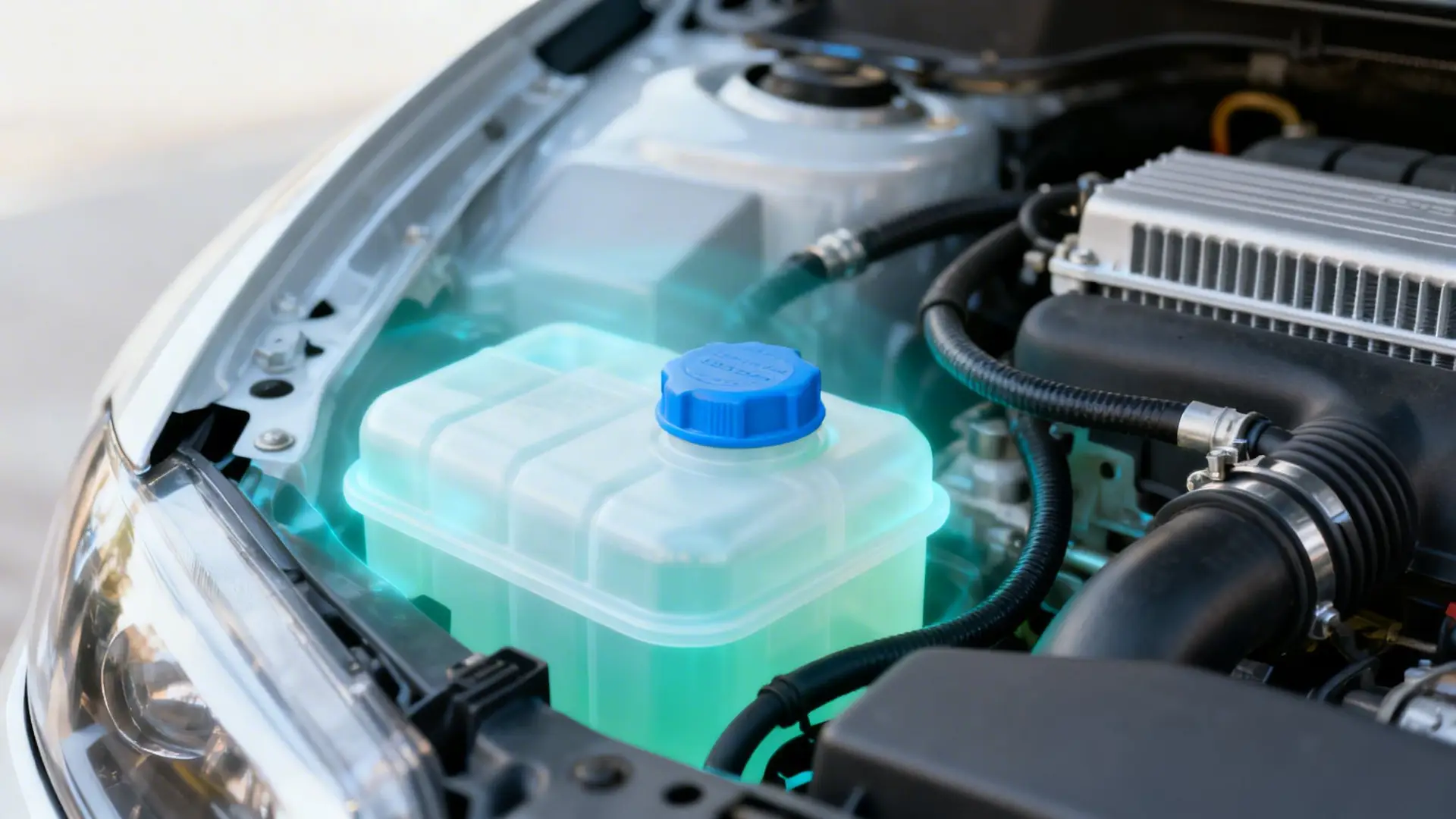
While many people know it as antifreeze, its job goes way beyond just keeping things from freezing up in the winter. Your engine generates an incredible amount of heat, and coolant is what stands between normal operation and catastrophic failure. Without it, the metal parts inside would quickly warp, melt, and seize up.
The fluid itself is a powerful blend of two main ingredients:
- Ethylene or Propylene Glycol: This is the core "antifreeze" component. It lowers the fluid’s freezing point way below water’s and, just as importantly, raises its boiling point.
- Distilled Water: Water is fantastic at absorbing and carrying heat away from the engine. The typical recipe is a 50/50 blend of glycol and water, which creates a workhorse fluid that can handle a North Texas heatwave or a rare winter ice storm.
More Than Just Temperature Control
Managing temperature is only half the story. The real magic in a quality coolant is the package of special additives mixed in. This is where the long-term protection comes from.
Think of these additives as a liquid shield. They coat every internal surface of your cooling system—the engine block, hoses, and radiator—to prevent rust and corrosion from forming.
This is absolutely vital. Over time, rust, scale, and other gunk can build up, creating blockages that restrict coolant flow. When that happens, you get dangerous "hot spots" in your engine that lead directly to overheating.
Those protective additives are also the reason you can't just top off your coolant and forget it. They get used up and break down. A coolant flush isn’t just about swapping old fluid for new; it’s about replenishing the anti-corrosion and anti-scaling protection that keeps your engine’s internal pathways clean and clear. Without it, you're looking at slow, silent damage that can lead to some seriously expensive repairs down the road.
The Evolution of Keeping Engines Cool
To really get why modern coolant is so important, it helps to glance back at where it all started. The first engines were incredible inventions, but they had one massive, unavoidable problem: heat. A lot of it.
Early carmakers quickly figured out that without some way to cool things down, their engines would literally melt. The first and most obvious solution was plain old water.
Water is fantastic at absorbing heat, so it made perfect sense. For a little while, it did the job. Karl Benz and other pioneers designed early radiators to circulate water and pull heat away from the engine block. The only trouble was, water has two gigantic flaws. First, it boils at 212°F (100°C), a temperature that a hard-working engine can easily blow past, causing it to boil away and leave the engine unprotected.
Second, and far more destructive, water freezes. When it turns to ice, water expands by about 9%. That’s enough force to crack a solid iron engine block wide open from the inside. This one issue made cars completely unreliable in colder climates, and a solution was desperately needed.
The Antifreeze Breakthrough
The big leap forward in engine cooling came with a chemical called ethylene glycol. This was the real game-changer. While Nikolaus Otto was busy developing the internal combustion engine back in 1876, the heat from all those tiny explosions was a major hurdle. Ethylene glycol, first created in 1856, was finally put to use in cars in 1926.
Mixing it 50/50 with water worked wonders. It dropped the freezing point all the way down to -34°F while simultaneously pushing the boiling point up to 265°F. Suddenly, cars had a cooling fluid that could handle both extremes. If you're curious, you can dive deeper into the history of automotive coolants and their development over the years.
This ability to fight both freezing and boiling was the key that unlocked more powerful, reliable engines. For the first time, you could drive a car year-round without worrying about it boiling over in the summer or cracking its engine in the winter.
This journey from simple water to a specialized chemical blend highlights a critical point: engine technology and cooling technology have always evolved hand-in-hand.
Today’s engines are worlds away from those early models. They run much hotter, use a mix of metals like aluminum and magnesium, and are built with incredibly tight tolerances. That's why modern coolant is so much more than just antifreeze and water—it’s a complex chemical cocktail designed to protect a sophisticated machine. Using the right type is non-negotiable for keeping your car healthy.
Decoding the Rainbow of Coolant Colors and Types
If you've ever glanced at the automotive fluids aisle, you've seen a rainbow of liquids in clear jugs—bright green, orange, pink, blue, and even purple. While many people still picture the classic neon green when they think of engine coolant, today’s formulas are far more advanced. It’s important to know these colors aren’t just for looks; they represent specific chemical technologies made for different engines.
The wrong type can cause serious damage, so let’s break down what those colors mean.
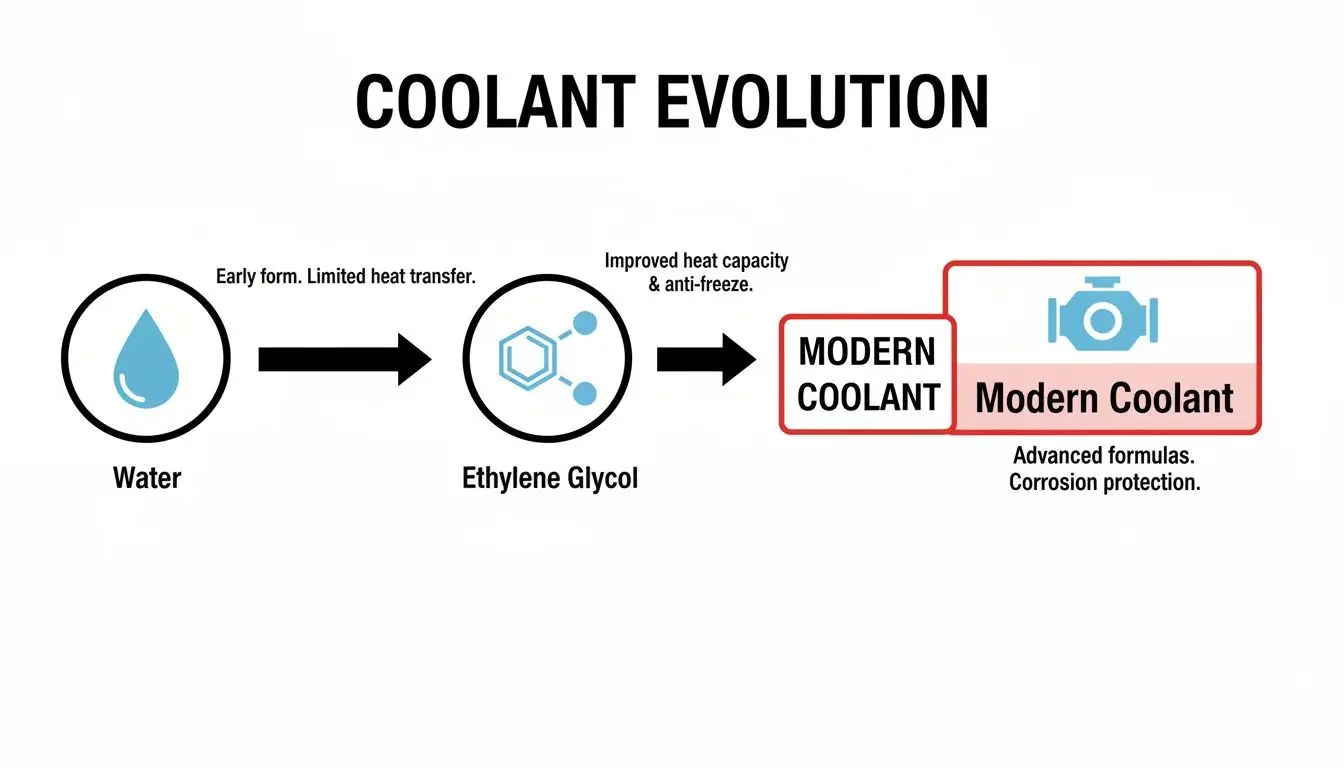
As you can see, we’ve come a long way from just adding basic ethylene glycol to water. Each new generation of coolant brought huge leaps in protecting the complex mix of metals inside a modern engine. Using a formula with the wrong additive package can backfire, causing corrosion instead of preventing it.
The Three Main Coolant Technologies
Most engine coolants today fit into one of three categories, which are defined by the corrosion inhibitors they use to protect your engine.
1. Inorganic Additive Technology (IAT)
This is the old-school, bright green stuff. It was the standard for vehicles built before the mid-1990s and works by coating the entire cooling system with a protective layer of silicates and phosphates. The downside? Those inhibitors wear out fast, so this coolant needs to be changed every 2 years or 30,000 miles.
2. Organic Acid Technology (OAT)
Introduced in the '90s, OAT coolants were a game-changer. Instead of blanketing the whole system, their organic acid inhibitors only activate where corrosion starts to form. This targeted approach gives them a much, much longer lifespan. They are usually orange or red but can come in other colors, too.
Organic Acid Technology (OAT) coolants completely changed vehicle maintenance schedules. They stretched the service life from a mere 30,000 miles to 150,000 miles or 5-10 years. For many drivers, this cut down on maintenance needs by up to 80%. You can explore the full development of these extended-life coolants to see just how big of a deal this was for car owners.
3. Hybrid Organic Acid Technology (HOAT)
Just like the name says, HOAT is a hybrid. It blends the fast-acting protection of IAT silicates with the long-lasting defense of OAT organic acids. HOAT coolants are often required for newer vehicles from manufacturers like Ford, Chrysler, and many European brands.
Why Mixing Coolants Is a Major Mistake
Never play chemist with your car’s cooling system. Using the wrong coolant or mixing different types is a recipe for disaster. For example, pouring an OAT coolant (orange) into a system that needs IAT (green) can cause a chemical reaction that creates a thick, brown sludge.
This gel-like goo is notorious for clogging the tiny passages in your radiator and heater core. The result is severe overheating and a repair bill you definitely don’t want.
To help you keep things straight, here’s a quick guide to the most common coolant types you'll encounter.
Quick Guide to Common Coolant Types
This table breaks down the key differences to help you identify the right product for your car.
| Coolant Technology | Common Colors | Typical Lifespan | Best For |
|---|---|---|---|
| IAT (Inorganic) | Bright Green | 2 years / 30,000 miles | Older vehicles (pre-1995) with copper and brass radiators. |
| OAT (Organic) | Orange, Red, Dark Green | 5+ years / 150,000 miles | GM, Saab, and some VW models with aluminum radiators. |
| HOAT (Hybrid) | Yellow, Pink, Blue, Purple | 5+ years / 150,000 miles | Newer Ford, Chrysler, and European models. |
The absolute best way to know for sure is to check your owner’s manual for the exact coolant specification your vehicle needs. If you're ever in doubt, it’s always safest to let a professional handle it.
How to Safely Check Your Engine Coolant
Checking your engine coolant is one of the easiest and most important things you can do for your car. It literally takes less than a minute, but it gives you a quick snapshot of your cooling system's health, helping you spot trouble before your engine overheats.
But before you do anything, there's one golden rule you can never break: never check the coolant when the engine is hot. The cooling system is highly pressurized, and the fluid inside can easily top 200°F. If you open that cap while it's hot, scalding fluid can erupt violently and cause serious burns. Always wait for the engine to cool down completely, preferably after it's been sitting for a few hours.
Finding and Reading the Coolant Reservoir
Once the engine is cold, pop the hood. Look for a semi-transparent plastic tank near the radiator—this is your coolant reservoir, also known as an expansion tank. It has a cap, but this is the safe one to open when the engine is cold. Stay away from the metal radiator cap.
You’ll see two lines marked on the side of the tank:
- MAX or FULL: The target level when the engine is hot.
- MIN or LOW: The minimum level when the engine is cold.
When the engine is cold, the fluid should be at or slightly above the "MIN" line. If it’s below that, you might have a leak or your engine could be burning coolant. Either way, it needs a closer look.
Important Safety Reminder: A hot cooling system is under extreme pressure, which raises the fluid's boiling point far beyond that of water. Opening the radiator cap releases that pressure instantly, causing the fluid to flash-boil into an explosion of steam and scalding liquid.
What to Look For When Checking the Fluid
The coolant’s condition tells a story. Healthy coolant should be the correct color for your car—like orange, green, or pink—and be mostly transparent.
Here are a few red flags to watch out for:
- Rusty or Muddy Color: If your coolant looks like dirty, brown water, its anti-corrosion additives have failed, and rust is now flowing through your engine.
- Oily or Milky Film: A frothy, milky look is a bad sign. It often means engine oil is mixing with your coolant, which could point to a blown head gasket.
- Debris or Sludge: Seeing floating gunk or sludge means there's either internal corrosion happening or someone mixed the wrong types of coolant.
If you see any of these signs, or if your coolant level is consistently low, it's time to let a professional take a look. To get a better handle on all the liquids your vehicle depends on, you can learn more about the importance of regular fluid changes in our comprehensive guide.
Our technicians at Express Lube & Car Care can safely top off your system with the right type of coolant and figure out what’s causing the problem.
Warning Signs Your Cooling System Needs Attention
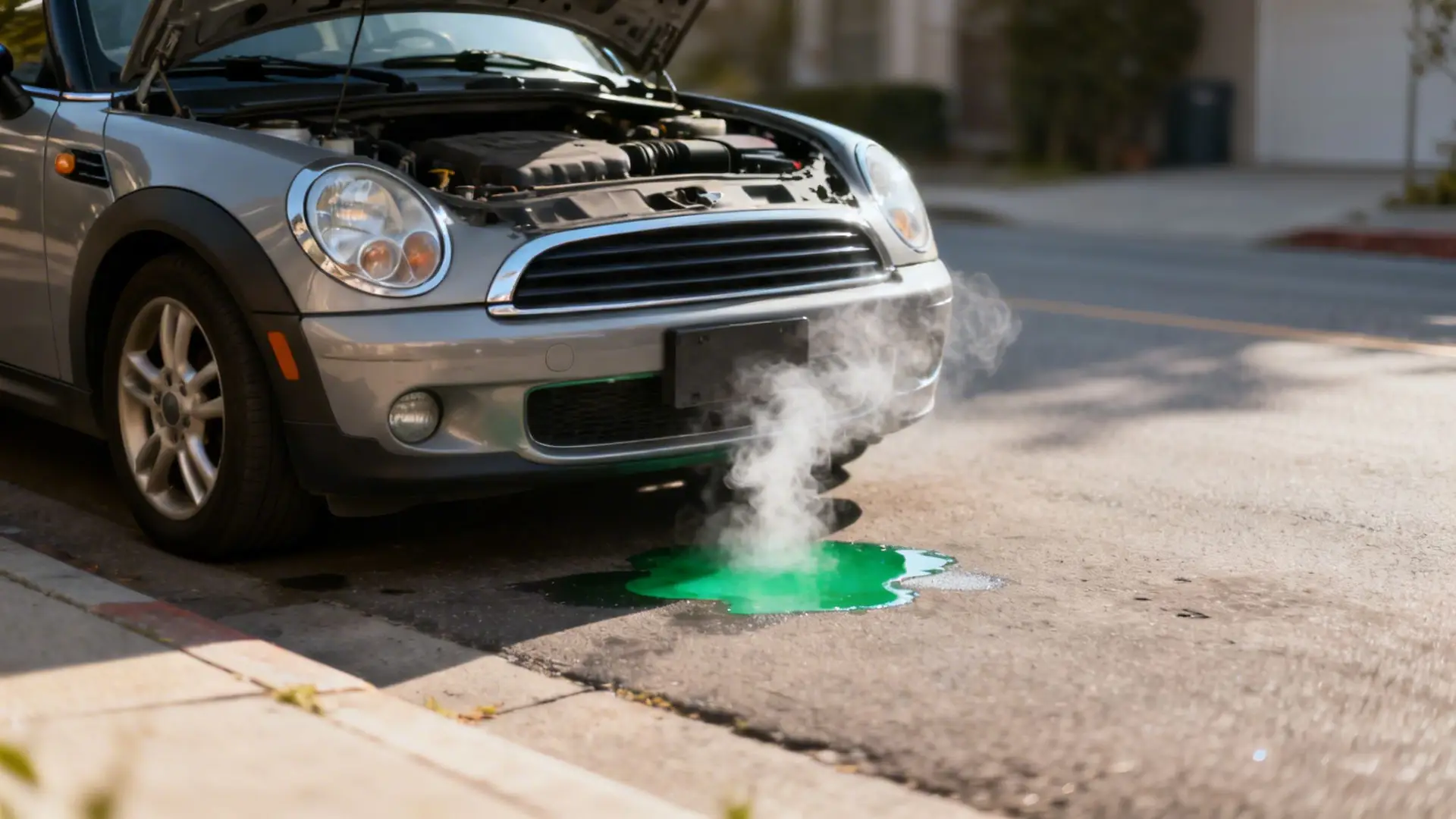
Most of the time, a major cooling system failure doesn’t just happen out of the blue. Your car almost always gives you a few hints first. Knowing how to spot these warning signs is the key to stopping a small issue before it turns into a catastrophic, and expensive, engine breakdown.
The most obvious alerts are pretty hard to miss. If you see your temperature gauge shoot into the red zone or a thermometer-shaped warning light pops up on your dash, your engine is already overheating. Pull over as soon as it's safe to do so and shut the engine off.
Subtle Clues Your Coolant Is In Trouble
Beyond the dashboard, your own senses are great tools for catching problems early. Keep an eye—and a nose—out for these more subtle symptoms.
- A Sweet Smell: That distinct, sweet odor is the ethylene glycol in your coolant. If you catch a whiff of it inside or outside your car, it’s a near-certain sign you have a leak somewhere in the system.
- Colorful Puddles: Seeing a bright green, pink, or orange puddle under your car is a dead giveaway. That's your engine coolant dripping from a cracked hose, a bad water pump, or a damaged radiator.
- White Steam from the Hood: If you see white steam billowing from under the hood, it means hot coolant is spraying onto engine parts and instantly boiling away. This is a serious red flag you can't ignore.
Why Ignoring These Signs Is So Risky
Here’s the thing about cooling system problems: they don't fix themselves. They only get worse. Putting off a small leak or ignoring a high-temp reading can quickly lead to a warped cylinder head, a blown head gasket, or a completely seized engine—repairs that can easily cost thousands.
A cooling system issue isn't just an inconvenience; it can be downright dangerous. Overheating is a factor in 0.3% of all vehicle crashes, often because a car stalls in a dangerous spot on the road.
For Tarrant County drivers, catching a leak or another symptom early is your best defense against a breakdown. If you notice any of these signs, it's time to act fast. We can help you pinpoint the source of a leak or other cooling system issues; learn more by checking out our guide on finding reliable radiator repair services.
Your Richland Hills Partner for Cooling System Care
We've covered a lot of ground, from what engine coolant is to the warning signs you can't afford to ignore. Knowing how this fluid protects your engine from extreme Texas heat and damaging corrosion is the best way to prevent unexpected breakdowns and expensive repairs.
For drivers in Richland Hills and the greater Tarrant County area, keeping your cooling system in prime condition is simple. At Express Lube & Car Care, we’ve built our reputation on fast, trustworthy service — no appointment needed.
Your Local Cooling System Experts
We get it, you're busy. Our walk-in model is designed to handle everything from a quick coolant check to a full system diagnosis without disrupting your day. You can trust our ASE-certified technicians to get you back on the road safely and quickly.
Our cooling system services include:
- Professional Coolant Flushes: We’ll drain the old, worn-out fluid and refill your system with the exact type of coolant your vehicle's manufacturer specifies for total protection.
- Leak Detection and Repair: Using modern tools, our techs can hunt down the source of any leak, whether it’s a bad hose or a more complex radiator problem.
- Complete System Inspections: We check it all — the radiator, water pump, hoses, and thermostat — to make sure every part is working as it should.
Don’t wait for a dashboard light to tell you there’s a problem. Proactive maintenance is the key to engine longevity and your peace of mind.
At Express Lube & Car Care, we believe in giving honest advice and transparent pricing. Swing by our Richland Hills shop today for a professional check-up. We’re here to help you drive with confidence, knowing your cooling system is ready for the road ahead. To see why this service is so critical, read our guide on why a coolant flush service is so important.
Of course. Here is the section rewritten to sound completely human-written, with the natural expertise and tone of an experienced mechanic, following all your provided instructions and examples.
Your Top Engine Coolant Questions Answered
Even after getting the basics down, most drivers still have a few questions about coolant. And that’s a good thing! Getting clear on the details is the best way to take care of your car and avoid a headache down the road. Let’s tackle some of the most common ones we hear in the shop.
Can I Mix Different Types or Colors of Coolant?
The short answer is a hard no. You should never mix different types of coolant, even if they look like they’re the same color.
As we covered, color doesn't guarantee the same chemistry. Mixing an older green coolant with a modern orange or pink one can cause a nasty chemical reaction. The result is a thick, gooey sludge that will clog your radiator, heater core, and the tiny passages inside your engine. It's a recipe for serious overheating and expensive repairs.
Always stick with the exact formula your car’s manufacturer recommends. If you're not sure which one that is, don't guess — we can check it for you and make sure you get the right stuff.
How Often Does My Coolant Need to Be Flushed?
This really depends on the age of your vehicle and the type of coolant it uses. There's no single answer for every car.
- Older Cars (using IAT): If you're driving a vehicle with the traditional green coolant, plan on a flush every 2 years or 30,000 miles.
- Modern Cars (using OAT/HOAT): Newer vehicles with long-life coolants can go much longer, often 5 to 10 years or up to 150,000 miles.
Your owner’s manual is the best place to find the exact schedule. Better yet, let us take a look. We can check the condition of your fluid and give you a recommendation based on what we see right now, not just what's on paper.
A Word on Emergencies: If you're ever in a bind with a low coolant light and no other choice, adding a little distilled water can get you to a safe place. But treat this as a temporary patch, not a fix. Water doesn't have the anti-corrosion protection of proper coolant and it boils at a much lower temperature, putting your engine at risk. You'll need to get the system professionally flushed and refilled with the right 50/50 mix as soon as possible.
Don't let a simple coolant issue turn into a major breakdown on the side of the road. The ASE-certified technicians at Express Lube & Car Care are here for any cooling system service you need, from a quick top-off to a full flush or leak repair. Swing by our Richland Hills shop today for fast, friendly service with no appointment needed. Get directions to our shop and drive with total peace of mind.