
Your registration renewal notice shows up, and the thought usually comes right behind it. I need an inspection. For a lot of drivers in Greenville, that means one more errand to squeeze into a workday, one more line item in the budget, and one more chance for a surprise repair.
That feeling is normal.
Drivers generally don’t mind the inspection itself. They mind the unknowns. Will it pass? How long will it take? Is this shop going to be straight with me? Is that little tire light, streaky wiper blade, or dark tint going to turn into a failed sticker and a bigger bill?
The good news is that car inspections greenville nc drivers deal with every year are manageable if you go in prepared. A state inspection isn’t just a hurdle for your registration. It’s also a cheap way to catch safety issues before they turn into breakdowns, roadside stress, or a repair you can’t put off.
I’ve always told customers to treat inspection season like a quick health check for the car. If you handle a few simple items ahead of time, you give yourself the best shot to pass on the first visit and avoid paying for things that could have been caught in your own driveway.
Practical rule: Don’t wait for the inspection bay to tell you what your car has been trying to tell you for weeks.
Your Guide to Passing Car Inspections in Greenville NC
Your renewal notice is coming up, and you start doing the math. Can the car pass as it sits, or will one small problem turn a basic inspection into a repair bill, a second trip, and a rushed decision at the counter?
That is the part to plan for.
In Greenville, the smartest approach is to treat the inspection like a short yearly checkup with a budget attached. A little prep before you go often saves more than the inspection fee itself. A bad wiper blade, a burned-out bulb, or tires worn closer to the limit than you realized can cost you time just as much as money.
The goal is simple. Pass the first time, avoid surprise repairs, and know what you are paying for if the car does need work. That is also part of smart ownership, right alongside keeping up with maintenance and making sure you have the right coverage. If you need to review that side of the equation too, you can find car insurance in North Carolina.
Why preparation saves money
A failed inspection does not automatically mean a big mechanical problem. In many cases, the issue is small and fixable. The expense comes from the chain reaction. You lose time, may need to reschedule, and could end up approving repairs quickly because your registration deadline is close.
A car inspection works a lot like going to the dentist for a cleaning. If you handle the obvious problem early, the visit stays routine. If you wait until something hurts, the appointment usually gets more expensive.
Start with the easy items you can check at home. Make sure your lights work. Look at your wiper blades. Check tire condition. If something seems questionable, fix it before the inspection. If a shop finds a larger issue, ask for a clear estimate before authorizing repairs.
A useful way to think about it is:
- Safety first: The inspection focuses on the parts that affect stopping, steering, visibility, and control.
- Timing next: Give yourself room for a recheck if needed.
- Budget after that: The posted inspection fee is only one part of the actual cost. Extra visits, missed work time, and last-minute repairs are often what hurt most.
What catches drivers off guard
A common point of failure is assuming Greenville follows the same rules a friend mentioned in another county or another state. Drivers hear mixed advice about tint, emissions, and what happens after a failed inspection, then show up expecting a different process than the one the shop has to follow.
This confusion often leads to stress and wasted time.
Once you know what Pitt County requires and you check the basics before your appointment, the inspection becomes much more predictable. That is the difference between treating it like a yearly nuisance and using it as a low-cost way to catch problems before they get more expensive.
Understanding North Carolina's Two-Part Vehicle Inspection
You schedule your inspection expecting one quick appointment, then a friend from Raleigh asks whether your check engine light will affect the emissions test. That is where many Greenville drivers start second-guessing themselves.
North Carolina uses a two-part inspection system statewide, but the part that applies depends on the county where the vehicle is registered. For Greenville drivers, the key point is simpler than the rumors make it sound. Your vehicle still needs the annual safety inspection for registration, but Pitt County does not add the county emissions inspection that drivers deal with in some other parts of the state.
The safety inspection
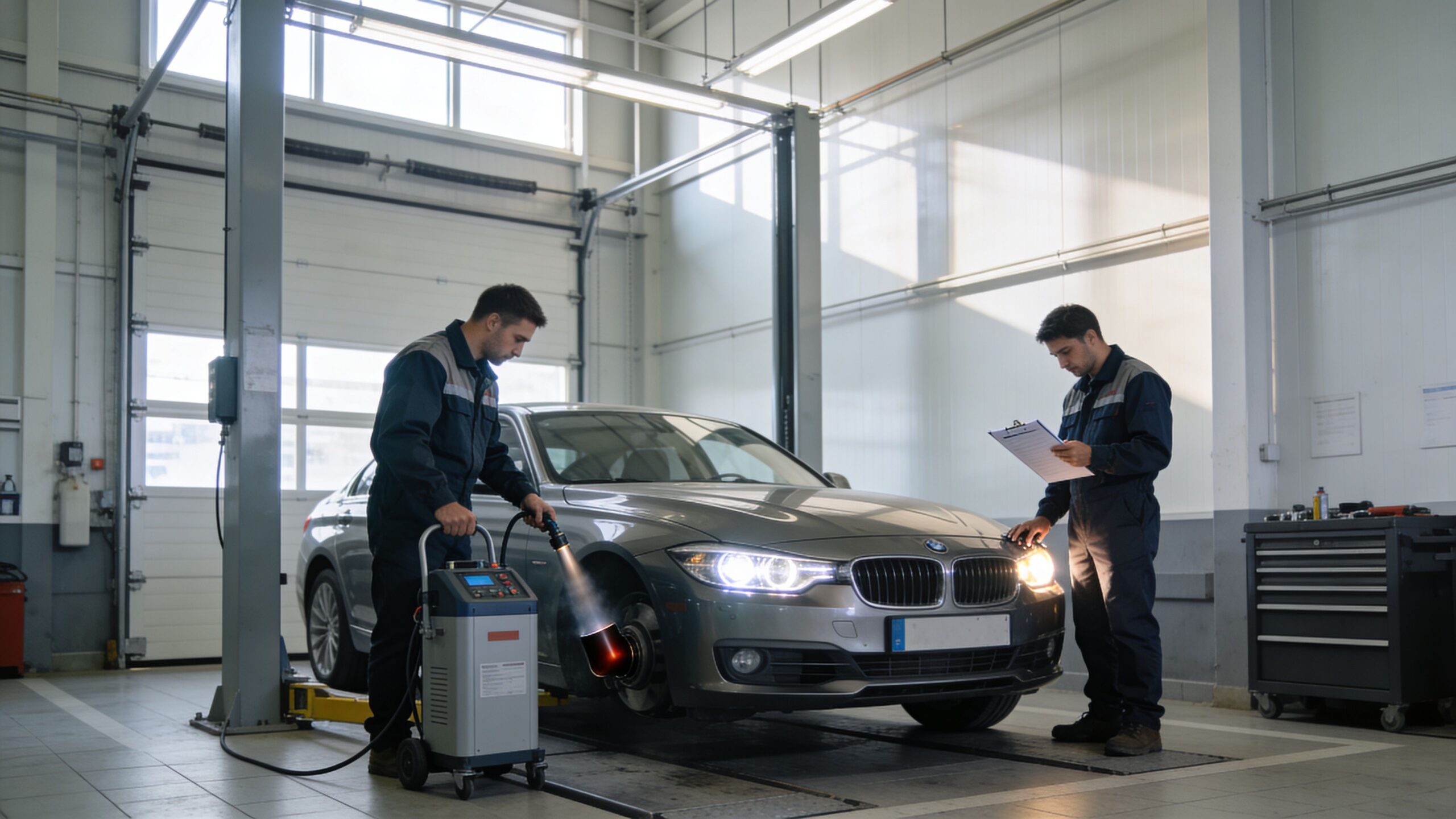
This is the inspection every Greenville driver should plan for each year. A mechanic checks the parts of the car that affect safe driving on public roads, such as brakes, tires, lights, steering, suspension, wipers, horn, and other required equipment.
It helps to view it like a yearly household safety check. You are not tearing open the walls to inspect every wire. You are making sure the smoke detectors work, the doors latch, and the steps are safe to use. The state inspection works the same way. It is a practical pass-or-fail review of visible, required safety items, not a full diagnostic appointment.
If you want a simple way to get ready before you go, this car safety inspection checklist gives you a useful pre-visit framework.
The emissions inspection
This distinction often causes confusion for drivers because they hear different rules from family, coworkers, or online forums in other North Carolina counties. Some counties require an OBD-II emissions inspection. That check focuses on the vehicle’s onboard system and whether emissions-related problems are present.
Greenville drivers in Pitt County do not have that county emissions requirement. So if someone tells you every North Carolina inspection includes emissions testing, that advice does not fit Greenville. During the safety inspection, the shop may still look at exhaust-related safety concerns, but that is different from a county emissions program.
County rules matter.
If you moved from another part of North Carolina, this is one of the first details to verify before inspection time. A driver who used to worry about monitor readiness or emissions-related test conditions in another county may spend money chasing the wrong problem here.
Why this matters for planning
Knowing Greenville drivers are dealing with the safety inspection only helps you prepare smarter and spend money where it counts. Instead of guessing about emissions steps that do not apply in Pitt County, you can put your attention on the items most likely to lead to a failed sticker or a repair bill, like bulbs, worn tires, weak wipers, brake wear, or illegal tint.
That matters for your budget as much as for your schedule. A failed inspection often costs more in lost time and rushed repairs than in the inspection fee itself. Treating the inspection as part of smart vehicle ownership helps you catch small issues while they are still inexpensive.
Inspection season also tends to show up alongside registration, maintenance, and insurance costs. If you are reviewing the full cost of owning your vehicle, this guide can help you find car insurance in North Carolina in a way that fits your vehicle and budget.
The Official North Carolina Safety Inspection Checklist
Pull into an inspection bay with a quiet brake squeal, one dim tag light, and wipers that smear in the rain, and a simple annual stop can turn into extra errands and an unexpected repair bill. That is why it helps to know what the technician is checking before inspection day. In Greenville, smart preparation is less about memorizing rules and more about catching small problems while they are still easy to fix.
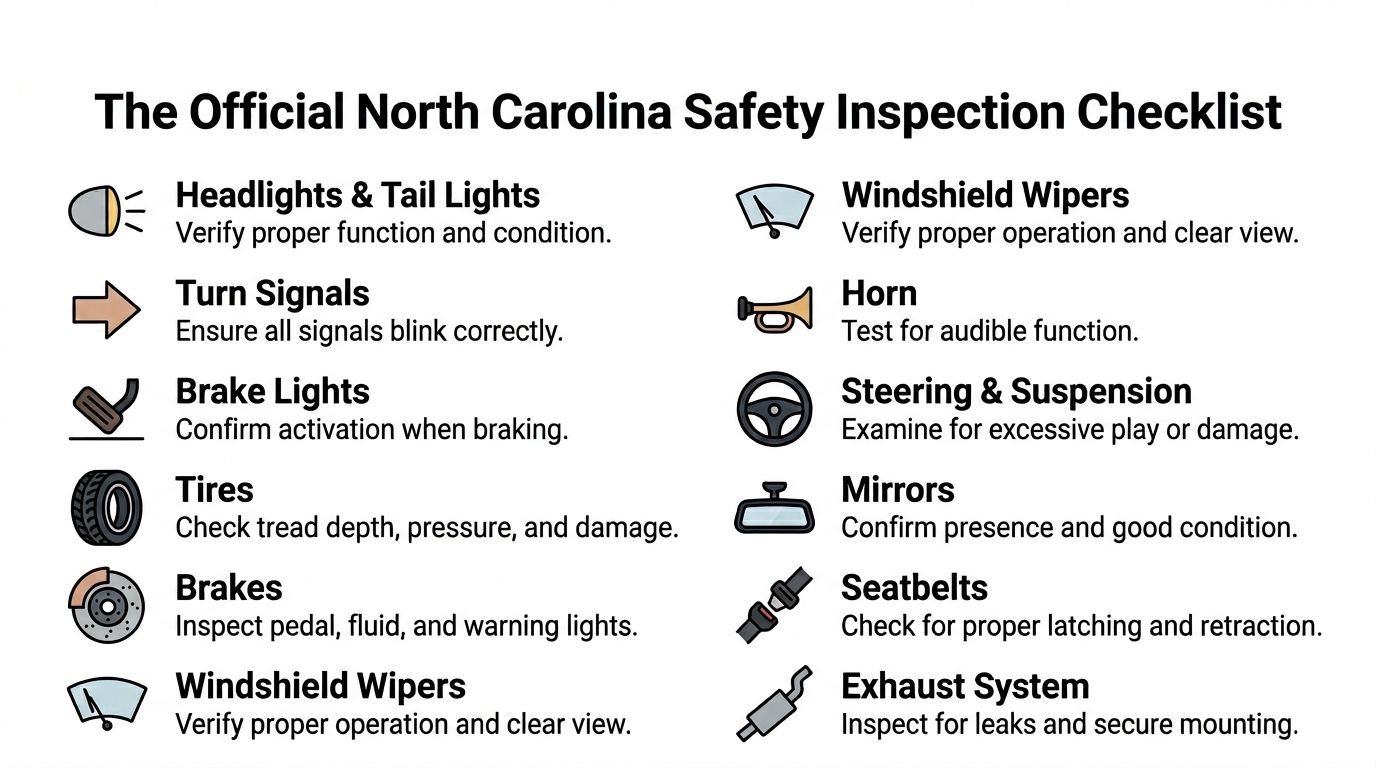
North Carolina’s safety inspection focuses on the parts that affect whether the car can be driven safely on public roads. The shop is typically checking your brakes, tires, lights, horn, windshield and wipers, steering, suspension, and exhaust-related safety items. A good way to look at it is this. The inspector is asking, “Can this vehicle stop, steer, signal, and let the driver see clearly?”
Tires, brakes, and what the shop checks first
Start with the items that carry the car and stop it.
Your tires need enough tread to grip the road, especially in a summer downpour. In North Carolina, the minimum tread depth is 2/32 inch. The penny test is a useful driveway check, but do not stop there. Look for uneven wear, sidewall bubbles, exposed cords, or deep cracks. A tire can have barely enough tread in one spot and still fail because another area is worn down.
Brakes are similar. A car that still stops at a traffic light can still have inspection problems. The technician may look at pad or shoe wear, rotor or drum condition, brake hoses or lines, and whether the parking brake holds properly. If the pedal feels soft, the car pulls to one side, or you hear grinding, deal with that before your appointment. Waiting often turns a smaller repair into a larger one.
Lights, horn, and visibility items
This group causes a lot of preventable failures because the checks are simple and drivers rarely test everything at once.
Walk around the vehicle and confirm these work:
- Headlights: Low and high beams should operate properly.
- Brake lights: Have someone press the pedal while you check the rear.
- Turn signals: Front and rear signals should flash normally.
- Tag light: Easy to miss, easy to fail on.
- Horn: It should be clearly audible.
- Windshield wipers and washers: They should clear the glass well enough for safe visibility.
Replacing a bulb at home is a minor cost, but having it fail during an inspection leads to wasted time and a required re-check.
Pay attention to the windshield itself too. Damage in the driver’s line of sight can become a problem, and wiper blades that chatter, skip, or leave heavy streaks are telling you they are done.
Steering, suspension, exhaust, and related parts
These parts are harder to judge in the driveway, but your car gives clues. Loose steering, clunking over bumps, uneven front tire wear, or a vehicle that drifts in its lane can point to suspension or steering trouble. An exhaust leak often announces itself with extra noise or fumes.
You do not need to diagnose every part yourself. You just need to notice symptoms early. That is the budget-friendly move. Catching a worn component before inspection gives you time to compare repair options instead of approving work on the spot because your registration deadline is close.
For a broader maintenance overview before your visit, a practical reference is this car safety inspection checklist.
One more note on seat belts. If your vehicle has warning chimes or seat belt alerts acting strangely, do not treat that as something to work around without understanding the system first. The Seat Belt Extenders guide to alarm deactivation explains the issue in more detail.
A quick pre-check list you can do at home
Set aside ten minutes before you head to the shop. That small habit can save you an extra trip.
- Check tread on all four tires: Look for low spots and sidewall damage, not just one clean test point.
- Test every exterior bulb: Headlights, brake lights, turn signals, reverse lights, and the tag light.
- Run the wipers with washer fluid: Watch for streaking, skipping, or missed areas.
- Press the horn: Make sure it sounds normal.
- Try the parking brake safely: It should hold the vehicle as expected.
- Notice warning signs: Fluid spots, grinding, pulling, bouncing, or loud exhaust noise are all worth addressing first.
That is the real checklist that saves money. The state has its inspection list, but your advantage comes from finding problems on your schedule, with time to choose the fix instead of reacting to a failed sticker.
Common Inspection Failures and Easy Pre-Check Fixes
Some inspection failures are expensive. Many aren’t. The most frustrating ones are the failures you could have caught in five minutes at home.
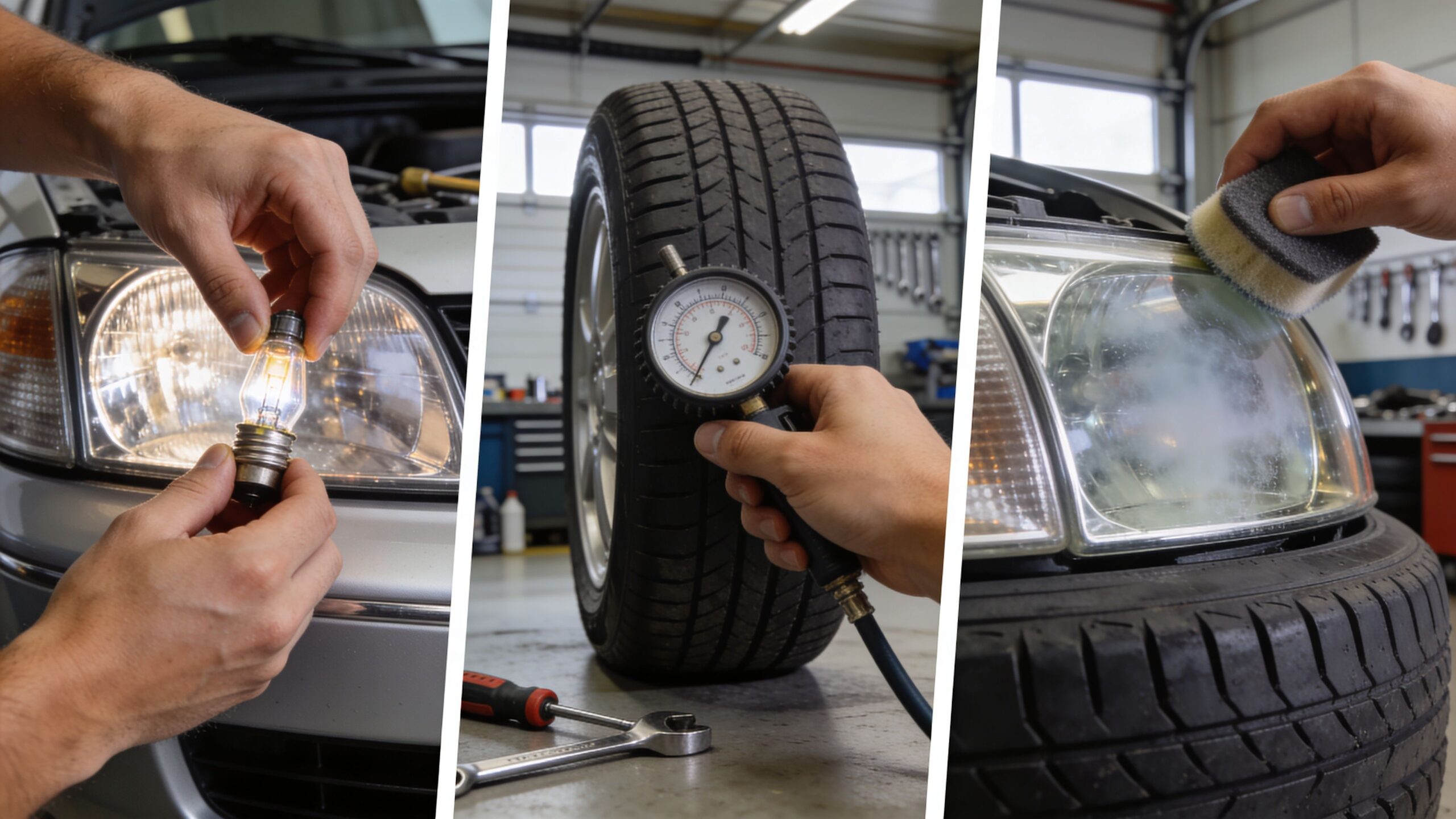
A driver comes in convinced the car is fine. Then a headlight is out, the wiper blade is split, or the tint meter says the windows are too dark. None of those feels dramatic when you’re driving to work, but each one can stop the inspection cold.
The easy stuff that still fails cars
These are the kinds of problems that show up all the time:
- A single dead bulb: Drivers often miss a brake light or tag light because they don’t walk around the vehicle while someone else works the controls.
- Wiper blades that chatter or smear: If they leave streaks, visibility becomes the issue.
- Tires near the limit: A tire can look “okay” from a distance and still be too worn.
- A weak parking brake: You may not notice it until the inspection requires it to hold properly.
- Ignoring warning signs: Pulling in with obvious issues rarely saves money.
One of the best habits is doing a mini inspection when you wash the car or fill up. You’re already outside. Flip on the lights, look at the tires, and notice what changed.
Window tint is a common surprise
Tint catches a lot of people because they assume if they bought the car that way, it must be legal. That isn’t always true.
North Carolina tint rules are a frequent failure point. The standard says the window film must allow more than 35% of light in, and a reading of 32% or less is an automatic failure, according to North Carolina tint inspection guidance.
That means “close enough” isn’t close enough.
Stock glass often passes without trouble, but aftermarket film is where problems start. If the tint looks very dark from outside, don’t assume the shop will overlook it because it “looks clean.” They use a tint meter.
Don’t argue with the meter. Check questionable tint before inspection day if you want to avoid a wasted trip.
A related visibility issue is seatbelt and dashboard warning behavior. If you’re troubleshooting cabin alerts or trying to understand why your vehicle keeps chiming, this Seat Belt Extenders guide to alarm deactivation gives useful background on how those systems work.
A simple driveway routine
Do this the evening before your appointment:
- Turn on headlights, hazards, and signals.
- Press the brake pedal while someone checks the rear lights.
- Spray washer fluid and run the wipers.
- Check each tire with a penny.
- Look at the windshield from the driver’s seat.
- Be honest about the tint.
If you want a good visual walkthrough of inspection-minded vehicle checks, this quick video is worth a look:
For an even broader maintenance mindset, this overview of what a multi-point vehicle inspection includes helps drivers understand what shops often notice beyond the basic state check.
How Much Car Inspections Cost in Greenville and How Long They Take
At this stage, many drivers get uneasy, and for good reason. There’s a real difference between the inspection fee and the total visit cost.
What we can say clearly is this: there’s a recognized lack of comparative pricing data for Greenville consumers. One provider may list a $36 inspection for 30 minutes, but that doesn’t show what happens if the vehicle fails or whether additional services get recommended, according to this Greenville service listing context.
What the base price does and doesn’t mean
The base inspection charge covers the inspection itself. It doesn’t mean your whole visit will cost that amount if the vehicle has failed items.
That’s where people feel blindsided. They hear “inspection,” think one flat cost, and then discover the actual bill depends on the car’s condition. A failed bulb is one thing. Tires, brakes, or tint correction are another.
Ask these questions before the shop starts any repair:
- What failed, specifically?
- Is the problem required for the inspection pass, or is it a separate recommendation?
- What will the repair cost before you do it?
- Can I take the vehicle and handle the repair elsewhere if I want to?
How long to expect
A straightforward inspection can be quick, especially if the vehicle is in good shape and the station isn’t backed up. The example above mentions 30 minutes, which gives a useful planning point for a basic visit.
What extends the timeline usually isn’t the inspection itself. It’s waiting for an open bay, discussing failures, authorizing repairs, or finding out a part isn’t immediately available.
Smart ways to control the total bill
A little planning makes a real difference.
| Cost question | Smart move |
|---|---|
| Will the car pass as-is | Do your own pre-check the day before |
| Am I paying for inspection only | Ask the shop to call before any repair |
| Is this recommendation urgent | Separate pass-fail items from maintenance advice |
| Will downtime cost me more | Choose a time when you can leave the car if needed |
If you manage multiple vehicles for a household or business, this matters even more. Inspection cost isn’t just the posted price. It’s also your downtime, repeat visits, and whether preventable failures keep pulling the vehicle off the road.
How to Choose an Authorized Inspection Station in Greenville
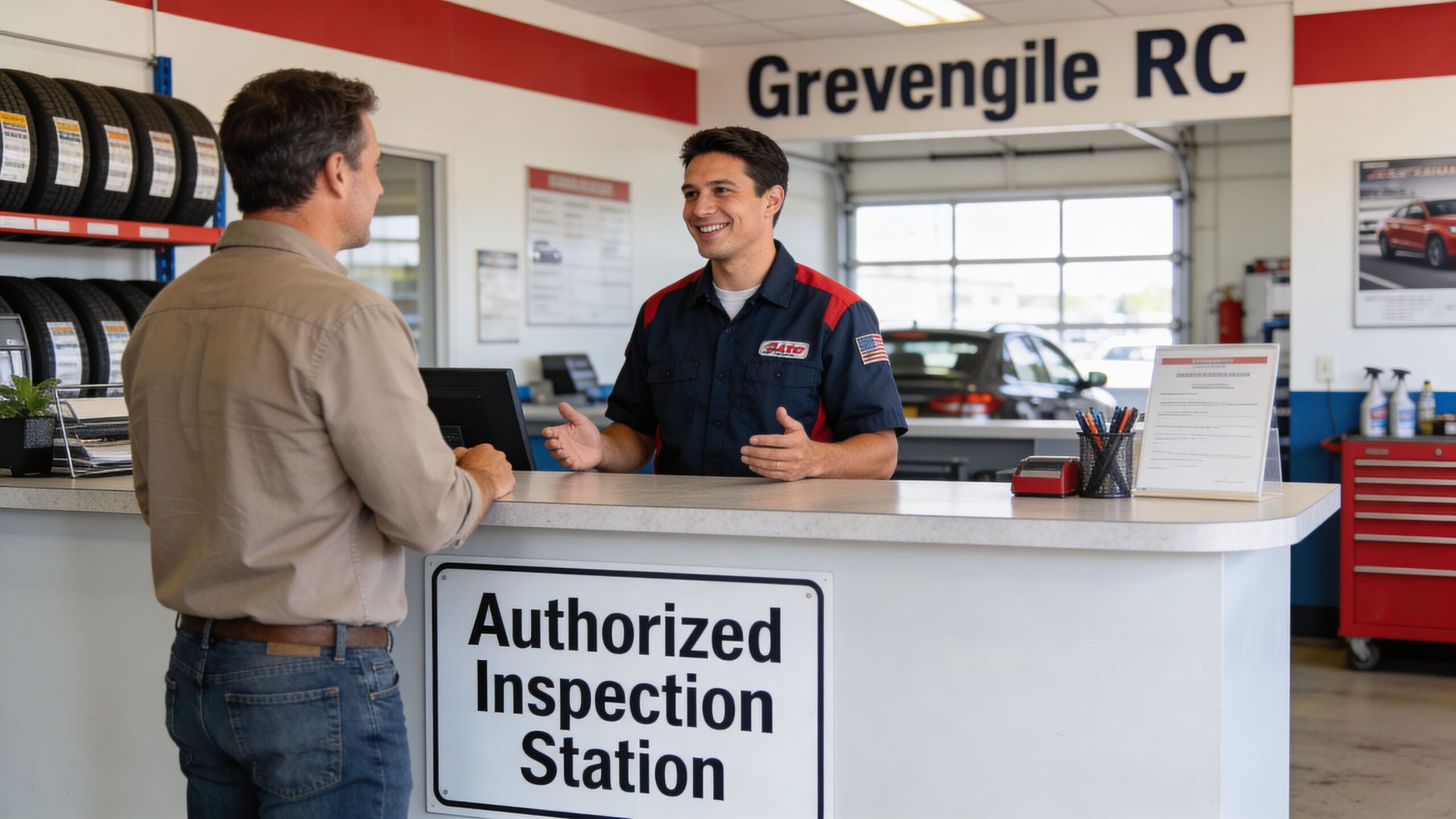
You pull into a shop for a quick inspection, then ten minutes later you are trying to sort out what failed, what is only a recommendation, and whether anyone is about to start repairs you did not approve. The state checklist may be the same from station to station, but the experience can feel very different.
A good inspection station helps you avoid confusion, repeat visits, and surprise costs. That is why location matters less than clear communication, a steady local reputation, and a process that treats the inspection as a pass-fail service first.
What to look for besides location
Start with one simple question when you call or walk in: "If something fails, will you explain the exact item before doing any repair?" That answer tells you a lot. A solid shop will explain the process plainly and make it clear that you stay in control of repair decisions.
Here are the signs I would look for:
- Clear explanations: The staff should be able to tell you what the inspector found in everyday language, not just shop shorthand.
- Approval before repairs: The shop should ask for your okay before any work begins.
- Qualified staff: ASE-certified technicians are often a good sign that training and consistent workmanship matter there.
- A steady local track record: Shops that have served Greenville drivers for years usually have a process that is more predictable and less rushed.
Reviews help, but read them like a mechanic reads a warning light. One word by itself does not tell the whole story. Skip past comments that only say "fast" or "cheap" and look for details like "explained the failure," "called before repairs," "showed me the part," or "no pressure."
Choose a station that saves money over time
The best shop for an inspection is often one you would trust with routine service too. That does not mean you need to buy repairs there on the spot. It means the shop should communicate well enough that you would feel comfortable coming back.
That matters because the actual cost of an inspection is not just the posted fee. It is also missed work time, a second trip across town, or paying for repairs you did not have time to compare. A well-run station helps you control those costs by being clear from the start.
If you are comparing shops for future service as well, this guide to automotive repair in Greenville NC can help you judge what good communication and fair repair practices look like.
Car costs tend to arrive in clusters. Inspection time often lines up with maintenance, registration renewal, and a review of your coverage. If you are looking at the full household budget, it can also make sense to compare your home and business insurance and auto-related protection with the same cost-conscious approach.
Greenville Car Inspection FAQs
You remember your registration is due next week, so you stop and wonder: do I need an inspection first, and what happens if something fails? Those are the questions that usually show up late, right when time is tight. A clear answer now can save you a rushed repair decision later.
Quick answers that matter
If your vehicle fails, start by asking the shop to name the failed item in plain language. You want the actual reason, not a vague phrase like "it didn't pass." Once you know whether the problem is a tire, a light, tint, or something else, you can compare the repair cost there with the cost at another shop.
Newer vehicles cause a lot of confusion. Some may qualify for an exemption under North Carolina rules, including certain newer vehicles with lower mileage and some special categories noted earlier in this article. Check your registration details before you assume you are exempt. That quick check can save you an unnecessary trip, or keep you from missing a required inspection.
Warning lights confuse drivers too. Greenville drivers in Pitt County generally deal with the safety inspection, not the emissions testing program drivers talk about in some other counties. Still, a warning light is like your dashboard raising its hand and saying something needs attention. Even if that light does not trigger an emissions-related problem in your county, ignoring it can still lead to repair bills that grow over time.
NC Inspection FAQ Quick Guide
| Question | Answer |
|---|---|
| Do I need an inspection every year in Greenville | Yes. Registered vehicles in North Carolina need the required annual inspection for registration renewal. |
| Do Greenville drivers get emissions tested | Pitt County is exempt from the county emissions program covered earlier, so Greenville drivers generally focus on the safety inspection. |
| What if my car fails | Ask what item failed, get the repair estimate before approving work, and decide whether to repair it there or elsewhere. |
| Can bad tint fail me | Yes. Tint is a common failure point if it does not meet North Carolina standards. |
| Can I check anything myself first | Yes. Tires, lights, wipers, horn, parking brake feel, and obvious windshield or tint issues are good pre-check items. |
| Are new vehicles exempt | Some newer vehicles may qualify for exemption under state rules. Check your registration situation before assuming you are exempt. |
A few final practical notes
Leave yourself some breathing room. If you get inspected early, a small problem stays a small problem. If you wait until the deadline, the same issue can cost you time off work, a second trip, or a repair you did not have time to price out.
That matters even more with a used car, a recent move, or a vehicle passed down from a family member. "It passed last year" does not tell you what condition it is in today. Tires wear, bulbs burn out, and tint that looked fine to one owner may still create trouble at inspection time.
A smart inspection strategy is simple. Check the easy items first, schedule before the deadline, and ask clear questions before approving repairs. That approach keeps the inspection from turning into a surprise expense and makes it part of good vehicle budgeting instead of a yearly scramble.
If you want straightforward vehicle care from ASE-certified technicians who value clear communication and fair recommendations, Express Lube & Car Care is a solid place to turn. Whether you need routine maintenance, help tracking down a warning light, or dependable repair advice that helps you avoid surprises, their team focuses on keeping your vehicle safe, reliable, and ready for the road.