

You back out of the driveway in Richland Hills, press the brake, and the pedal feels different from yesterday. That change matters. In the shop, I see brake problems start exactly this way. A little extra pedal travel, a squeal at the first stop, a longer gap before the car settles down and stops.
Brake wear is usually gradual, but the risk is not always gradual. Some symptoms point to routine pad wear. Others suggest a hydraulic problem, overheated parts, or a leak that needs immediate attention. That is why this guide does more than list common signs brakes need to be replaced. It ties each symptom to an immediacy level, explains what usually causes it, and gives Richland Hills drivers a clear next step at Express Lube & Car Care.
Brake pads do not all wear at the same rate. City driving, short trips, towing, heavy loads, and hard braking can wear them down much faster than steady highway miles. Brake fluid condition matters too. If you are not sure whether low fluid may be part of the problem, this guide on how to tell if brake fluid is low will help you spot one of the most common warning signs before it turns into a bigger repair.
The key is acting early. Catching brake trouble soon can mean replacing pads before the rotors are damaged, fixing a fluid issue before pedal feel gets worse, and avoiding the kind of brake failure that leaves you guessing whether the car will stop in time.
1. Soft or Spongy Brake Pedal
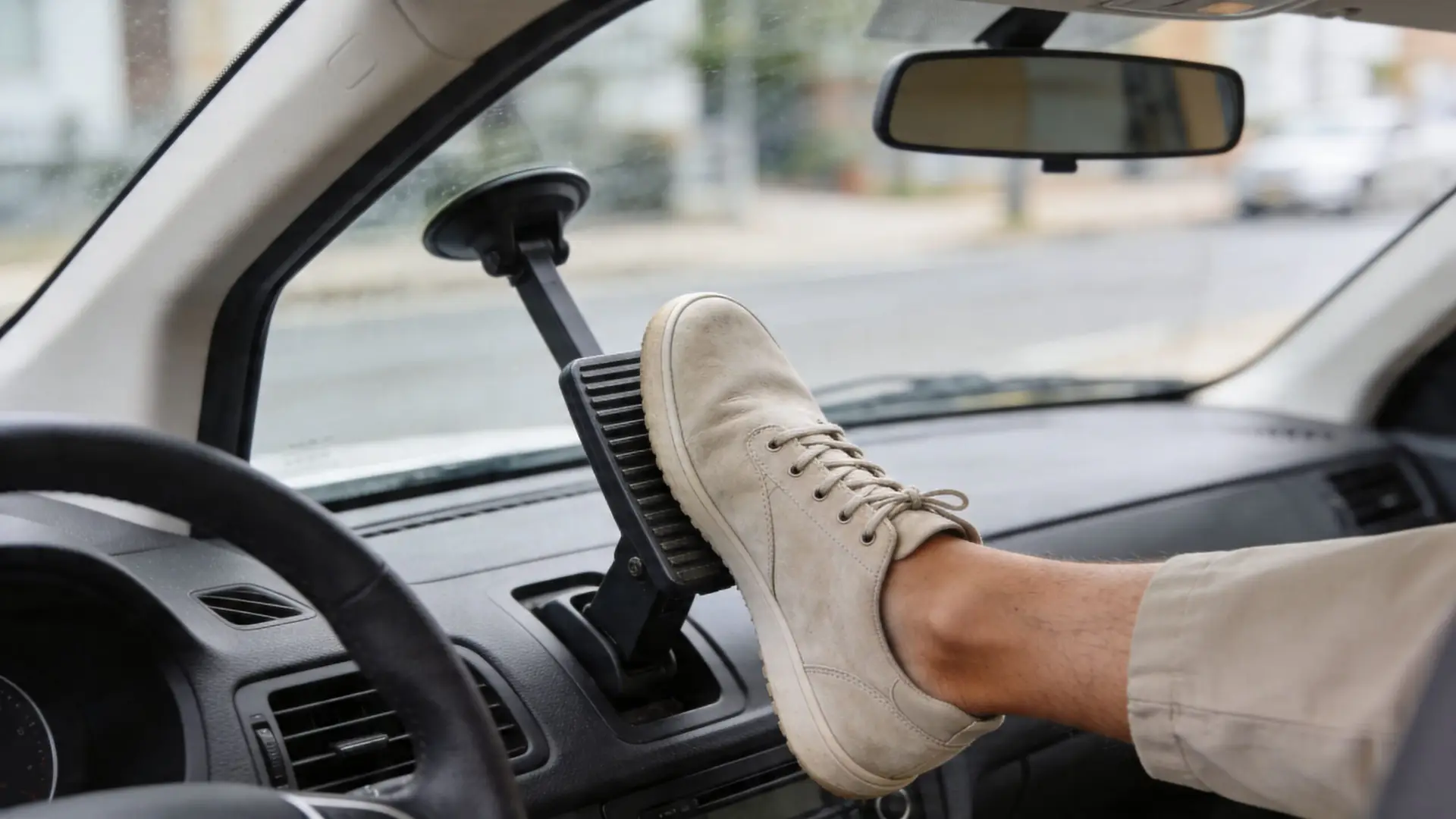
You press the brake at the first stop sign, and the pedal travels farther than it did yesterday. That is not a small change. A soft or spongy pedal is a Critical Priority symptom because it points to a brake system that may not build pressure consistently when you need it most.
This problem usually comes from the hydraulic side of the system. Air in the lines, low fluid, a failing master cylinder, a leaking hose, or a bad bleed after recent brake work can all cause the same basic complaint. The pedal feels less firm, and the car takes more pedal travel to slow down.
Why it happens and why it’s risky
Your brake system depends on sealed hydraulic pressure. If that pressure leaks out, or if air or overheated fluid gets into the equation, the pedal gets soft and stopping confidence drops fast.
Heat can make it worse. Brake fluid absorbs moisture over time, and that lowers its boiling point. The U.S. Department of Transportation’s FMVSS No. 116 brake fluid standard shows why fluid condition matters. Wet brake fluid has a much lower boiling point than fresh, dry fluid. Once fluid gets hot enough to boil, vapor forms in the system, and vapor compresses. That is one common reason a pedal feels spongy after repeated braking or heavy use.
In the shop, I usually see this complaint in a few real-world versions. A driver notices the pedal slowly getting lower over a couple of weeks. Someone else has a soft pedal right after brake service because the system still has air in it. On older vehicles, the pedal may sink because a wheel cylinder, brake hose, steel line, or master cylinder has started leaking or bypassing internally.
If the pedal suddenly changes feel, treat that as a safety issue.
What to do next in Richland Hills
Check it before you drive farther than necessary. In a driveway or parking lot, press the pedal with the engine running and pay attention to whether it feels firm, whether it sinks, and whether braking response is delayed. Then inspect the brake fluid reservoir. If you need a reference point, this guide on how to tell if brake fluid is low shows what to look for.
Do not assume a fluid top-off solves it. Low fluid usually means pad wear, a leak, or another underlying problem. At Express Lube & Car Care, the right next step is a brake inspection as soon as possible so we can identify whether the issue is trapped air, degraded fluid, a hydraulic leak, or a failing component. Sometimes the repair is straightforward. Sometimes catching it early is what keeps it from turning into a no-brake situation at the next hard stop.
2. Grinding or Squealing Noises When Braking
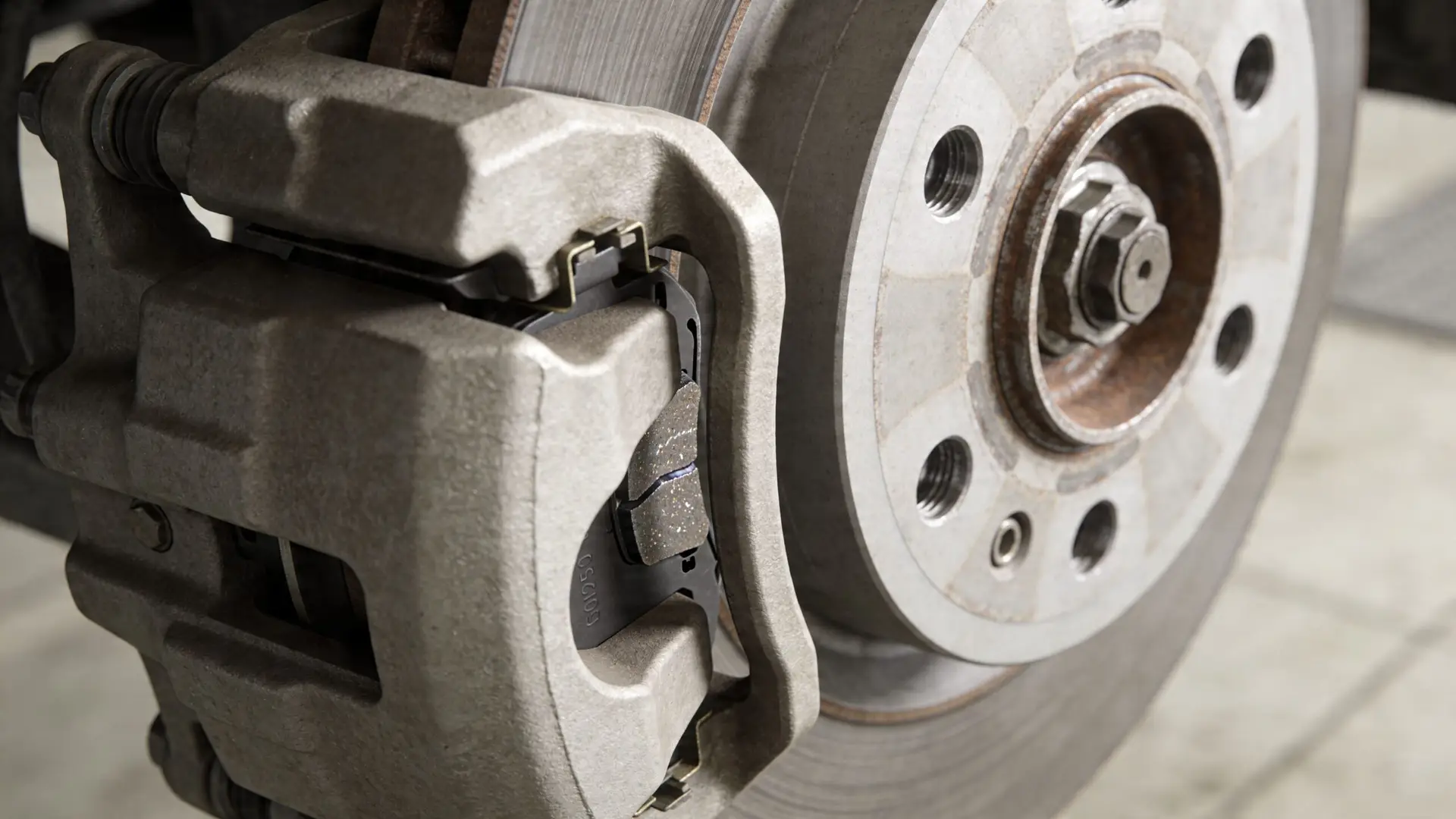
You pull up to a light in Richland Hills, press the brake pedal, and hear a sharp squeal. That sound may be your first warning that the pads are near the end of their usable life. If the noise has already turned into a metal-on-metal grind, the priority changes fast.
Priority level and the cause behind the sound
Squealing is High Priority. Grinding is Critical Priority.
Many brake pads use a built-in wear indicator that starts making noise when the pad gets thin. As NAPA explains in its brake pad replacement guide, that squeal is often the indicator contacting the rotor to warn you that inspection and pad service should happen soon. It is an early alert, not a noise to ignore for another month.
Grinding usually means the friction material is worn down far enough that metal backing or other hardware is contacting the rotor. At that point, the job often goes from pads only to pads plus rotor work, and sometimes caliper or hardware replacement if the damage has gone on too long.
Some brake noise is temporary. A little squeal on the first stop of the morning can come from surface rust or moisture after the vehicle sits overnight. Noise that repeats on normal stops, gets louder, or comes with rough braking feel is different.
What helps and what doesn’t
Helpful:
- Describe exactly when it happens: Light braking, hard braking, backing up, cold starts, or every stop all point to different causes.
- Get it checked before the sound changes: Wear-indicator squeal gives you a better chance of saving the rotors.
- Ask for the full brake inspection: Pad thickness, rotor condition, slide hardware, and caliper movement all matter.
Not helpful:
- Waiting for braking performance to get worse: Noise often starts before stopping distance noticeably changes.
- Assuming every squeal means the same repair: Pad material, rust, hardware issues, and wear indicators can all sound different.
- Replacing pads without addressing the cause: Sticking calipers and seized slide pins can ruin a new set of pads in short order.
I see this in the shop all the time. One driver comes in with a light squeal and leaves with a straightforward pad service. Another waits until it grinds and ends up needing rotors because the pad backing plate has already cut into the braking surface. That is the trade-off.
Here’s a quick visual on what worn brake hardware can look like in service:
If your brakes squeal in Richland Hills, schedule an inspection within the next few days. If they grind, stop driving farther than necessary and have Express Lube & Car Care inspect them right away. The goal is simple. Catch pad wear while it is still a pad job, before rotor damage raises the cost and the risk.
3. Visible Brake Fluid Leaks Underneath Vehicle
If you see a wet spot near a wheel, under the center of the vehicle, or around a brake component, think Critical Priority. Brake fluid leaks are one of the clearest signs that the system isn’t sealed anymore, and a hydraulic brake system only works when it can hold pressure.
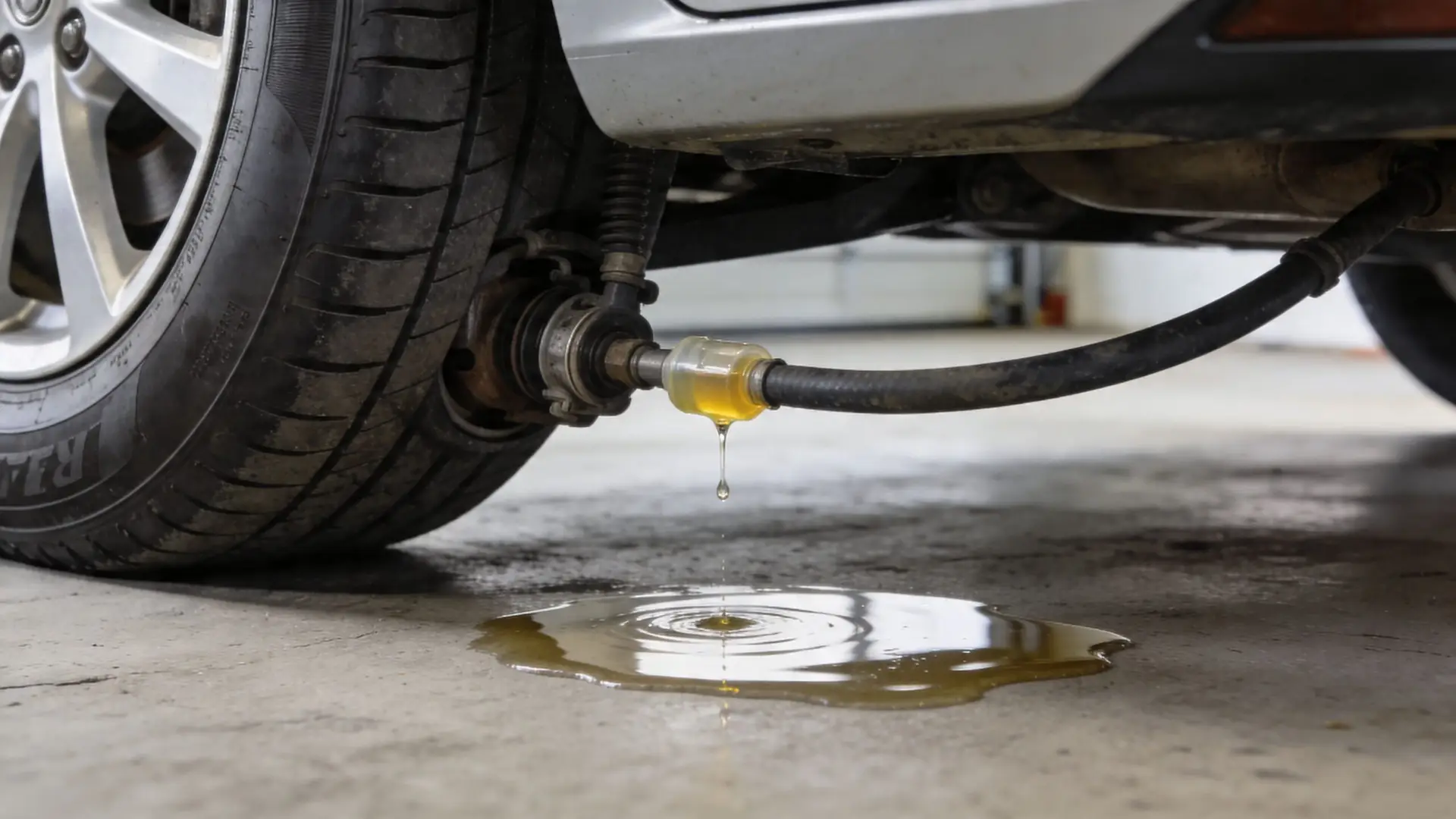
A small leak may show up as a damp area first. Then the reservoir level starts dropping. Then the pedal changes. If you wait long enough, the vehicle may lose enough pressure that emergency braking becomes a real problem.
Where leaks usually come from
Leaks can start at flexible hoses, steel lines, calipers, wheel cylinders, fittings, or the master cylinder. Older vehicles are more likely to have corrosion-related line issues. Vehicles that recently had brake work can develop leaks if a fitting wasn’t seated correctly or a line was stressed during service.
For Richland Hills drivers, weather and age both matter. Humidity, occasional freezes, and neglected fluid service all make corrosion and seal wear more likely over time. If you’ve moved from an area that uses road salt heavily, line corrosion can follow the vehicle long after winter is over.
Don’t judge a leak by puddle size. Brake systems can become unsafe before the puddle ever looks dramatic.
Immediate action step
If you suspect a brake fluid leak, limit driving and go straight to a brake inspection. Keep the trip short. If the pedal already feels weak, have it towed instead of testing your luck in traffic.
A few practical points matter here:
- Check the reservoir level carefully: Low fluid supports the diagnosis, but it doesn’t tell you where the leak is.
- Use only the specified fluid if topping off: DOT type matters.
- Ask for source confirmation: You want the technician to identify whether the leak is from a hose, line, caliper, wheel cylinder, or master cylinder.
What works is finding the leak source and repairing it correctly. What doesn’t work is repeatedly topping off fluid and calling it maintenance. Fluid doesn’t disappear on its own. If the level is dropping, the system is telling you something.
4. Pulsating or Vibrating Brake Pedal
You’re coming off Loop 820, the light turns red, and the brake pedal starts tapping back at your foot. If the steering wheel joins in, treat that as a Moderate to High Priority brake warning. The vehicle is still slowing down, but the braking force is no longer being applied evenly.
Drivers often call this “warped rotors.” That term gets used a lot in the shop, but the actual cause can vary. Rotor thickness variation, uneven pad material transfer, heat spots, or glazed pads can all create that pulsing feel.
Why the vibration happens
The brake pad needs flat, consistent contact with the rotor face. Once that surface relationship gets uneven, the caliper grabs harder in one spot and lighter in the next. That repeating change shows up as a pulse in the pedal, and sometimes as a shake in the steering wheel.
Heat is a common reason. Repeated hard stops, towing, stop-and-go traffic, and long downhill braking can push rotor and pad temperatures high enough to change how the friction surfaces behave. The result may be vibration now, then reduced braking consistency if the heat problem keeps coming back.
Severity matters here. A light pulse that shows up only during higher-speed braking usually gives you time to schedule service soon. A strong vibration every time you stop, especially if the steering wheel shakes, moves this closer to High Priority because stopping performance and driver control can both suffer.
The trade-off between resurfacing and replacement
This is where measurements matter. Some rotors can be resurfaced if there is enough material left and the wear pattern is minor. Others should be replaced because they are near minimum thickness, heat-checked, unevenly worn, or likely to develop the same problem again after machining.
That choice affects both cost and lifespan. Resurfacing can save money up front, but replacement is often the better repair if the rotor is already close to its limit or the pads have worn unevenly. If you want a clearer idea of what technicians inspect before making that call, this guide to brake rotor replacement service breaks down the process.
A pulsating pedal is a measurement problem first. Guessing leads to repeat repairs.
For Richland Hills drivers, the right next step is simple. Have the rotors, pads, and front-end braking components inspected at Express Lube & Car Care before the vibration gets worse. If the symptom started after towing, heavy traffic, or a long downhill drive, say that up front. That history helps narrow down whether you’re dealing with heat buildup, pad deposits, rotor wear, or a combination of all three.
5. Brake Warning Light Illuminated on Dashboard
You start the truck for a quick drive across Richland Hills, and the red brake light stays on. The brakes may still feel normal at first, but this warning belongs in the High Priority category right away. If the light shows up with a soft pedal, visible fluid loss, or weaker stopping power, treat it as Critical Priority and stop driving until it’s checked.
The reason is simple. That light usually points to a system problem, not just a reminder. Common causes include low brake fluid, a hydraulic pressure issue, pad wear sensors on some vehicles, a parking brake switch problem, or an ABS fault that affects how the system responds in a hard stop.
Why the brake light deserves quick diagnosis
A brake system can lose reserve capacity before it loses basic function. Around town, you may not notice much. In a panic stop, in rain, or with a full vehicle, the difference shows up fast.
The warning light is also one of the few signs that can appear before the symptom gets obvious. I see this with worn pads that lower the fluid level in the reservoir, small leaks that have not yet left a big puddle, and intermittent sensor faults after previous brake work. The light does not tell you the exact failed part. It tells you the braking system needs attention now, before the problem becomes harder and more expensive to sort out.
Brake defects are a recognized crash factor, according to the NHTSA’s report on critical reasons for crashes investigated in the National Motor Vehicle Crash Causation Survey. The takeaway for drivers is practical. Do not assume a warning light is harmless just because the car still stops in routine traffic.
What to check before you come in
A couple of safe checks can help speed up diagnosis:
- Make sure the parking brake is fully released: A partially engaged pedal or handle can trigger the light on some vehicles.
- Check the brake fluid reservoir level: If it is low, report that before testing or service begins.
- Pay attention to companion symptoms: A pull, noise, low pedal, or longer stopping distance changes the urgency and points us toward the cause faster.
At Express Lube & Car Care, the next step is to match the warning light with the full symptom pattern, then inspect the hydraulic system, pad wear, fluid level, and related sensors. Clearing the light without finding the cause is not a repair. Richland Hills drivers need an answer they can trust before the next hard stop.
6. Increased Stopping Distance or Brake Fade
You press the brake at a familiar red light in Richland Hills, and the car just does not scrub speed like it used to. That is a Critical Priority symptom because extra stopping distance can erase your margin for error in one hard stop.
Brake fade usually shows up after repeated heat cycles. Long downhill grades, stop-and-go traffic, towing, and heavy loads can all push the brake system past the temperature range where it feels consistent. The pedal may still respond, but the vehicle takes more room to stop, which is the part that puts you at risk.
Heat is only one possible cause. I also see increased stopping distance from worn pads, glazed friction material, old brake fluid that has absorbed moisture, sticking caliper slides, and rotors that are overheated or unevenly worn. Each problem changes braking force in a different way, so guessing wastes time and can miss the primary failure point. If your driving habits include short trips, city traffic, or frequent towing, this guide on how often brake pads need to be replaced gives useful context for wear patterns.
What the symptom usually means
If braking gets weaker after several stops, heat is the first suspect. Pad material can lose bite as temperatures climb, and brake fluid can also suffer when it gets too hot. If stopping distance feels longer all the time, even on a cold start, the problem is more likely wear, contamination, or a hardware issue that needs inspection right away.
A few safe habits help reduce heat buildup before you get it checked:
- Use lower gears on descents: Engine braking takes load off the pads and rotors.
- Leave more space in traffic: It gives you room if brake response is reduced.
- Avoid riding the pedal: Light, constant brake use builds heat fast.
- Tell the shop how you drive: Towing, delivery routes, and school pickup traffic all change the diagnosis.
If you tow, carry gear, or spend time on dusty roads, wheel condition can also reveal how hard the brakes are working. While you are checking the vehicle over, a good brush setup helps you clean your wheels effectively so uneven dust buildup is easier to spot.
At Express Lube & Car Care, the right next step is a full brake inspection with road-test context, not a quick pad glance. We check pad thickness, rotor condition, caliper operation, brake fluid condition, and signs of heat stress across the system. For Richland Hills drivers, this is a same-week issue, and a same-day visit is the smart move if the car suddenly needs much more room to stop.
7. Excessive Brake Dust on Wheels or Visual Pad Wear
You pull into the driveway after a normal week of driving and one front wheel is already dark with brake dust while the others still look relatively clean. That pattern matters. So does a pad that looks paper-thin through the wheel spokes.
This is usually a Schedule Soon Priority sign. It becomes a Higher Priority issue if the dust is heavy on just one wheel, the pads look uneven side to side, or you also notice noise, pulling, or weaker braking. Those combinations can point to a sticking caliper, worn hardware, or pads that are close to the end of their service life.
Brake dust by itself does not automatically mean the brakes are failing. Some pad compounds leave more dust than others. What gets my attention in the shop is a change from the vehicle’s normal pattern, especially when one wheel is much dirtier than the rest. Uneven dust often means one brake is working harder, dragging, or wearing faster than it should.
What to check without removing the wheel
Use a flashlight through the spokes and look at the pad material pressed against the rotor. You want to see actual friction material, not just the metal backing plate. If the pad looks very thin, cracked, or tapered at an angle, it needs a measured inspection.
Mileage can help with planning, but it does not confirm pad condition. Stop-and-go traffic, short trips, towing, and dusty roads around Richland Hills all change wear rates. If you want a local baseline, this guide on how often to replace brake pads gives a better service interval starting point than guessing by odometer alone.
A quick photo every few months helps more than drivers expect. Compare left to right, front to rear. If one pad area suddenly looks thinner or one wheel keeps collecting much more dust, bring that pattern with you. It shortens diagnosis time and helps us separate normal wear from a caliper or hardware problem.
A few practical checks make this easier:
- Look for side-to-side differences: One dirty wheel is more concerning than all four being dusty.
- Watch for tapered pad wear: Pads should wear evenly across the surface.
- Check the rotor face through the wheel: Deep grooves, blue heat spots, or a rough outer lip add context.
- Keep the wheel surface visible: If you want a safer way to clean your wheels effectively, use tools that help you spot fresh buildup and uneven dust patterns without damaging the finish.
At Express Lube & Car Care, the next step is simple. We measure pad thickness, compare inner and outer pad wear, inspect caliper slide movement, and check whether one wheel is running hotter or dirtier than the others. For Richland Hills drivers, this sign gives you a chance to fix brake wear before it turns into rotor damage and a more expensive repair.
7 Brake Replacement Signs, Quick Comparison
| Warning Sign | 🔄 Implementation Complexity | ⚡ Resources & Speed | 📊 Expected Outcomes (Safety Impact) | Ideal Use Cases / When to Act | ⭐ Key Advantage / 💡 Quick Tip |
|---|---|---|---|---|---|
| Soft or Spongy Brake Pedal | Moderate, requires bleed check and master‑cylinder inspection | Low–moderate parts (brake fluid, bleed kit); quick if just fluid | Restores firm pedal feel; critical safety improvement | Act immediately when pedal feels soft or sinks | Early detection prevents major repairs; check fluid reservoir before driving |
| Grinding or Squealing Noises When Braking | Low to moderate, auditory diagnosis is straightforward; repair scope varies | Pads ± rotors; may be quick (pads) or longer (rotor replacement) | Prevents rotor damage and metal contact; high safety benefit if repaired promptly | Inspect within days of hearing noise; immediate if grinding | Very noticeable cue prompting fast action; describe noise to technician |
| Visible Brake Fluid Leaks Underneath Vehicle | Moderate to high, locating source can be involved | Parts potentially substantial (lines, seals, master cylinder); may require tow | Restores hydraulic integrity; critical, risk of brake failure if ignored | Urgent, check within 24 hours; avoid long drives | Easy to spot evidence; do not drive extensively, top up only with specified fluid |
| Pulsating or Vibrating Brake Pedal | Moderate, requires rotor runout/thickness measurement | Rotors resurfaced or replaced; paired work recommended | Restores smooth braking and comfort; medium–high safety impact | Act when rhythmic vibration occurs during braking or steering | Rotor machining can save cost if within specs; avoid heavy braking after overheating |
| Brake Warning Light Illuminated on Dashboard | Low to high, requires diagnostic scan to identify fault | Diagnostic reader; parts vary from sensor to ABS module | Identifies root cause quickly; critical safety signal | Immediate inspection when light appears; check parking brake and fluid first | Electronic alert ensures issues aren’t missed; get a code read promptly |
| Increased Stopping Distance or Brake Fade | Moderate to high, multiple potential causes (pads, fluid, system) | Pads, rotors, fluid flush; may require comprehensive service | Restores stopping power; critical safety impact | Urgent, test stopping distance in safe area and seek service | Preventable with maintenance; consider upgraded pads for towing/mountain use |
| Excessive Brake Dust on Wheels or Visual Pad Wear | Low, visual inspection is simple; measurement may be needed | Minimal for inspection; pad replacement is common and fast | Prevents grinding/rotor damage if addressed before pads reach minimum thickness | Routine monitoring during wheel cleaning or maintenance visits | Easy self-check; inspect every 3–6 months and replace pads before 3–4 mm thickness |
Your Next Step for Safer Brakes in Richland Hills
You pull up to a light on Boulevard 26, press the brake pedal, and something feels off. The pedal drops lower than usual. The stop takes longer. Maybe you hear a sharp squeal or feel a shake in the steering wheel. That is the point to act, not wait.
The signs in this guide do not all carry the same urgency. A fluid leak, a very soft pedal, or major brake fade is a Critical Priority and needs immediate inspection. Squealing pads, light pulsation, or visible wear may give you a little room to schedule service, but they still need attention before they turn into rotor damage, poor stopping performance, or a more expensive repair.
One symptom does not automatically mean one repair. Grinding can mean the pads are worn out. Vibration can point to rotor issues or uneven pad transfer. A brake warning light may be as simple as low fluid, or it may signal a deeper hydraulic or ABS problem. Good brake work starts with checking the full system, then matching the fix to the cause.
That matters in Richland Hills. Stop-and-go traffic, short trips, summer heat, and heavier weekend loads all change how brakes wear. Drivers who tow or haul should pay even closer attention to heat-related brake stress. These essential travel trailer towing tips are a good reminder that extra weight changes stopping behavior and puts more demand on pads, rotors, and fluid.
At Express Lube & Car Care, the next step is simple. Bring the vehicle in for a walk-in brake inspection. An ASE-certified technician can tell you what needs attention now, what can wait briefly, and what is still in good shape. That kind of clear answer helps you make a safe decision without guessing.
If your brakes feel different, sound different, or take longer to stop the vehicle, trust that change. Brake problems rarely stay small for long. Get them checked at Express Lube & Car Care so your car stops firmly, tracks straight, and feels right every time you hit the pedal.