

Vehicle maintenance is the practiced routine of inspecting and servicing your car to prevent accidents, breakdowns, and costly repairs during your daily commute in Richland Hills. Over 50% of roadside inspection violations are directly linked to neglected upkeep. That number tells you something important: most roadside failures are not bad luck. They are the predictable result of skipped service. Whether you drive surface streets through North Richland Hills or hop on Loop 820 every morning, understanding why Richland Hills drivers need maintenance is the first step toward a safer, more reliable ride.
Why Richland Hills drivers need maintenance: the core case
Preventive maintenance is the industry term for scheduled inspections and servicing performed before a problem develops. The goal is simple: catch small issues before they become expensive ones. For Richland Hills drivers, this matters more than many realize because local conditions, including Texas heat, stop-and-go traffic on Highway 183, and high summer humidity, accelerate wear on tires, brakes, and cooling systems faster than mild climates do.
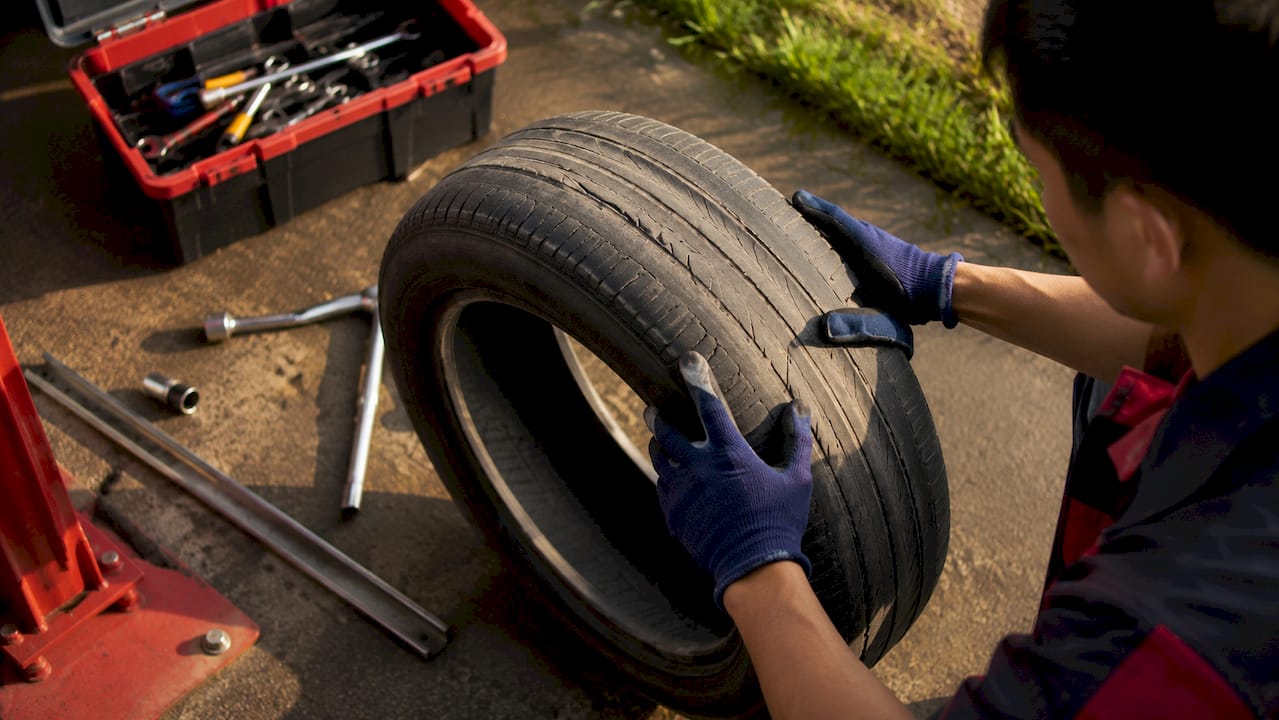
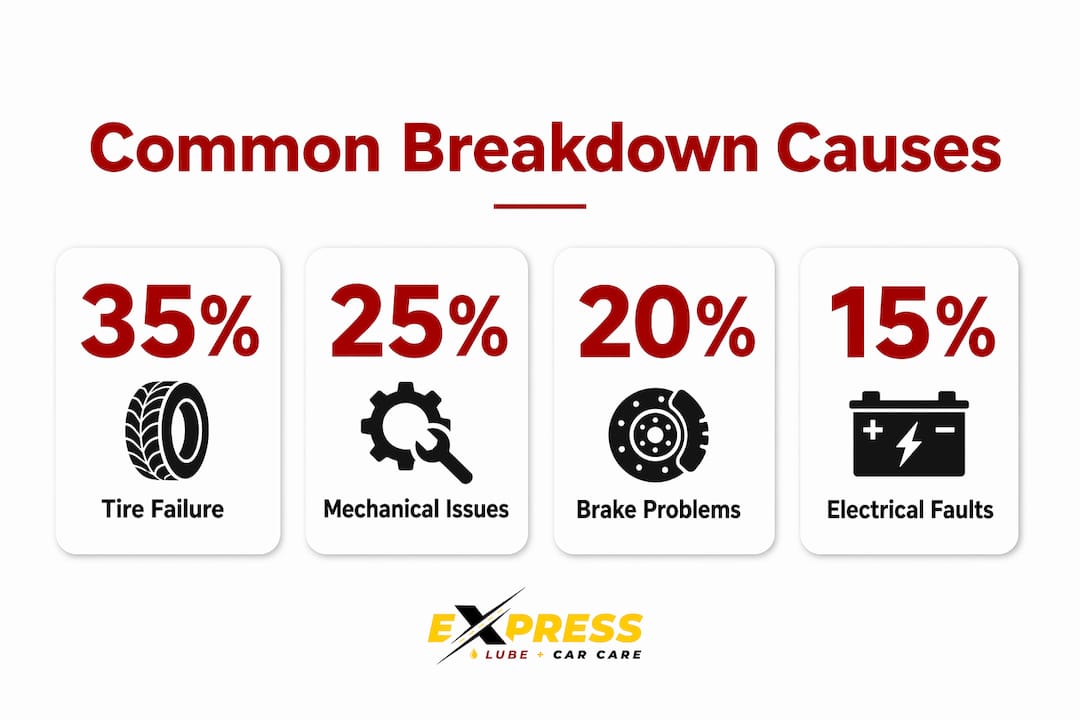
Tire failure is the top cause of vehicle breakdowns in 2026 industry data. A tire that looks fine at a glance can carry uneven tread wear or a slow air leak that turns into a blowout at highway speed. Catching that during a routine inspection costs almost nothing. Replacing a blown tire on the side of Loop 820 during rush hour costs you time, money, and nerves.
Express Lube & Car Care serves Richland Hills drivers with exactly this kind of proactive service, from oil changes to full safety inspections, all performed by ASE-certified technicians without requiring an appointment.
What are the most common maintenance issues that cause breakdowns?
Three systems cause the overwhelming majority of roadside failures: tires, brakes, and lighting. Lighting, tire condition, and brakes are the most common inspection items cited in roadside violations. Each one is also among the easiest to address with regular checks.
Here is what to watch for across each system:
- Tires: Uneven tread wear, low pressure, sidewall cracking, and slow leaks. Texas heat accelerates rubber degradation, so visual checks every two weeks pay off.
- Brakes: Squealing, grinding, or a soft pedal are warning signs. Brake fluid absorbs moisture over time, reducing stopping power even when pads look acceptable.
- Lighting: Burned-out brake lights and headlights are instant inspection failures. A bulb costs a few dollars. A citation or a rear-end collision costs far more.
- Fluids: Engine oil, coolant, power steering fluid, and transmission fluid all degrade. Low or dirty fluid accelerates internal wear and can cause catastrophic engine damage.
Mechanical issues cause a significant share of roadside inspection violations that affect safety scores and insurance costs. For everyday drivers, that translates directly into higher premiums and unexpected repair bills. The fleet vehicle maintenance checklist used by fleet managers in 2026 covers these same categories, and the logic applies equally to personal vehicles: consistent checks prevent the failures that ground your commute.
How does vehicle maintenance impact driver safety and comfort?
The connection between a well-maintained car and driver safety goes deeper than avoiding breakdowns. Heat stress contributes to 14% of vehicle-related fatalities during summer months. In Richland Hills, where July temperatures regularly exceed 100°F, a failing air conditioning system is not just uncomfortable. It is a genuine safety risk.
When your cabin stays hot, your body works harder to regulate temperature. That physical strain increases fatigue, slows reaction time, and reduces focus. A driver who is sweating through a 45-minute commute on a Texas afternoon is not operating at full capacity. Failing HVAC systems reduce driver comfort and increase the risk of distraction-related incidents, and HVAC repairs average $680 per service when deferred too long.
Pro Tip: Check your cabin air filter every 15,000 miles. A clogged filter forces your AC to work harder, reduces airflow, and can make your car feel like it is blowing warm air even when the system is technically functional.
Reliable, well-maintained equipment reduces driver fatigue and mental distraction on the road. When your car is making a strange noise or pulling to one side, part of your brain is always tracking that problem instead of the road ahead. Persistent mechanical issues lead to slower reaction times and poor decision-making. Fixing the noise fixes your focus.
Key comfort and safety systems to maintain for Richland Hills commutes:
- AC and cabin air filter: Critical for Texas summers. Recharge refrigerant and replace filters on schedule.
- Power steering: A stiff or unresponsive wheel increases driver effort and reduces control in tight situations.
- Suspension and alignment: Poor alignment causes tire wear and makes the car harder to control, especially on uneven roads.
- Windshield wipers: Streaky wipers in a Texas thunderstorm are a visibility hazard. Replace blades every six months.
How can Richland Hills drivers schedule effective preventive maintenance?
Preventive maintenance works best when it follows a realistic schedule tied to your actual driving habits, not a generic calendar. Maintenance intervals should be based on vehicle usage, operating environment, and mileage rather than arbitrary schedules. If you drive 20,000 miles a year on hot Texas roads, your vehicle needs more frequent attention than the owner’s manual written for average national conditions suggests.
A practical maintenance routine for Richland Hills drivers looks like this:
- Every oil change visit (3,000–5,000 miles): Check tire pressure and tread depth, inspect all fluid levels, test lights front and rear, and look at wiper blade condition.
- Every 15,000 miles: Replace cabin air filter, inspect brake pads and rotors, check alignment, and have the battery tested.
- Every 30,000 miles: Flush and replace coolant, inspect belts and hoses, service the transmission fluid, and check the AC refrigerant level.
- Annually: Full brake inspection, tire rotation, and a comprehensive safety check covering suspension, steering, and exhaust.
Pro Tip: Bundle services whenever possible. Combining an oil change with a tire rotation and brake inspection during a single visit saves time and often reduces the total cost compared to separate appointments.
Planned maintenance prevents downtime costs like emergency tows, missed work, and expensive secondary vehicle damage. Scheduling service during a natural downtime, such as a Saturday morning or a lunch break, keeps your week intact. Consistent daily checks identify emerging problems early before they become roadside emergencies. A quick walk-around before you leave for work takes 60 seconds and can catch a low tire or a burned-out brake light before it becomes a problem on the road.
For drivers who want a deeper look at building a routine, the guide on preventive vehicle maintenance covers the full framework in plain language.
What are the consequences of neglecting vehicle maintenance?
Skipping maintenance does not save money. It delays costs while making them larger. Here is what neglect actually produces:
- Emergency repair bills: A $30 oil change skipped for 10,000 miles can turn into a $4,000 engine repair. Sludge buildup from old oil destroys bearings and seals.
- Inspection failures: Vehicles with worn brakes, bad tires, or broken lights fail safety inspections. That means registration holds and fines until repairs are completed.
- Higher insurance costs: Roadside violations and at-fault accidents linked to poor vehicle condition can raise your premiums significantly.
- Reduced vehicle lifespan: A car that receives consistent care routinely lasts 200,000 miles or more. One that does not often develops compounding failures well before that.
“Small issues like tire tread wear or air leaks, if unchecked, can lead to major roadside issues or inspection failures. Consistent checks identify emerging problems early before they become expensive emergencies.”
Consistent preventive maintenance enhances reliability and reduces the mental stress of unexpected breakdowns. That stress is real. A driver who is worried about whether their car will make it through the week is carrying a cognitive load that affects every commute. Reliable Richland Hills car care removes that burden entirely.
If you have ever dealt with a breakdown that could have been avoided, the guide on finding reliable car maintenance near Richland Hills walks through what to look for in a local service provider.
Key Takeaways
Regular vehicle maintenance is the single most effective way for Richland Hills drivers to prevent breakdowns, avoid costly repairs, and stay safe on local roads year-round.
| Point | Details |
|---|---|
| Tire failure leads breakdowns | Tire condition is the top cause of roadside failures; check pressure and tread every two weeks. |
| Heat raises safety risk | Heat stress contributes to 14% of vehicle-related fatalities; maintain AC systems before summer. |
| Neglect multiplies costs | Skipped oil changes and deferred repairs create compounding damage that costs far more to fix. |
| Schedule by mileage, not calendar | Base maintenance intervals on your actual driving distance and Texas road conditions. |
| Mental focus depends on reliability | A well-maintained car reduces driver distraction and improves reaction time on the road. |
What we see every day at Express Lube & Car Care
We work with Richland Hills drivers week in and week out, and the pattern is consistent. The drivers who come in regularly for oil changes and quick inspections almost never face the big, expensive surprises. The drivers who show up in a panic usually have one thing in common: they waited until something felt wrong.
Here is the part most articles skip. A car does not go from fine to broken overnight. There is always a warning period, a noise that gets a little louder, a vibration that shows up at highway speed, a light that flickers before it burns out. The problem is that those signals are easy to dismiss when life is busy. That is exactly when they should not be dismissed.
We have seen a $25 brake pad replacement turn into a $900 rotor and caliper job because a driver waited three months after the squeal started. We have seen a slow tire leak become a blowout on 820 because someone kept meaning to get it checked. These are not freak accidents. They are the predictable result of deferred attention.
The good news is that building a maintenance habit is genuinely simple. Pick a mileage interval, stick to it, and let a shop you trust handle the details. That is the whole system. The peace of mind that comes from knowing your car is in good shape is worth more than most drivers realize until they have experienced the alternative.
— Express Lube & Car Care
Keeping your Richland Hills commute on track
Express Lube & Car Care makes it straightforward for Richland Hills drivers to stay ahead of maintenance without rearranging their schedules. Walk-in service means no appointment needed, and ASE-certified technicians handle everything from oil changes to AC repairs and full safety inspections.
Current oil change and service specials make it easy to bundle routine services at a price that fits a real budget. For drivers who need more than a quick oil change, Express Lube’s certified auto repair services cover brakes, suspension, and complex repairs backed by RepairPal certification. And with Texas summers being what they are, the AC repair and recharge service keeps your cabin cool and your focus on the road where it belongs. Stop in when it works for you.
FAQ
What is the most common cause of vehicle breakdowns in 2026?
Tire failure is the leading cause of breakdowns according to 2026 industry data. Regular pressure checks and tread inspections catch most tire problems before they become roadside emergencies.
How often should Richland Hills drivers get an oil change?
Most vehicles need an oil change every 3,000–5,000 miles, though your owner’s manual and driving conditions should guide the exact interval. Texas heat and stop-and-go traffic can shorten that window.
Does skipping maintenance affect vehicle inspection results?
Yes. Worn brakes, bad tires, and broken lights are the most common reasons vehicles fail safety inspections. Addressing these items during routine service prevents inspection failures and the fines that follow.
How does a failing AC system affect driver safety?
Heat stress contributes to 14% of vehicle-related fatalities during summer months. A failing AC system increases cabin temperature, accelerates driver fatigue, and reduces reaction time on the road.
Can I walk into Express Lube & Car Care without an appointment?
Yes. Express Lube & Car Care accepts walk-in customers for oil changes, inspections, AC service, and most routine maintenance, making it easy to fit service into a busy Richland Hills schedule.