

An honest auto repair shop is defined by transparent communication, written documentation, and diagnostic evidence that together protect you from unnecessary costs. Most car owners only think about shop integrity after something goes wrong. Recognizing the right signals before you hand over your keys puts you in control. This guide covers the clearest indicators of a trustworthy shop, from written estimates to warranty terms, so you can make a confident call every time.
1. Signs of an honest auto repair shop start with written estimates
A reputable shop provides a written estimate before touching your vehicle. That estimate should break down parts, labor, and any additional fees in clear line items. Written estimates are a primary trust signal recognized by consumer advocates and insurers alike. Vague verbal quotes leave you with no recourse if the final bill looks nothing like what you were told.
The estimate should also specify whether parts are new, used, or rebuilt. That distinction affects both cost and durability, and an honest shop will tell you upfront. If a shop refuses to put anything in writing before starting work, treat that as a firm red flag.
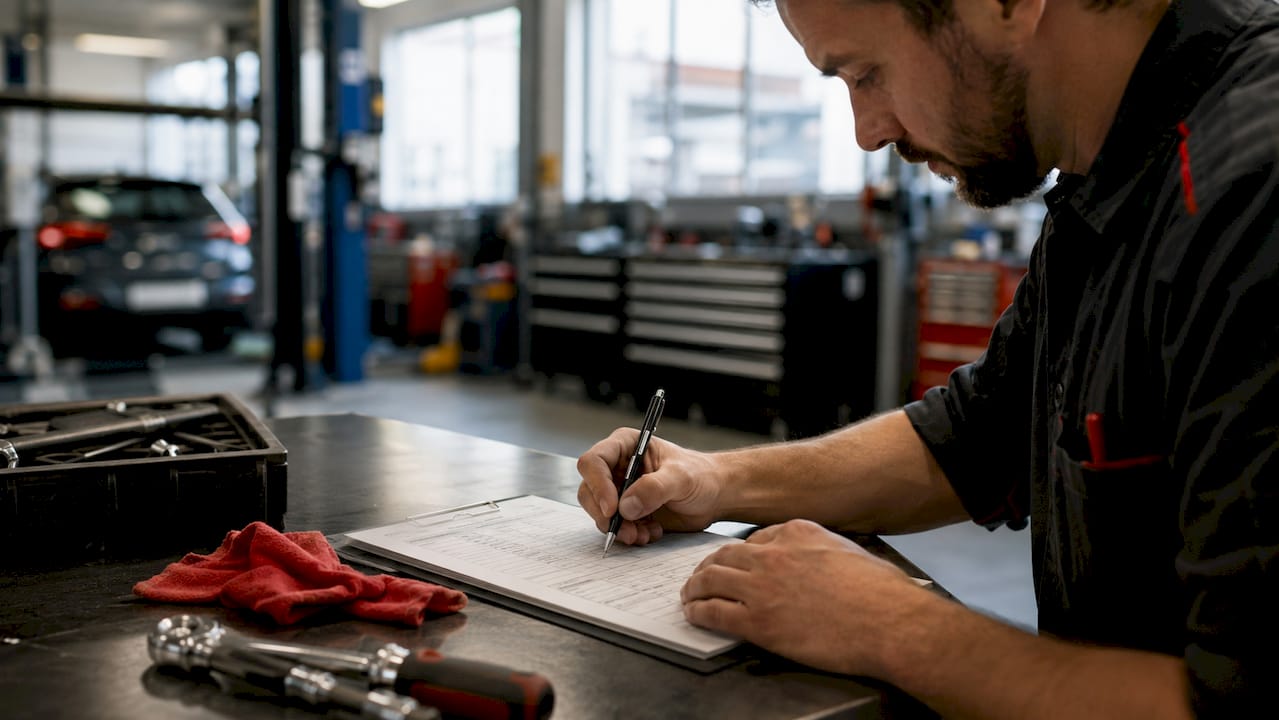
Pro Tip: Ask for the estimate in writing even for small jobs. The habit protects you on every visit, not just major repairs.
2. Invoices that match the estimate
The final invoice is where integrity either holds or breaks down. Comparing verbal quotes, written estimates, and final invoices for consistency is one of the most practical integrity tests you can run on any shop. A trustworthy shop’s invoice will match the estimate within a small, pre-authorized margin.
State repair laws in many jurisdictions require shops to get your authorization before exceeding the original estimate by more than a set amount. Colorado’s Motor Vehicle Repair Act, for example, sets clear rules on documentation and consumer rights that protect drivers from surprise charges. Knowing your state’s version of these rules gives you real leverage.
- The invoice should list every part replaced, with condition noted (new, used, rebuilt)
- Labor charges should match the rate quoted at the start
- Any additions beyond the original scope need your written or recorded verbal approval
- Keep every estimate and invoice together for warranty claims later
3. Showing you the actual problem
Trustworthy shops show customers the actual problem areas on the vehicle and explain issues in plain terms. Refusal to show problems or excessive jargon are recognized red flags in auto repair. A worn brake pad, a cracked hose, or a leaking gasket is something you can see with your own eyes. An honest mechanic will walk you over to the lift and point it out.
This matters because it removes the guesswork from your decision. When you can see the worn part yourself, you are not relying on trust alone. You are making an informed choice based on physical evidence.
Pro Tip: If a shop says you need a repair but won’t show you the part or the problem area, ask directly: “Can I see it?” A good shop will say yes without hesitation.
- Showing worn or damaged parts proves the repair is necessary
- Plain language explanations indicate the mechanic respects your ability to understand
- Explaining part options (OEM vs. aftermarket) gives you real choice
- Separating urgent repairs from optional ones lets you prioritize spending
4. Diagnostic-first behavior before any repair work
Honest mechanics prioritize explaining diagnostics and the reasoning behind repairs rather than just listing services. Diagnostic-first behavior means the shop identifies the root cause before recommending a fix. A shop that jumps straight to a repair list without explaining what they found and how they confirmed it is cutting corners on your behalf.
Here is what diagnostic transparency looks like in practice:
- The technician runs tests or inspections and records the results
- They explain what failed, why it failed, and how the failure was confirmed
- They share evidence such as photos, scan tool readings, or physical parts
- They rank repairs by urgency so you can make a phased plan if needed
- They welcome a second opinion without pressure or attitude
That last point is telling. A shop that discourages second opinions is a shop that knows its recommendation might not hold up to scrutiny. Confidence in honest work means welcoming outside verification.
5. ASE certification and price benchmarking
ASE certification is a baseline competence indicator, not a guarantee of honesty, but it does confirm that technicians have passed standardized tests in their specialty areas. Shops that employ ASE-certified technicians have cleared a meaningful professional bar. You can verify ASE credentials by asking to see the certification or checking the shop’s posted credentials.
Price benchmarking is the other half of the fairness equation. Use tools like RepairPal or a resource like this auto repair cost comparison to check whether a quote falls within a reasonable range for your area. A quote that runs significantly higher than the regional average deserves an explanation.
| Signal | What it tells you |
|---|---|
| ASE-certified technicians | Technicians have passed standardized competency tests |
| Quote matches regional benchmarks | Pricing is fair and not inflated for your situation |
| High-pressure upsells | Shop may be padding revenue, not serving your needs |
| Unexplained price jump from estimate | Integrity gap between quote and final bill |
6. Willingness to accept second opinions
A shop that is confident in its diagnosis will not pressure you to decide on the spot. Openness to second opinions signals that the shop stands behind its findings. High-pressure tactics like “we need to start this today or your car won’t be safe to drive” are a classic manipulation pattern. Urgency is sometimes real, but it should be explained with evidence, not used as a closing tactic.
If a shop gives you a major repair recommendation, take the written estimate to one other shop for a comparison. An honest shop will not penalize you for doing so. In fact, many reputable mechanics will tell you to get a second opinion themselves.
7. Building a relationship before you need emergency repairs
Establishing a maintenance relationship before emergency repairs lowers your risk of poor outcomes significantly. When a shop already knows your vehicle’s history, they have a baseline for what is normal and what is new. That context makes their recommendations more reliable and harder to manipulate.
Routine oil changes and tire rotations are low-stakes visits that let you evaluate a shop’s communication, pricing, and documentation habits without pressure. Think of them as auditions. If the shop handles the small stuff with transparency and accuracy, you can trust them with the bigger jobs.
8. Clear, documented warranty terms
Honest shops typically offer at least a 12-month or 12,000-mile warranty on parts and labor. Warranty coverage is a direct sign of shop accountability. A shop that stands behind its work will put that commitment in writing without being asked.
Watch for these specifics when reviewing warranty terms:
- Coverage period stated clearly (months and mileage, not just one or the other)
- Parts and labor both covered, not just parts
- Process for filing a warranty claim explained before you leave
- Exclusions listed in plain language, not buried in fine print
Vague warranty language like “we’ll take care of you” is not a warranty. Get the terms in writing before you authorize any repair.
9. Transparent communication throughout the repair
Transparency includes showing what was found, differentiating urgent from non-urgent repairs, and welcoming questions from customers. A shop that calls you with updates, explains any new findings before acting on them, and checks in before adding costs is operating with integrity. Silence during a repair is not a good sign.
Good communication also means the shop explains your options clearly. If there is a less expensive fix that buys time alongside a more permanent solution, an honest mechanic tells you both. You get to decide based on your budget and timeline, not their revenue goals.
10. Positive, specific customer reviews
Customer reviews for auto repair shops carry more weight when they are specific rather than generic. “Great service, highly recommend” tells you nothing. A review that says “they showed me the worn brake rotor before replacing it and the final bill matched the estimate exactly” tells you a lot. Look for patterns in reviews that mention documentation, communication, and pricing accuracy.
Trust is built more effectively through documentation and accountability than star ratings alone. A shop with 4.6 stars and dozens of reviews mentioning written estimates and honest pricing is a stronger signal than a shop with a perfect 5.0 from ten reviews. Volume and specificity together paint the most accurate picture.
Key takeaways
Honest auto repair shops prove their integrity through written documentation, diagnostic transparency, and fair pricing, not just friendly service.
| Point | Details |
|---|---|
| Written estimates are non-negotiable | Always get parts, labor, and fees in writing before authorizing any work. |
| Diagnostic evidence confirms repair need | Ask for photos, scan results, or physical parts to verify recommendations. |
| ASE certification sets a competence floor | Verify technician credentials and benchmark quotes against regional pricing. |
| Warranty terms must be documented | Get coverage period, scope, and claim process in writing before leaving. |
| Relationship beats emergency trust | Use routine visits to evaluate a shop before you need a major repair. |
What we’ve learned from years of watching shops earn and lose trust
We see a lot of car owners come in after a bad experience somewhere else. The story is almost always the same: they got a verbal quote, the final bill was much higher, and nobody showed them what was actually wrong. The frustration is real, and it is completely avoidable.
The single most useful habit I can recommend is asking for everything in writing before you say yes to anything. That one step filters out most of the shops that would take advantage of you. It is not about being difficult. It is about being a prepared customer, and any shop worth your business will respect that.
I also want to push back on the idea that star ratings are the whole story. We have seen shops with glowing averages that still use high-pressure tactics and vague invoices. Read the text of the reviews, not just the number. Look for mentions of estimates, communication, and whether the final bill matched what was quoted. Those details tell you far more than a star count.
One more thing: build the relationship before you need it. Bring your car in for an oil change or a tire rotation at a shop you are considering. Watch how they communicate, whether they explain what they checked, and whether the invoice matches what you were told. That low-stakes visit is the best audition a shop can give you.
— Express Lube & Car Care
Honest auto repair at Express Lube & Car Care in Richland Hills
Express Lube & Car Care is ASE and RepairPal certified, which means every technician has passed standardized competency tests and our pricing is benchmarked against fair regional rates. We provide written estimates before any work begins, explain what we find in plain language, and back our repairs with clear warranty terms.
No appointment is needed for most services, including oil changes. If you want to start with a low-stakes visit to see how we operate, check out our current oil change specials and come see us. We are happy to answer questions, show you what we find, and let our documentation speak for itself.
FAQ
What is the most important sign of an honest auto repair shop?
A written estimate provided before any work begins is the single most important sign. It documents parts, labor, and fees so you can hold the shop accountable to what was quoted.
How do I verify that a mechanic’s repair recommendation is legitimate?
Ask for diagnostic evidence such as photos, scan tool readings, or the worn part itself. Honest mechanics explain what failed, how they confirmed it, and why the repair is necessary.
What does ASE certification actually mean?
ASE stands for Automotive Service Excellence. An ASE-certified technician has passed standardized tests in their specialty area, confirming a baseline level of technical competence.
How can I tell if a shop’s pricing is fair?
Compare the shop’s quote against regional benchmarks using resources like RepairPal or a fair price guide. A quote that runs well above the regional average without explanation is a red flag.
What should a warranty from an honest shop include?
A solid warranty covers both parts and labor for at least 12 months or 12,000 miles, states the claim process clearly, and lists any exclusions in plain language before you leave the shop.