

A quick oil change between rideshare shifts is the single most effective maintenance habit for protecting your engine, your fuel economy, and your income. Most rideshare drivers put on 40,000 to 60,000 miles per year, and that kind of mileage under city stop-and-go conditions degrades oil far faster than a typical commuter’s schedule. Services like those at Express Lube & Car Care can complete a full oil change in 10 to 15 minutes with no appointment needed, meaning you lose almost no earning time. Getting this right is less about convenience and more about treating your car like the business asset it actually is.
What oil change intervals work best for rideshare drivers
The industry standard for most passenger vehicles is 7,500 to 10,000 miles between oil changes. That number does not apply to you. Rideshare driving qualifies as severe-duty vehicle operation, which means oil change intervals should be 20 to 30% shorter than manufacturer recommendations. In practice, that puts most rideshare drivers at a 3,000 to 5,000 mile interval.
City driving is the reason. Constant idling, short trips where the engine never fully warms up, and repeated stop-and-start acceleration all accelerate oil breakdown. Degraded oil stops lubricating engine components properly, which leads to sludge buildup and accelerated wear. Changing oil at 3,000 to 5,000 miles prevents that sludge and improves fuel economy by 1 to 2%. That fuel savings adds up meaningfully over a year of full-time driving.

| Interval type | Standard driver | Rideshare driver |
|---|---|---|
| Miles between changes | 7,500 to 10,000 | 3,000 to 5,000 |
| Oil type recommended | Conventional or semi-synthetic | Full synthetic |
| Filter change frequency | Every oil change | Every oil change |
| Annual changes (est.) | 1 to 2 | 4 to 6 |
Pro Tip: Track your mileage in a simple notes app or a tool like CarJourney. When you hit 4,000 miles since your last service, schedule the next one before your next shift starts, not after.
Synthetic vs. conventional oil: what rideshare drivers actually need
Full synthetic oil is the correct choice for rideshare vehicles. That is not a preference. Synthetic oil breaks down slower under high-duty ridesharing cycles, providing longer engine protection between changes. Mineral oils, by contrast, degrade faster under the heat and friction cycles that city rideshare driving creates. Choosing the cheapest mineral oil is a false economy because you end up changing it more often and risking engine damage in between.
Here is how the three main oil types compare for rideshare use:
- Mineral (conventional) oil: Lowest upfront cost, but degrades fastest under stop-and-go conditions. Not recommended for full-time rideshare use.
- Semi-synthetic oil: A middle-ground option that offers better heat resistance than mineral oil. Acceptable for part-time drivers with lower weekly mileage.
- Full synthetic oil: Brands like Castrol Magnatec, Mobil Super 3000, and Shell Helix HX7 are specifically engineered for high-stress engine environments. This is the right choice for anyone driving rideshare more than 20 hours per week.
Semi-synthetic and full synthetic oils deliver 1 to 2% better fuel efficiency over mineral oils. That improvement directly offsets the higher cost of synthetic oil over time. For a driver putting on 50,000 miles annually, that fuel savings is real money back in your pocket.
You can dig deeper into the cost and mileage tradeoffs between oil types if you want a full breakdown before your next service. For most full-time rideshare drivers, the math consistently favors full synthetic.
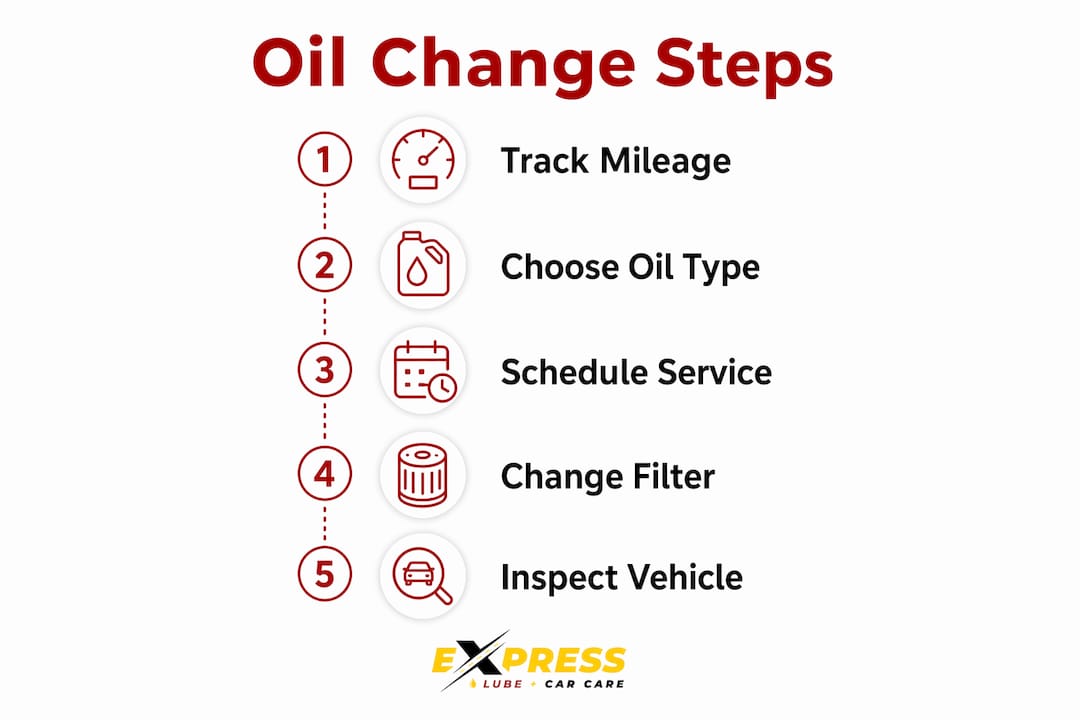
Pro Tip: Always confirm the correct viscosity grade for your specific vehicle before your service visit. Check your owner’s manual or the sticker inside your driver’s door jamb. Using the wrong grade, even a high-quality synthetic, reduces protection.
Where to get a fast oil change between shifts
A fast oil change service, also called a quick lube or express lube, is a specialized oil change format designed to get you in and out in under 15 minutes. Drive-thru and stay-in-car oil change services offer that speed without requiring you to leave your vehicle or book an appointment in advance. For rideshare drivers, that format is the only one worth using during a working day.
Here is a comparison of the main service types available:
| Service type | Avg. time | Appointment needed | Best for |
|---|---|---|---|
| Drive-thru quick lube | 10 to 15 min | No | Drivers between shifts |
| Dealership service bay | 60 to 90 min | Yes | Warranty-required service |
| National chain (e.g., Jiffy Lube) | 20 to 30 min | Sometimes | General convenience |
| Local independent shop | 15 to 30 min | Sometimes | Relationship-based service |
Local quick lube shops prioritize speed, transparency, and honest pricing, which is why many rideshare drivers favor them over national chains. A shop that knows your vehicle and your schedule will often move you to the front of the line when you show up between shifts.
Building a relationship with a trusted mechanic pays off in faster diagnostics and better service. When a shop knows you drive for Uber or Lyft full-time, they understand the urgency and can flag issues before they become expensive. Ask about rideshare driver discounts too. Many local shops offer them, even if they are not advertised. You can also review fast lube service types to understand exactly what each format includes before you pull in.
How to schedule and execute an oil change between shifts
Getting an oil change done efficiently between shifts requires a small amount of planning. The goal is to lose no more than 20 minutes of potential earning time. Follow this workflow to make it happen:
- Check your mileage at the start of each week. Know where you stand relative to your 3,000 to 5,000 mile target. Do not wait until the oil life monitor hits zero.
- Identify your lowest-earning window. For most rideshare drivers, mid-morning on weekdays (roughly 9 a.m. to 11 a.m.) sees the lowest demand. Schedule your service then, not during Friday evening surge.
- Arrive with your vehicle info ready. Know your oil type, viscosity grade, and the mileage at your last service. This cuts check-in time significantly.
- Stay in your car if the shop allows it. Drive-thru quick lube formats let you stay seated, which means you can respond to messages or check your app while the service runs.
- Do a dipstick check before you leave. Pull the dipstick, wipe it clean, reinsert it, and pull it again. The oil level should sit between the two marks. If it does not, ask the technician to correct it before you drive away.
- Get a printed or digital receipt. Record the date, mileage, oil type, and filter change. This is your maintenance log and it protects you if a warranty claim ever comes up.
Proactive maintenance prevents costly downtime during surge pricing periods. Investing $100 to $150 regularly in oil changes avoids unplanned repairs that can sideline your vehicle for days. A breakdown during a Friday night surge is not just an inconvenience. It is a direct hit to your income.
Pro Tip: Never skip the filter change. Skipping the oil filter can cause severe engine damage over time. A filter costs a few dollars and takes 30 seconds to swap. Always confirm it was replaced before you leave.
How to troubleshoot common issues after an oil change
Most oil changes go smoothly, but knowing what to watch for in the first 50 miles after service protects you from bigger problems. Here are the signs that something may need attention:
- Oil warning light stays on after service. This usually means the oil level is low or the pressure sensor was not reset. Return to the shop immediately. Do not drive more than a mile with that light on.
- Burning oil smell from the engine bay. This often means oil was spilled on a hot engine component during service. It typically burns off within a few miles, but if the smell persists past 10 miles, have it checked.
- Oil spots on the ground where you parked. A loose drain plug or filter is the most common cause. This is a shop error and they should fix it at no cost.
- Engine running louder than usual. This can indicate the wrong oil grade was used or the oil level is incorrect. Check the dipstick and compare the grade on your receipt to your owner’s manual spec.
Keep a simple maintenance log in your glove box or a notes app. Record the date, mileage, shop name, oil type, and any issues noted. This record is your first line of defense if a problem develops and you need to trace it back to a specific service.
Weekly quick inspections take less than five minutes and catch problems before they become shift-ending failures. Check the oil level on the dipstick, look under the car for any fresh spots, and listen for any new sounds when you start the engine. Rideshare vehicle maintenance done consistently at this level keeps you on the road and earning.
Key takeaways
Rideshare drivers who change oil every 3,000 to 5,000 miles using full synthetic oil, at a no-appointment quick lube shop, protect their engine and their income more effectively than any other single maintenance habit.
| Point | Details |
|---|---|
| Shorten your interval | Change oil every 3,000 to 5,000 miles, not the standard 7,500 to 10,000 miles. |
| Use full synthetic oil | Brands like Castrol Magnatec and Mobil Super 3000 hold up better under rideshare driving conditions. |
| Choose drive-thru quick lube | No-appointment express lube services get you back on the road in 10 to 15 minutes. |
| Never skip the filter | Replacing the oil filter every service prevents sludge buildup and engine damage. |
| Keep a maintenance log | Receipts and mileage records protect you from warranty disputes and help you track service timing. |
What we have learned from years of servicing rideshare drivers
Here at Express Lube & Car Care, we see a clear pattern. The drivers who come in consistently every 4,000 miles with full synthetic oil rarely have serious engine problems. The ones who stretch their intervals to 8,000 or 10,000 miles because “the car feels fine” are the ones showing up with sludge-clogged engines and repair bills that wipe out weeks of earnings.
The most common mistake we see is treating a rideshare vehicle like a personal car. It is not. A personal car might do 12,000 miles in a year. A full-time rideshare vehicle does that in three months. The operating conditions are genuinely different, and the maintenance schedule has to reflect that.
We also see drivers skip the oil filter to save a few dollars. That decision makes no sense. The filter is what keeps contaminants out of your fresh oil. Putting clean oil through a dirty filter defeats the entire purpose of the service.
Our honest advice: find a shop you trust, build a relationship with the technicians, and treat every oil change as an investment in your earning potential. Your car is your business. Protect it like one.
— Express Lube & Car Care
Get your oil changed fast at Express Lube & Car Care
Rideshare drivers in the Richland Hills area do not have time to sit in a waiting room for an hour. Express Lube & Car Care offers quick oil change specials with certified ASE technicians who understand exactly what high-mileage, high-frequency driving does to an engine.
No appointment is needed. Walk in between shifts and we will have you back on the road in about 10 minutes. We use quality synthetic oils, always replace the filter, and give you a full multi-point inspection so you know your vehicle is road-ready. Our pricing is transparent and our technicians will never recommend a service you do not need. If you want to plan ahead, you can also book your visit online to lock in a time that fits your schedule.
FAQ
How often should rideshare drivers change their oil?
Rideshare drivers should change oil every 3,000 to 5,000 miles due to severe-duty driving conditions. This is significantly more frequent than the standard 7,500 to 10,000 mile recommendation for typical passenger vehicles.
Is synthetic oil worth the extra cost for rideshare use?
Full synthetic oil is worth the cost for rideshare drivers. Synthetic oil degrades slower under high-duty cycles and delivers 1 to 2% better fuel efficiency, which offsets the price difference over time.
How long does a quick oil change actually take?
Drive-thru oil change services typically take 10 to 15 minutes with no appointment required. That makes them the most practical option for rideshare drivers working between shifts.
Do I need to change the oil filter every time?
Yes. Skipping the oil filter risks severe engine damage because a clogged filter allows contaminants to circulate through fresh oil. Always confirm the filter was replaced before leaving the shop.
What should I do if my oil warning light comes on after a service?
Return to the shop immediately. An oil warning light after a recent service usually means the oil level is incorrect or the pressure sensor was not reset. Driving with that light on can cause serious engine damage within minutes.