

Most car washes are open in winter, and winter is their busiest season, with 32% of vehicle owners using car wash services in winter compared with 25% in summer according to industry reporting on seasonal demand. For Richland Hills drivers, the question isn't whether washes open in cold weather. It's when you should use one so you remove grime and road treatment residue without dealing with frozen doors, locks, or seals afterward.
If you've looked at your car after a cold snap, a wet commute, or a run down treated highways around Northeast Tarrant County, you know the feeling. The paint looks dull, the lower panels are dirty, and the undercarriage is carrying whatever the road threw at it. In North Texas, winter doesn't usually look like a long northern deep freeze, but that doesn't mean your vehicle gets a pass.
That local driver's dilemma is simple. You need to get corrosive buildup off the car, especially around the brakes and undercarriage, but you also don't want to wash at the wrong time and create a different problem on the spot. A smart winter wash is maintenance. A poorly timed one can leave you fighting frozen handles the next morning.
Yes Car Washes Are Open But That's Not the Real Question
You leave work in Richland Hills after a cold morning, and the truck is coated along the rocker panels, wheel wells, and rear hatch. By afternoon, the temperature has climbed enough for a wash. By night, it may drop back toward freezing. That is the winter decision local drivers face.
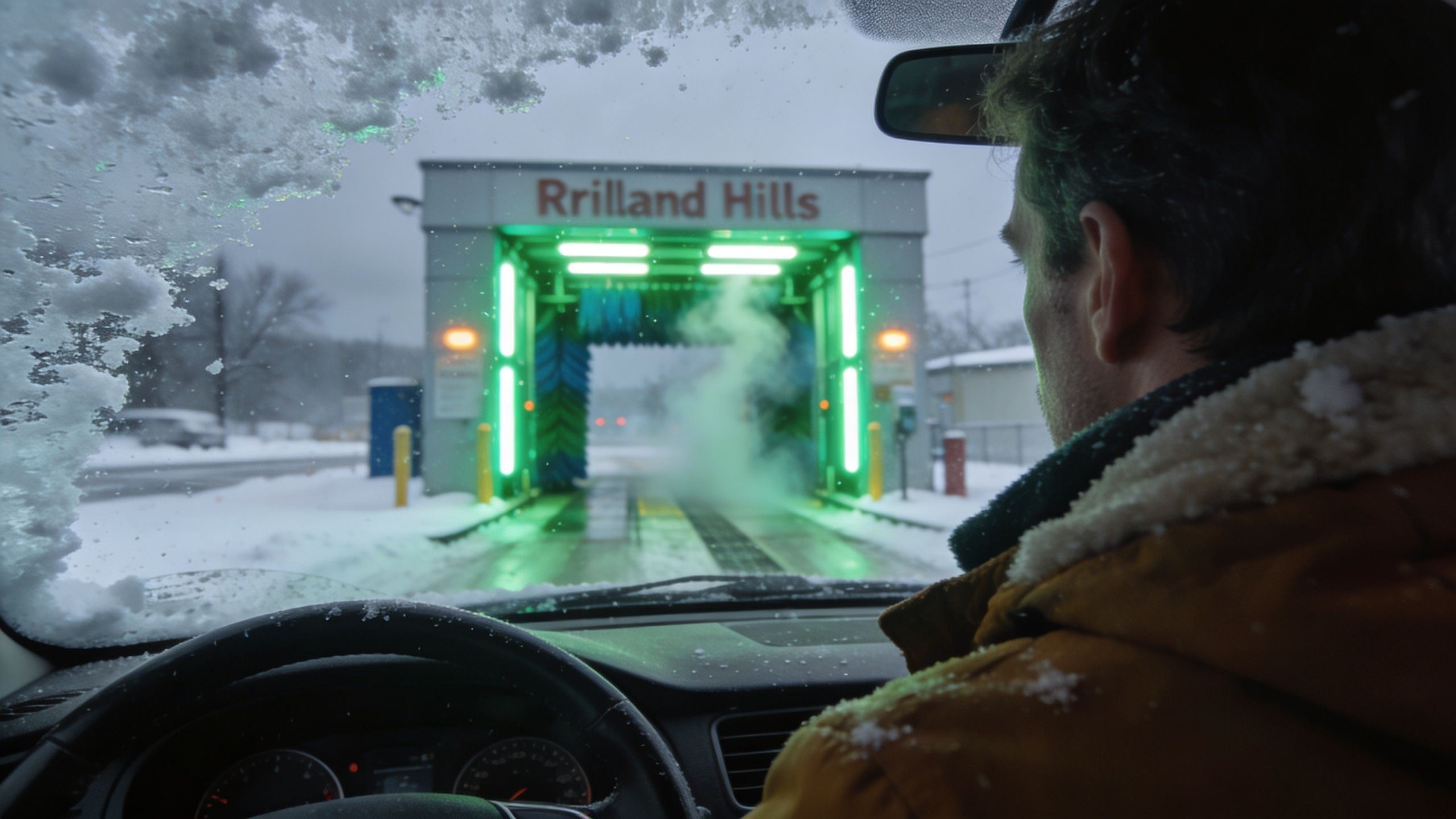
What Richland Hills drivers are really deciding
Most car washes do stay open through winter. The better question is whether your car can be washed, dried, and driven long enough afterward to keep water from freezing in door seals, locks, mirrors, and handles.
North Texas winters make that judgment trickier than a lot of national guides admit. We do not deal with months of constant deep freeze, but we do get sharp swings in temperature, wet roads, overnight freezes, and treated highways around Northeast Tarrant County. That mix leaves grime underneath the vehicle while also creating a short window where washing is smart.
From a maintenance standpoint, timing matters because the dirtiest areas are usually the ones drivers cannot see well. Brake components, splash areas behind the wheels, and the undercarriage collect the mess. If you wash at the right time, you clear off residue before it sits on those parts longer. If you wash too late in the day and park it wet outside, you can trade one problem for another.
Practical rule: Ask whether the vehicle will come out clean and dry enough for the conditions you will park it in later.
If you want a useful companion read on timing a wash around weather and vehicle condition, Derek's Auto Detail expert maintenance tips offer practical guidance that lines up well with what drivers deal with during colder months.
A better benchmark for a winter wash is simple. Pick a milder part of the day, use a wash with good drying, and give the vehicle some drive time afterward before it sits overnight.
Why Winter Washing is Critical for Your Vehicle
The biggest winter threat isn't the water from the wash. It's what stays on the vehicle if you never wash it off.
Where corrosion starts
De-icing salts and brines accumulate on underbodies, brake components, and fuel lines, and removing them is essential to reducing corrosion risk, as outlined in this winter car wash guidance from Erie Insurance. That matters even more than the dirt you can see on the doors or hood.
On the shop side, the parts that worry people most are usually the visible ones. In reality, the trouble often starts lower. The undercarriage, brake hardware, and lines underneath the vehicle take repeated exposure. That buildup sticks in seams, edges, and spots most drivers never look at.
Why Express Lube type services see the downside
When a vehicle comes in for brake work or undercarriage-related inspection, winter grime often tells the story before any part gets removed. Residue hangs around metal surfaces, collects near mounting points, and works into areas that stay wet longer than the painted body panels.
That's why winter washing should be treated as preventive maintenance, not cosmetic cleanup. If a wash doesn't help clear the underside of the vehicle, it only solves part of the problem.
A helpful related read is protecting your vehicle from winter rust, which covers practical rust-prevention habits that pair well with regular winter washing.
Salt doesn't just sit on the rocker panels. It works its way onto the parts you rely on for stopping, driving, and keeping the vehicle structurally sound.
The real winter wash benchmark
The same Erie guidance makes an important point that drivers often miss. The benchmark for a good winter wash is whether the process includes enough drying to keep leftover water from freezing in locks, handles, and seals.
That changes how you judge a wash. A cheap, fast rinse isn't necessarily a good winter wash. A better winter wash is one that removes buildup from the vehicle's lower areas and gives the car enough drying time so you don't trade corrosion prevention for a frozen door the next morning.
Choosing the Right Type of Winter Car Wash
Not every wash setup handles winter the same way. The safest option depends less on branding and more on equipment, drying power, and whether the wash can clean the underside effectively.
What to look for first
Start with two features. You want an undercarriage spray and a serious dryer, not a token blast of air at the end. If a wash can't clean below the body and can't dry the vehicle well, it's a weaker choice for winter use.
A second factor is whether the site protects the wash process from cold conditions. Covered or heated wash areas generally make winter use more practical than fully exposed setups.
Winter Car Wash Options Compared
| Wash Type | Winter Advantage | Potential Downside |
|---|---|---|
| Touchless automatic | Usually a strong choice in colder weather because the wash process often includes controlled equipment and drying | May leave behind some heavy grime if the vehicle is extremely dirty |
| Soft-touch tunnel | Can clean road film thoroughly and often includes underbody and drying options | Drying quality varies by location, so a wet exit can still create freeze risk |
| Self-service bay | Gives you control over problem spots like wheels, rocker panels, and lower doors | If the bay isn't well heated, water can linger and freeze on the vehicle or around you |
| Hand wash outdoors | Lets you focus on exact areas of concern | In winter, this is often the least practical option because drying is harder and freeze risk goes up |
Some fleet and dealership managers think about winter cleaning more systematically because downtime matters. For that reason, managing cleaning assets for car dealerships is a useful operational read, especially if you're maintaining multiple vehicles instead of just one family car.
A simple decision filter
Use this filter before you pull in:
- Underside coverage: If the package doesn't mention undercarriage cleaning, keep looking.
- Drying strength: If the dryers seem weak or rushed, winter risk goes up.
- Site design: Enclosed or more protected setups tend to make winter washing easier.
- Vehicle condition: Thick grime around the wheel wells and lower panels may need more than the most basic wash.
If you want to compare service formats and what a broader wash offering can include, full-service car wash options in Richland Hills can help you think through what matters beyond a basic exterior rinse.
The Operational Reality When Do Washes Actually Close
Drivers sometimes assume a winter closure means demand is low. Usually, the opposite is true. The problem is operation, not interest.
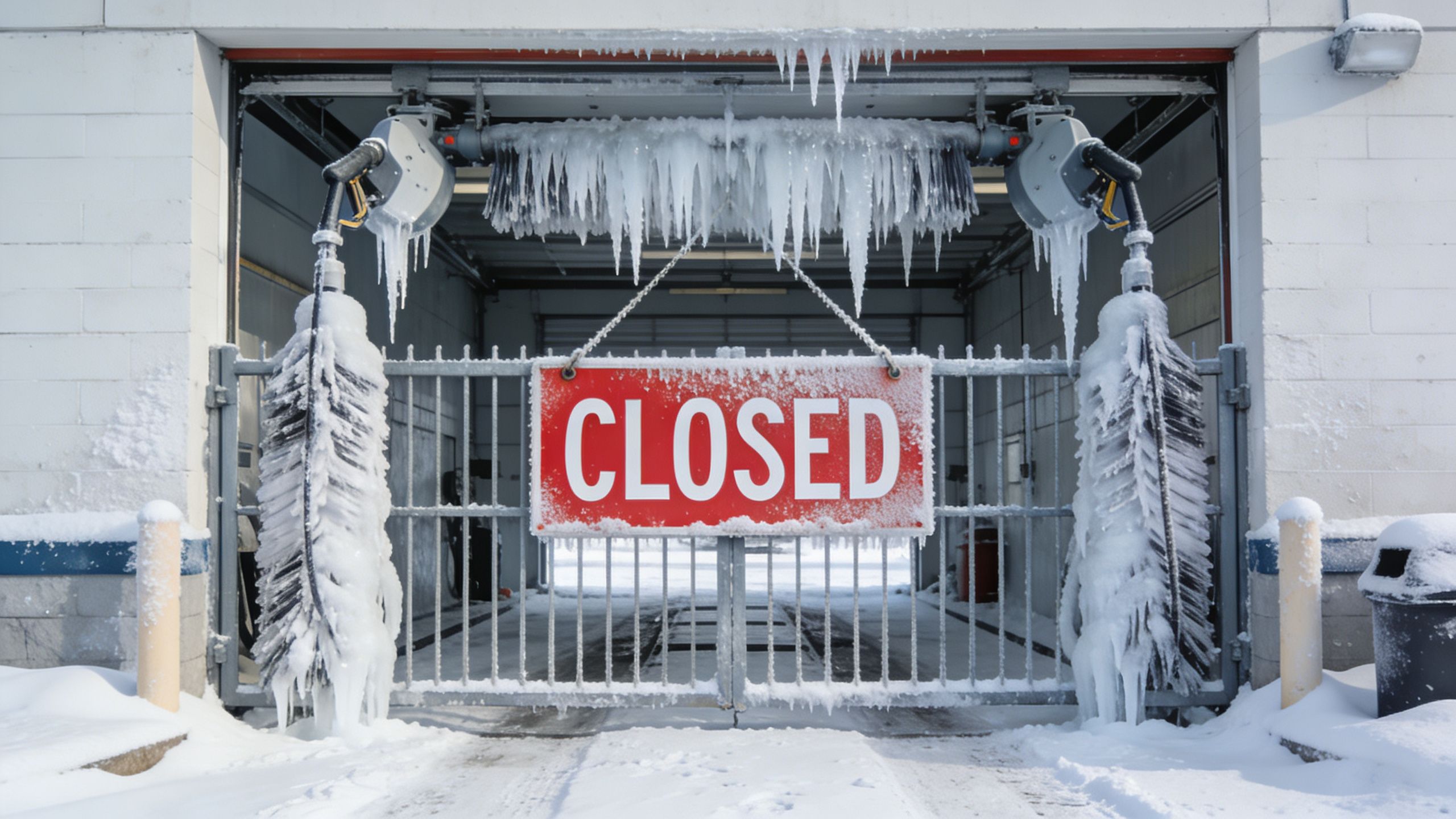
Why a wash may shut down on a cold day
The decision to stay open in winter depends heavily on the wash design. According to this operator-focused discussion of cold-weather closures, automatic washes with heated bays and dryers can operate in freezing weather, but many operators shut down when temperatures fall into the low teens or when the daily high is forecast to stay below a threshold like 27°F to prevent equipment damage.
That makes sense once you think about what the business is protecting:
- Plumbing and pumps can freeze
- Bay doors and moving parts can ice up
- Drying systems may not offset the cold enough
- Water on surfaces can create hazards for customers and staff
A closed wash on a hard-freeze day usually isn't a sign that winter washing doesn't work. It's a sign the operator doesn't want to damage equipment or send cars out wet into unsafe conditions.
Why this matters in North Texas
Richland Hills doesn't live in constant sub-freezing weather, which is exactly why local drivers get caught off guard. A wash might be open through most of winter, then close temporarily during a sharp cold snap because the site isn't built for that specific temperature range.
If you show up and find the wash closed, that doesn't contradict the idea that car washes are open in winter. It means winter operation always depends on the facility's equipment and that day's conditions.
A Winter Car Wash Checklist for Richland Hills Drivers
The safest winter wash is usually the one you plan, not the one you squeeze in because the car looks bad. In Richland Hills, a little timing goes a long way.
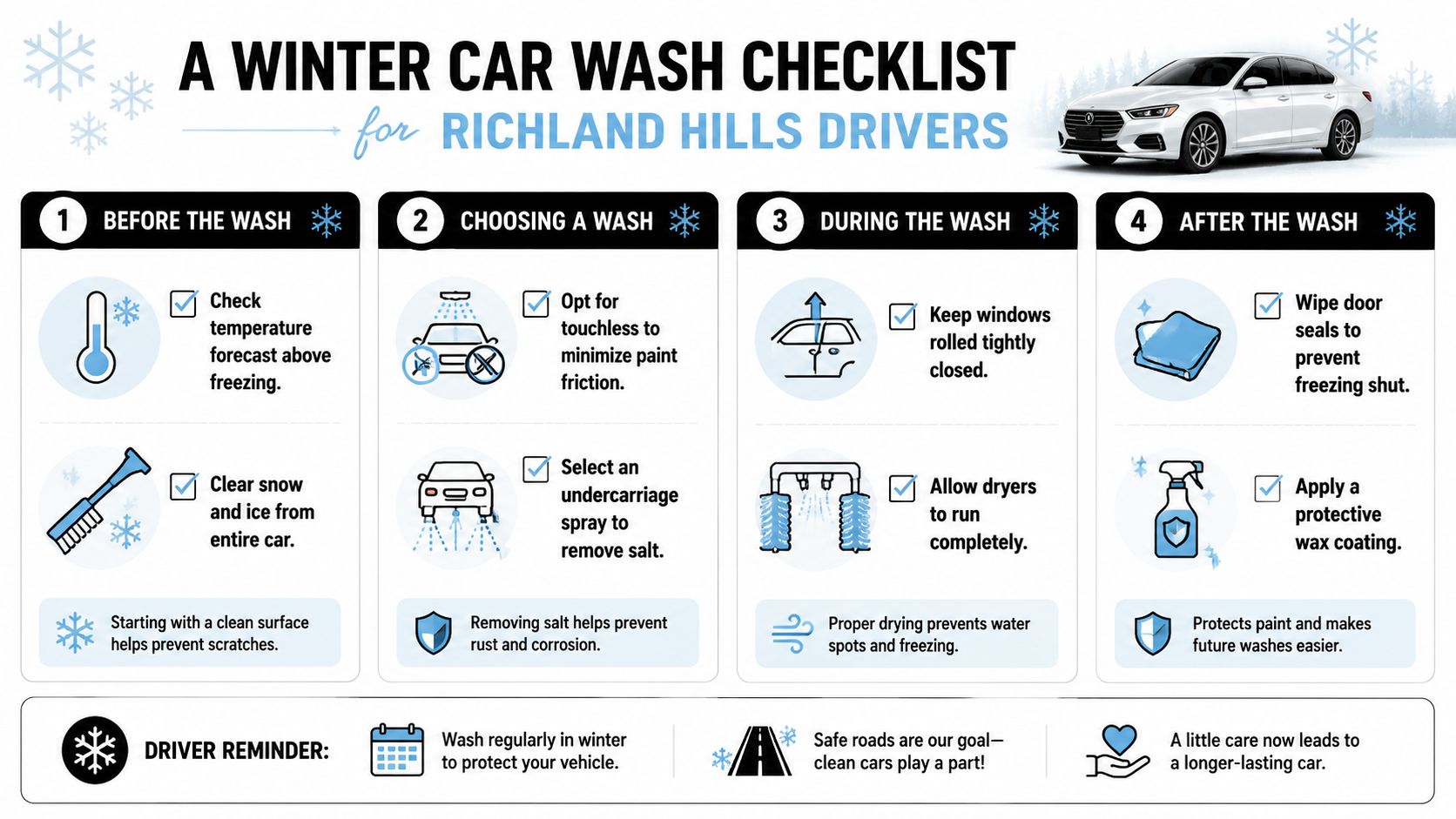
Before you go
Industry guidance recommends washing your vehicle at least every two weeks during winter months, or weekly if you're frequently exposed to salted roads, and notes that professional facilities with heated bays and drying systems are the safest option in sub-freezing conditions in this weather and car washing article.
Use that guidance with a local filter:
- Check the day, not just the week: Pick a time when temperatures are comfortably above freezing and won't crash right after the wash.
- Call ahead if the weather is rough: Winter hours can change during hard freezes or active precipitation.
- Knock off packed ice first: Heavy buildup around wheel wells and lower panels can interfere with cleaning and drying.
Choose the wash package carefully
The base package isn't always enough in winter. Look for features that address winter grime.
- Undercarriage spray matters: That's the feature most likely to help with residue on the parts drivers don't see.
- Give the dryers time to work: Don't rush out if the system allows a full drying cycle.
- Skip the driveway wash on cold days: A professional setup is usually safer than trying to hand-wash outdoors when temperatures are low.
For more local guidance on timing and cold-weather wash decisions, washing a car in freezing weather breaks down what to watch before you head out.
What to do after the wash
Many winter wash mistakes happen at this point. The wash is finished, but the vehicle still needs a minute of attention.
- Wipe door edges and seals if you have a towel in the car.
- Check the handles before you leave the lot.
- Open and close the trunk or liftgate once so you don't discover a frozen seal later.
- Drive long enough to help finish drying instead of parking immediately if conditions are marginal.
If you're washing in winter, the last two minutes matter almost as much as the first ten.
When to Skip the Wash to Prevent Damage
A Richland Hills driver can do everything right, pull into a wash on a cold afternoon, and still end up fighting frozen doors the next morning. Winter washing only makes sense when it removes harmful buildup without leaving water behind in the places that cause trouble later.
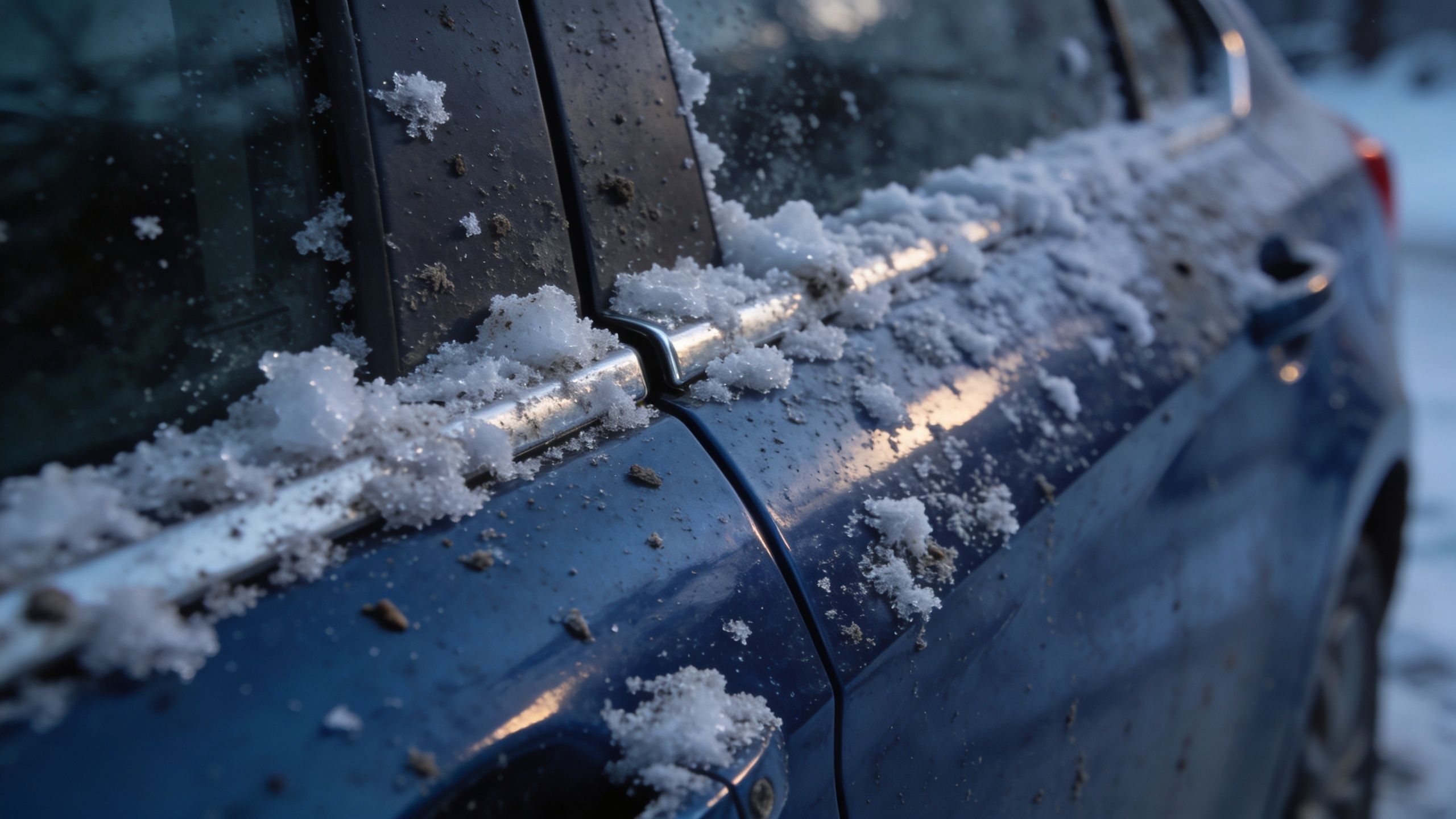
Skip it when freeze risk outweighs the benefit
In North Texas, the decision is usually about timing, not whether winter washing helps. Salt, slush, and road treatment residue can sit on the undercarriage, around brake hardware, and along lower panels. That buildup is rough on the parts drivers do not see every day. But if the car comes out wet and the temperature drops fast, moisture can freeze in door seals, handles, lock cylinders, and around the trunk or liftgate.
That is a difficult trade-off. Remove corrosive grime too late, and you leave residue on brake and underbody components. Wash at the wrong time, and you create freeze-up problems that are just as frustrating.
Skip the wash if any of these apply:
- Air temperatures are staying at or below freezing for the next several hours
- Freezing rain, sleet, or a hard front is expected before the vehicle can finish drying
- The wash does not offer a good undercarriage rinse or strong drying cycle
- The vehicle will be parked immediately after the wash instead of driven long enough to shed remaining moisture
- Ice is packed into wheel wells, around mud flaps, or near door edges and could trap water after the wash
The undercarriage matters most here. Around Richland Hills, winter roads usually do not stay buried in snow for long, but the slush and treatment residue left behind still collect underneath. That is where I tell drivers to focus, especially if they have been commuting through Northeast Tarrant County in stop-and-go traffic.
Problems drivers deal with after a badly timed wash
The usual complaints are simple. Door seals stick. Handles feel stiff. A lock or latch works fine in the wash bay and refuses to cooperate the next morning.
Those issues are annoying, but they can also keep you from getting into the car when you need it. If temperatures are marginal and your schedule does not give the vehicle time to dry out, waiting until midday or the next warmer window is often the smarter call.
If you plan to wash at home instead, avoid household cleaners that can strip protection from the paint. This guide on whether you can use dish soap for a car wash explains why that shortcut usually creates a different problem.
This video adds a useful visual explanation of how winter grime affects the vehicle and why technique matters:
A good rule for Richland Hills drivers is straightforward. Wash when you can get residue off the underside, give the car enough drying time, and avoid a fast drop below freezing right after. If those conditions are not there, hold off and catch the next better weather window.
If your vehicle has been through winter grime, slush, and stop-and-go commuting around Northeast Tarrant County, Express Lube & Car Care can help you stay ahead of the issues winter residue tends to affect most, including brake-related wear, undercarriage concerns, and routine maintenance that keeps your car safe for the next cold snap.