

You’re probably here because you need an oil change, you saw a wall of filter boxes at the parts store, and every one of them claims to protect your engine. That’s where a lot of drivers get stuck. The filter looks small, the price differences seem random, and it’s hard to tell what is important.
I work around this stuff every day, and the short version is simple. A good oil filter for cars isn’t just a metal can that screws onto the engine. It’s a wear-control part. If it catches the right debris, seals correctly, and keeps oil flowing when the engine needs it most, it helps your engine last longer. If it doesn’t, the damage shows up slowly and expensively.
Your Engine's Unsung Hero Why a Good Oil Filter Matters
Most drivers think about oil first and the filter second. I get why. Oil is the star on the sticker and the receipt. But the filter is the part that keeps that oil from turning into liquid sandpaper.
A simple way to think about it is this. Your oil filter works a lot like your kidneys. Oil moves through the engine carrying away contaminants, and the filter’s job is to trap the junk before it keeps circulating. That junk includes tiny wear particles, combustion leftovers, and grime that builds up during normal driving.
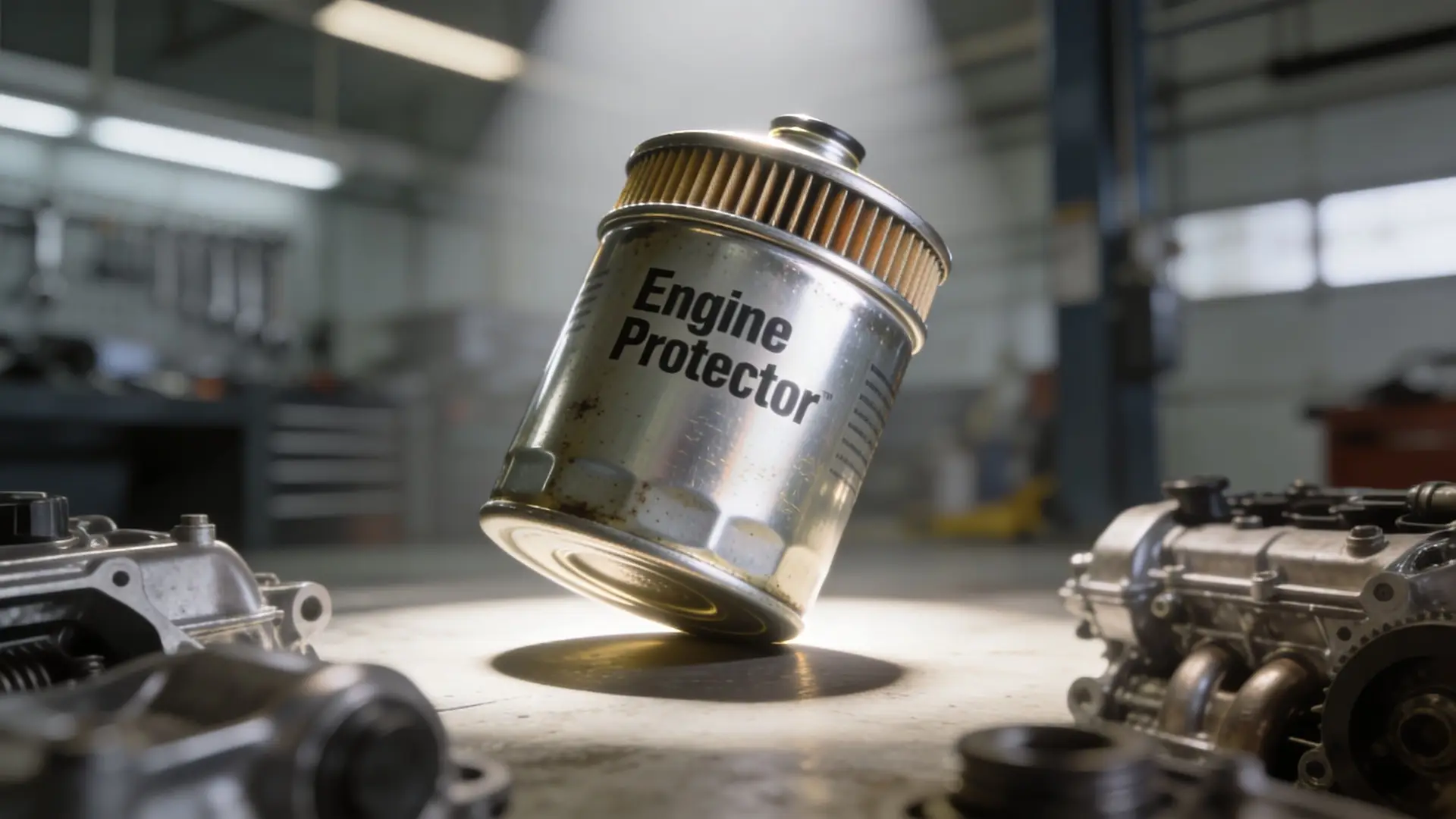
What happens when the filter isn't up to the job
Here in Richland Hills, a lot of vehicles live a rough life even if they never leave the pavement. Short trips, hot afternoons, stop-and-go traffic, school pickups, delivery work, and long idle times all put stress on the oil. The filter has to keep up with that load.
When it doesn’t, contaminants stay in circulation and keep passing through tight engine clearances. Drivers usually don’t notice that in one day. They notice it later through noise, rougher operation, or repairs that show up much sooner than expected.
If you like keeping tabs on your vehicle between services, tools for real-time car health tracking can help you catch changes in behavior early, especially if a car starts running differently between maintenance visits.
Practical rule: Clean oil matters, but clean oil that stays clean matters more.
Why a better filter can save money without looking fancy
Readers often get confused because a good filter doesn’t always look different from a cheap one on the outside. Key distinctions are internal. Better media, better valves, and a stronger shell can all make a real difference in how the engine is protected.
That’s also why an oil change should be viewed as a complete service, not just a fluid top-off. If you want a simple explanation of how fresh oil and a fresh filter work together, this overview of the benefits of an oil change lays it out in practical terms.
Here’s the part I tell neighbors all the time. If you plan to keep your car, drive in Texas heat, or rack up miles in daily traffic, the filter is not the place to guess. It’s a small part with a big job.
Decoding the Anatomy of a High-Quality Oil Filter
A good oil filter is a lot like a home air filter. They both sit, and are often overlooked until dust or dirt starts causing trouble. The difference is that inside your engine, that trouble shows up as wear on parts that cost a whole lot more to replace.
Two filters can thread onto the same engine and look nearly identical on the shelf. Inside, they can be built very differently. That matters in North Texas, where long hot commutes, short trips, and stop and go traffic can load a filter faster and keep oil under more stress.
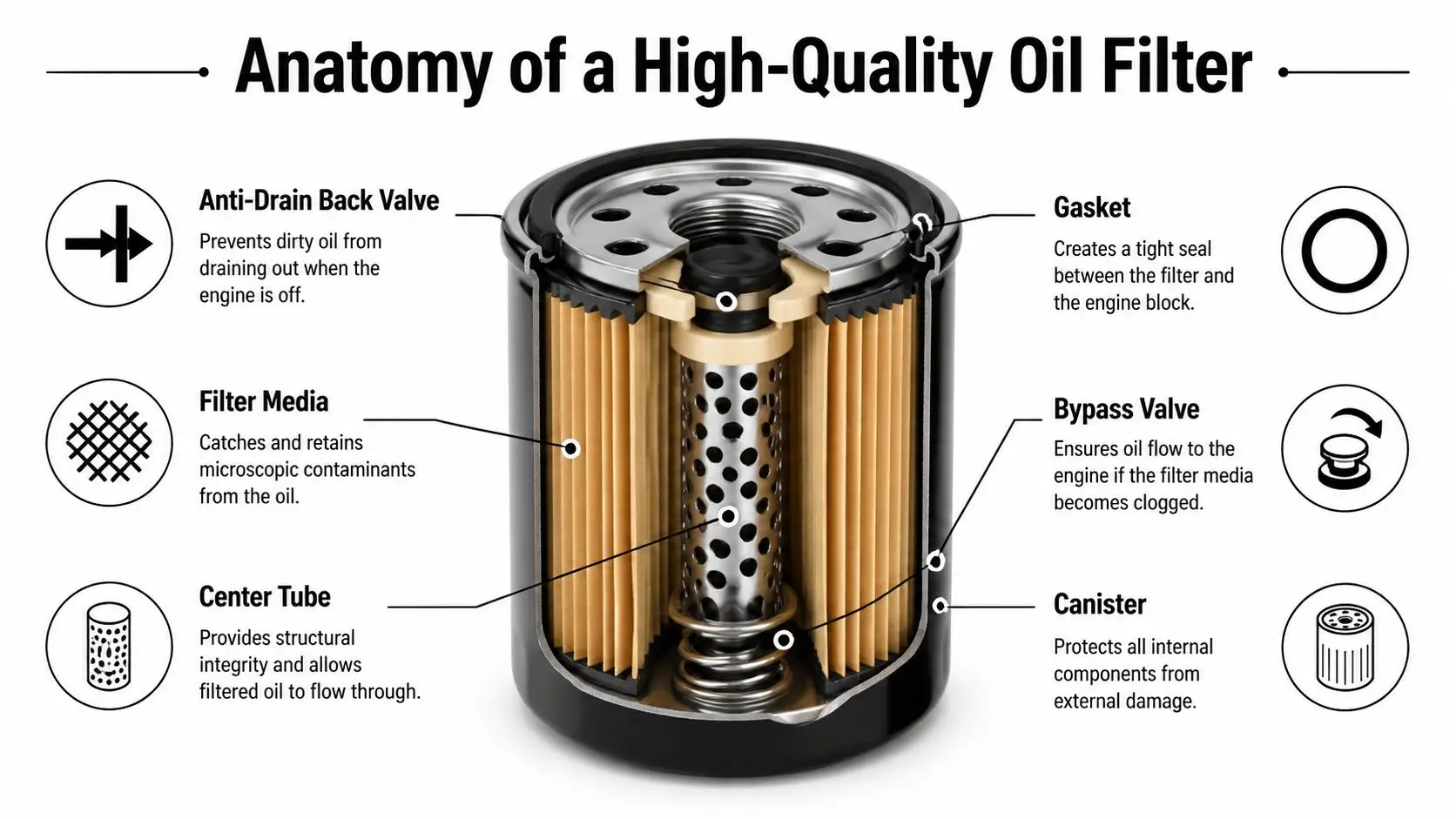
Filter media does the actual cleaning
The filter media is the working part that catches debris. It works like the screening material in a strainer. If the openings are too large, tiny particles keep circulating. If the media is too restrictive, oil flow can suffer.
That balance is where quality shows up.
A discussion of oil filter efficiency that summarizes a General Motors study notes that finer filtration can cut engine wear because many damaging particles fall in the range that lower-grade filters may miss. If you want to see that background, this oil filter efficiency discussion citing the GM study explains why micron ratings matter in plain language.
Some premium filters use synthetic or blended media instead of basic cellulose paper. For drivers in Richland Hills who spend a lot of time idling at lights, crawling down Highway 183, or making repeated short trips, that can mean better contaminant control without choking off flow as the filter loads up.
The anti-drainback valve helps protect startup
The anti-drainback valve is a small part with a big job. It helps keep oil from draining out of the filter after the engine is shut off.
Why does that matter? Startup is one of the moments when an engine needs oil pressure quickly. If the filter empties overnight, oil has to refill that space before it reaches the parts you want protected. A better valve helps reduce that delay.
Silicone valves usually hold up better than cheaper rubber ones, especially in heat. That matters in Texas summers, where under-hood temperatures can punish small rubber parts day after day.
For a closer look at how the filter and fresh oil work together during routine maintenance, this guide to oil and filter change service is a useful reference.
The bypass valve keeps oil moving when conditions get tough
The bypass valve confuses a lot of drivers because the name sounds like something is going wrong. Its job is protective.
If oil is very thick on startup, or if the filter media is heavily loaded with debris, pressure can build across the filter. The bypass valve opens at a set point so oil can keep moving through the engine. Filtered oil is the goal, of course, but oil flow still has to be maintained. An engine with reduced filtration for a short time is in better shape than an engine starved for oil.
That is one reason filter design should match vehicle use, not just brand reputation. A family SUV doing school runs and grocery trips has different demands than a service van that idles all afternoon. The same idea comes up in any vehicle parts comparison. The better part is the one that matches the job and the service conditions.
Here’s a simple breakdown of the key parts:
| Part | Plain-English job | Why it matters |
|---|---|---|
| Filter media | Traps contaminants | Helps reduce internal engine wear |
| Anti-drainback valve | Keeps oil from draining out after shutdown | Helps reduce dry starts |
| Bypass valve | Opens if restriction gets too high | Keeps oil flowing in harsh conditions |
| Canister and center tube | Support the filter under pressure | Helps prevent collapse or failure |
A short visual can help if you like seeing the parts in motion.
Strength and dirt-holding capacity matter
The shell, center tube, end caps, and amount of filter media all affect how a filter performs over a full service interval. More media usually means more area to catch debris before restriction climbs. A stronger canister and center tube help the filter stay intact when oil is hot and pressure rises.
That matters for local driving patterns. Stop and go traffic heats oil up. Repeated short trips can leave more moisture and contamination in the system. Long summer drives add heat stress. Under those conditions, a better-built filter gives you more margin before performance starts to drop.
You do not need to memorize spec sheets to make a smart choice. Focus on the parts inside the can, how long you plan to run the oil, and how the vehicle is used. That is what separates a filter that fits from a filter that protects.
How to Choose the Right Filter for Your Vehicle and Oil
Picking the right filter gets easier when you stop thinking in terms of “best brand” and start thinking in terms of best match. The right filter for a commuter sedan using conventional oil may not be the right choice for a high-mileage SUV on full synthetic, and neither one is automatically right for a work truck idling in traffic all day.
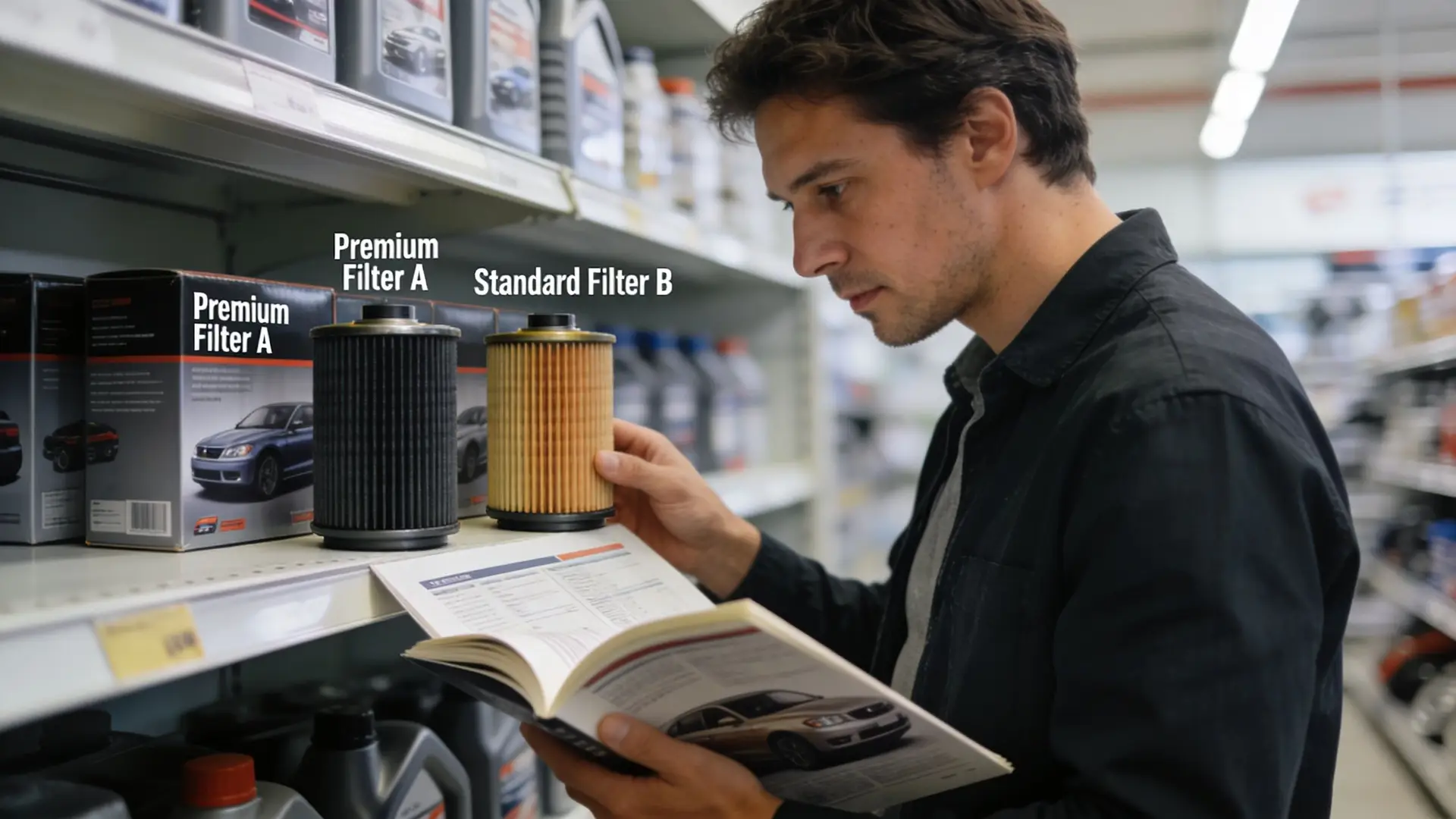
Match the filter to the oil you use
If you run full synthetic oil, you should pair it with a filter built for longer service and better contaminant control. A premium filter makes more sense here because the oil itself is designed to stay in service longer. Using a bargain filter with premium oil is like buying quality running shoes and then tying them with frayed string.
If you use conventional oil and change it more often, you may not need the highest-end filter on the shelf. You still want solid construction and the correct fit, but the service interval changes the math.
Here’s a simple way to consider it:
- Conventional oil users: Choose a quality standard filter that fits the factory interval and driving conditions.
- Synthetic blend drivers: Aim for a filter with stronger media and dependable valve quality.
- Full synthetic users: Look for premium synthetic media, strong sealing, and longer-service design.
Texas heat changes what matters
North Texas heat is hard on rubber parts. That’s one reason premium filters matter more here than some drivers realize. According to AMSOIL’s oil filtration basics, silicone anti-drainback valves used in filters like Mobil 1 or AMSOIL can resist breakdown in temperatures up to 400°F and stay flexible in colder weather, helping prevent oil backwash and supporting immediate lubrication on startup.
That matters because the valve material isn’t just an engineering detail. It changes how the filter behaves after the car sits overnight, after a long hot soak in a parking lot, or during seasonal temperature swings.
In Texas, heat exposes weak materials fast. A filter that seals well in mild weather may not hold up the same way after repeated hot cycles.
Pick for your driving pattern, not just the part number
The parts computer can tell you what fits. It can’t tell you what your car goes through.
If your driving looks like this, lean toward a stronger filter:
- Short-trip family driving: Frequent cold starts create more contamination and make startup protection more important.
- Stop-and-go commuting: Long idle times and repeated heat cycles load the oil harder.
- High-mileage vehicles: Older engines often benefit from filters with dependable construction and strong sealing.
- Fleet and work use: Vehicles that spend all day moving, idling, and restarting need durability more than flashy packaging.
Some drivers also get stuck on the OEM-versus-aftermarket question. If you want a plain-language look at vehicle parts comparison, that can help you sort out where OEM parts make sense and where a quality aftermarket part can be a smart fit.
Common Oil Filter Myths That Cost You Money
I hear the same filter myths at the counter and in the waiting area all the time. Most of them sound reasonable at first. That’s why they stick around. The problem is they lead people to buy the wrong part or stretch service past what the engine needs.
Myth one, all oil filters are basically the same
They’re not. Fitment may be the same, but construction can be very different. Media quality, valve material, dirt capacity, and can strength all vary.
That matters even more for work vehicles and high-mileage cars. Many reviews focus on everyday passenger cars, but they don’t always account for harsher use. A Mobil 1 filter can withstand nine times the normal oil system pressure, which is a meaningful advantage for work trucks or vehicles that spend their lives in heavy traffic, as noted in this oil filter roundup discussing heavy-duty use.
Myth two, the most expensive filter is always the right filter
Not always. A premium filter can be a smart choice, but only if it matches the oil, the engine, and the service interval. Spending more doesn’t help if the vehicle sees short intervals with basic oil and mild use.
The smarter question is this. What problem are you trying to solve? Longer service life, better startup protection, stronger pressure handling, or better fine-particle control are all valid reasons. Paying more just because the box looks serious isn’t.
Myth three, you can skip the filter change if the oil still looks decent
That one costs people money. Oil condition and filter condition are connected, but they’re not the same thing. A filter can be loaded with trapped debris even if the oil on the dipstick still looks passable.
A used filter also keeps old contamination in the system. Reusing it means your fresh oil starts life mixed with what the previous interval left behind.
Here’s the quick myth check I’d give any neighbor:
- Same size doesn't mean same protection: Internal parts decide performance.
- Higher price doesn't guarantee better value: The filter has to fit the job.
- Skipping the filter isn't saving money: It can shorten the value of the oil you just paid for.
A cheap filter mistake rarely looks expensive on day one. It shows up later as wear you can't see until parts start complaining.
When to Replace Your Oil Filter for Maximum Engine Protection
Your oil filter is a trash can with a limit. Once it fills up with soot, fine metal, and other debris, it has less room to protect the engine. That is why the safest habit for most drivers is simple. Replace the oil filter every time you change the oil.
That advice fits real-world driving in North Texas. Heat thins oil faster, short trips leave more moisture behind, and stop-and-go traffic keeps the engine working without giving it long, steady highway time to clear things out. A family SUV used for school runs and errands around Richland Hills often puts different stress on the filter than a commuter car that spends most of its life cruising on the freeway.
Some premium filters are built for longer service. They usually have more dirt-holding capacity and stronger internal parts, which can make sense if your vehicle uses synthetic oil and follows a true extended service plan. Even then, the filter, the oil, and the engine all need to match. Leaving a filter on for another interval just because it is a premium model is a gamble if the vehicle sees lots of idling, short trips, towing, or summer heat.
Time matters too, not just miles.
If your car sits a lot, or only gets driven in short bursts, your service schedule may come due before the odometer says much. This guide on oil change mileage or time helps explain which one should drive your next service.
A good rule for local drivers is to treat severe use as normal use. In Richland Hills, that often means replacing the filter on schedule rather than stretching it. It is a small part, but it helps decide whether clean oil stays clean long enough to protect bearings, timing parts, and other expensive engine pieces.
The Express Lube Promise Quality Parts and Expert Service
A lot of this article comes down to one frustrating truth. Choosing a filter sounds simple until you’re standing there trying to compare media, valve materials, service intervals, and driving conditions. That’s why many drivers would rather have a technician make the call based on the vehicle, not just the shelf label.

What a technician should look at before choosing a filter
A proper recommendation starts with the basics, but it shouldn’t stop there. The year, make, model, and engine matter. So does the oil type, mileage, and how the car is used.
A sensible filter choice usually considers:
- Engine design: Some engines are less forgiving about oil flow and startup lubrication.
- Oil type in service: A premium synthetic oil often deserves a filter built for the same interval.
- Vehicle age and mileage: Older engines may need a more thoughtful approach than a simple catalog lookup.
- Driving conditions in Richland Hills: Heat, idling, errands, and stop-and-go use all change what the oil and filter deal with.
That’s where an ASE-certified technician earns their keep. Not by memorizing brand ads, but by matching the filter’s internal design to the vehicle’s real workload.
Why convenience matters for maintenance quality
Good maintenance has to be practical or people put it off. That’s one reason walk-in service matters for busy families, commuters, and small business vehicles. If getting a proper oil and filter change takes too much time or planning, a lot of people delay it longer than they should.
For local drivers, that convenience can be the difference between staying on schedule and running too long on dirty oil. For fleet managers, it can mean less downtime and less guessing about what each vehicle needs.
This is one place where Express Lube & Car Care fits the conversation factually. The shop provides walk-in oil and filter changes, routine maintenance, diagnostics, and repairs in Richland Hills, with ASE-certified technicians and clear pricing, which can simplify filter selection for drivers who’d rather not sort through parts choices on their own.
Trust comes from clear answers, not pressure
If a customer asks me what makes a filter good, I don’t want them to hear a sales pitch. They need a straight answer. Good oil filters for cars have the right fit, the right media, reliable valves, and the durability to match the vehicle’s use.
That’s also why transparent communication matters. A driver should know what part is going on the car, why it fits the service, and whether their driving habits call for anything different next time.
A neighborhood shop should make that easier, not murkier.
The right filter choice should leave you more confident, not more confused.
For Richland Hills drivers, that usually means simple things done well. Use quality parts. Match them to the oil and vehicle. Explain the reason plainly. Keep the process quick enough that people stay on top of maintenance.
If you want help choosing the right oil filter and service interval for your vehicle, Express Lube & Car Care offers walk-in maintenance and repair service in Richland Hills with ASE-certified technicians, transparent pricing, and practical recommendations based on how you drive.