

You’re probably here because this has happened to you before. You pull into a shop for an oil change, somebody checks your car, and then comes the question: “Do you want to replace the oil filter too?”
A lot of drivers hear that and think the filter is the small add-on. The side item. The thing that probably matters, but maybe not today.
I get why people think that. An oil filter looks simple from the outside. It’s basically a metal can that threads onto the engine. But that little part has one job that protects everything expensive inside your engine. It keeps dirty oil from carrying harmful grit through parts that need a steady supply of clean lubrication every time you drive across Richland Hills, through North Richland Hills, or into stop-and-go DFW traffic.
North Texas driving is hard on oil. Heat, short trips, long idle time, and traffic all keep oil working. As oil moves through the engine, it picks up contaminants like dust, metal shavings, combustion byproducts, sludge, ash, carbon, chemical toxins, and moisture, according to Mobil’s explanation of how an oil filter works. If those contaminants stay in circulation, they wear on parts that are machined to very tight tolerances.
This is the core reason this topic matters. When people ask how does an oil filter work, they’re usually really asking a bigger question: why does changing it on time matter so much?
Your Engine’s Unsung Hero The Humble Oil Filter
You leave work in Richland Hills, sit through a long light on Highway 183, idle in a drive-thru, then make a short trip home. Nothing about that drive feels hard on your engine. Under the hood, though, the oil has already been heated, circulated, and asked to protect moving parts through another stop-and-go cycle.
That is why the oil filter matters more than its size suggests.
A good comparison is a coffee filter. Oil flows through filter material, unwanted particles get trapped, and cleaner oil keeps moving. The difference is what is at stake. If coffee grounds slip through, you get a bad sip. If dirty oil keeps circulating through an engine, that grit keeps passing through parts built with very tight clearances.
Why clean oil matters on every trip
Engine oil does more than reduce friction. It also carries away some heat and picks up contamination created during normal engine operation. That includes tiny bits of wear material, carbon, and other debris that do not belong between fast-moving metal parts.
The oil filter’s job is to catch as much of that material as it can before the oil heads back into the engine again. Without that cleanup step, the same contaminants keep making laps through the system. Over time, that increases wear on bearings and other internal parts that depend on a steady supply of clean oil.
That is the part many drivers never get told clearly. An oil change schedule is not just about old oil turning dark. It is also about giving the filter a fresh capacity to hold debris before it gets overloaded.
Why this matters in North Texas
DFW driving creates the kind of use that shortens the life of both oil and filters. Short trips, long idle time with the AC running, hot summer afternoons, and heavy traffic all make the oil work harder. A vehicle can rack up plenty of engine stress without adding many highway miles.
That matters because a filter does not clean forever. As it fills with trapped material, oil has a harder time passing through it at the same rate. To protect the engine from oil starvation, many filters have a bypass valve built in. If restriction gets high enough, that valve can open and let oil keep flowing around the filter media.
Oil flow is better than no oil flow. But unfiltered oil is still unfiltered oil.
That is one hidden risk behind stretching oil changes too long, especially for local drivers who spend a lot of time in traffic around Richland Hills, North Richland Hills, and the rest of DFW. The engine may keep running smoothly, and the driver may hear nothing unusual, while the filter is already closer to its limit than they realize.
Why timely service is cheap insurance
The oil filter does its work unnoticed. No light comes on to congratulate it. No sound tells you it just caught a harmful particle before it reached a bearing surface.
That is why people put it off.
In the shop, we see the pattern all the time. A driver delays service because the car still feels fine. Meanwhile, heat, idling, and repeated short trips keep loading the oil and the filter. Replacing the filter on schedule is one of the least expensive ways to reduce long-term engine wear, especially in North Texas conditions that count as severe service even for everyday commuters.
The Journey of Engine Oil Through The Filter
If you want the cleanest answer to how does an oil filter work, start with the path the oil takes.
The whole setup is a full-flow system. That means the engine’s oil pump pulls motor oil from the oil pan and sends it through the filter before that oil goes back out to lubricate engine parts. Pennzoil describes it this way in its oil filter article: dirty oil enters through the perimeter inlet holes, moves through the filter media, and exits through the central threaded hole before returning to lubrication passages for parts like the camshaft and crankshaft.
The trip from pan to filter to engine
Think of the oil system like a closed loop.
First, oil sits in the pan when it’s not moving through the engine. Once the engine runs, the oil pump pulls that oil up and sends it toward the filter. The oil isn’t clean at that point. It has already been through engine parts and has picked up contaminants during that trip.
Here’s the basic path:
- Oil leaves the pan and gets drawn in by the oil pump.
- Dirty oil enters the filter through the small holes around the outer part of the base plate.
- Pressure pushes the oil through the filter media, where contaminants are trapped.
- Cleaner oil exits through the center opening of the filter.
- The oil returns to the engine to lubricate moving parts, then drains back to the pan and repeats the cycle.
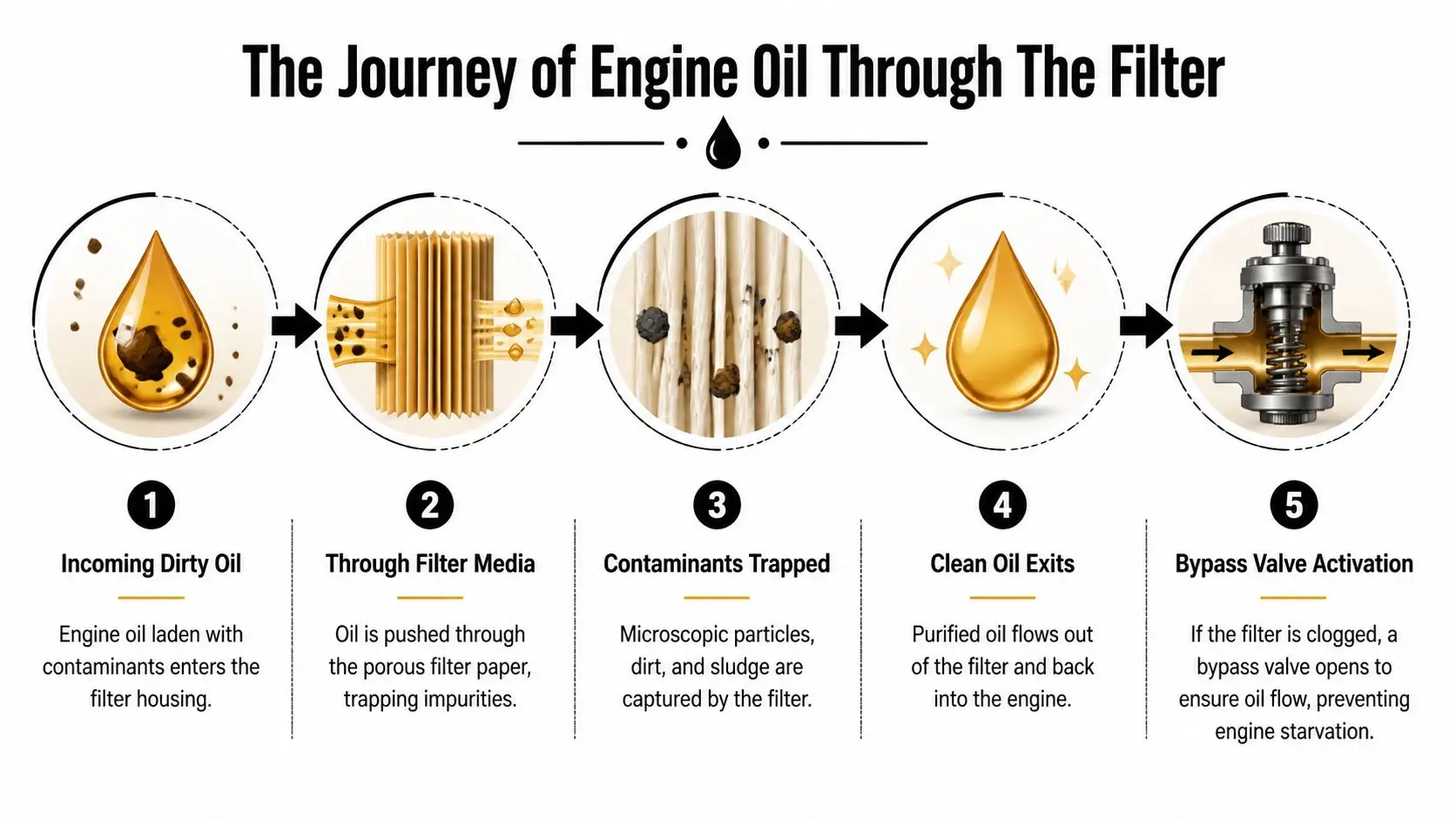
That’s the part many drivers don’t realize. The oil filter isn’t cleaning oil once in a while. In a full-flow system, it’s part of the oil’s regular route every time the engine runs.
A body analogy that makes sense
The easiest analogy is your kidneys.
Your engine oil carries away the stuff you don’t want floating around inside the motor. The filter removes that contamination before the oil goes back to work. If the oil kept circulating with dirt, sludge, and metal particles in it, the engine would keep rubbing those contaminants across sensitive surfaces.
That’s why clean oil and a good filter work as a team. Fresh oil can still get dirty. A new filter with old, overloaded oil won’t solve the whole problem either. The system depends on both pieces.
Your engine doesn’t need just oil. It needs oil that can still flow well and isn’t carrying abrasive debris back to the bearings and other moving parts.
Where people get confused
A common misunderstanding is that the filter stores clean oil inside it like a little tank. That’s not really its main role. Its main role is to let oil pass through while trapping harmful material in the media.
Another point of confusion is flow. People sometimes assume the best filter is the one that catches everything possible. In real life, the filter has to balance two jobs at the same time. It has to remove contaminants, and it has to let enough oil pass through so the engine isn’t starved for lubrication.
Pennzoil also notes that filter capacity matters because it determines how much contamination the filter can hold before it becomes saturated, while flow rate matters because oil still has to move easily through the filter for proper lubrication in a pressurized system.
Why the route matters for daily commuting
This matters a lot in local driving because your car doesn’t spend every day cruising easily on an open highway. Many drivers in Northeast Tarrant County deal with repeated cold starts, short warm-up periods, and stop-and-go traffic. In those conditions, the oil filter is constantly asked to clean oil while still allowing enough flow for immediate protection.
That’s why a filter change isn’t just a box to check. If the filter can’t keep up, the engine still has to be protected somehow. And that leads to the part inside the filter that saves the engine, but can gradually increase wear if you wait too long between services.
Inside the Can A Deeper Look at Filter Mechanics
Cut open an oil filter and you can see why change intervals matter so much in North Texas. What looks like a simple metal can is really a control point for oil flow, startup protection, and backup protection when conditions get rough.
A modern spin-on filter has three parts that matter most to drivers: the pleated media, the anti-drain-back valve, and the bypass valve. Each one handles a different problem inside the lubrication system.
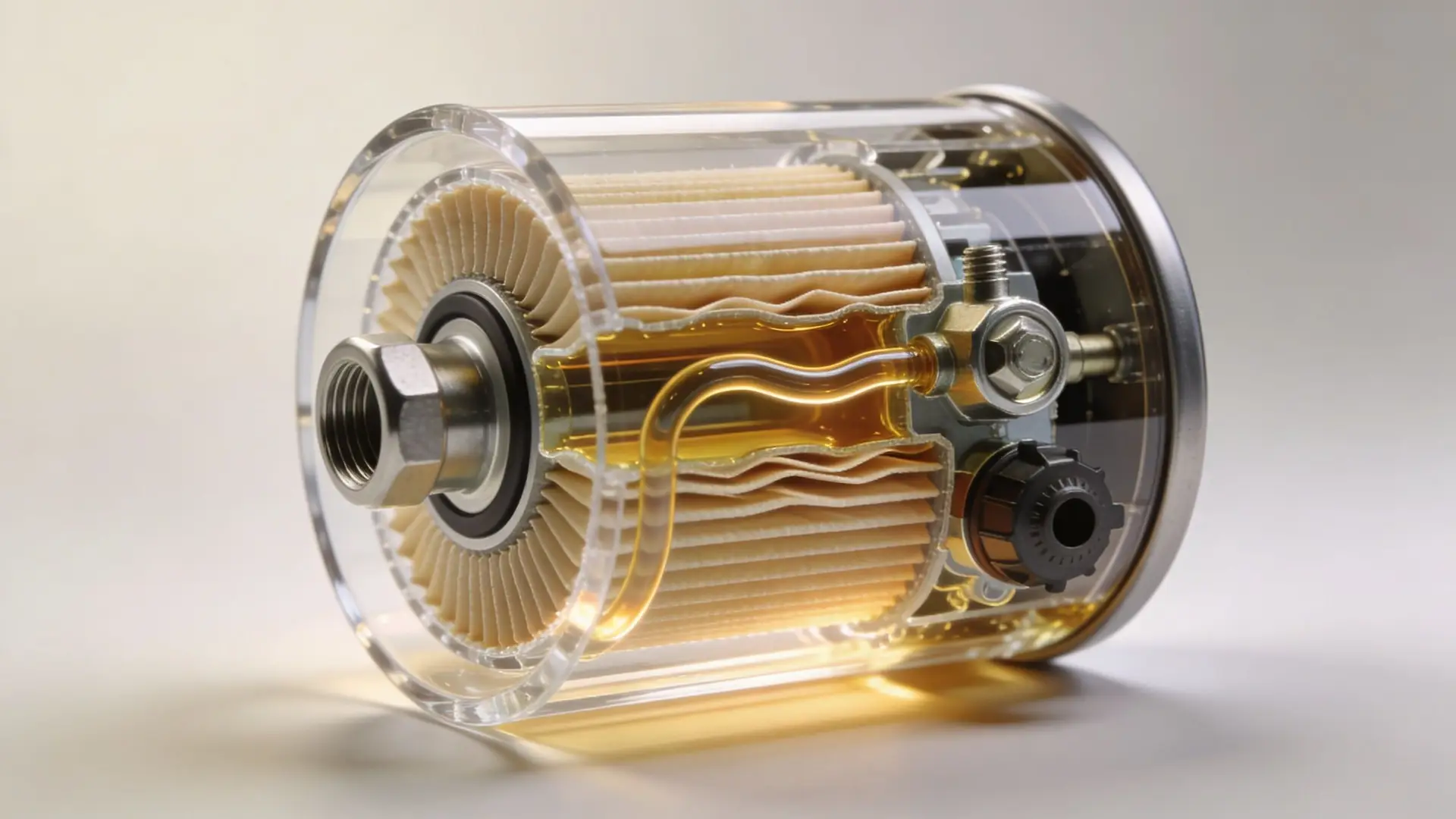
The pleated media does the dirty work
The filter media works like a coffee filter for your engine oil. Oil passes through. Dirt, carbon, and tiny metal particles get held back.
The pleats matter because they pack more filtering material into a small space. More surface area gives the filter more room to catch contamination before restriction starts climbing. That balance is the whole job. The media has to clean the oil without slowing flow so much that the engine struggles to get lubrication.
Machinery Lubrication explains in its oil filter anatomy article that the media catches debris in a few different ways. Some particles are too large to pass through. Some get trapped deeper in the layers. Some stick to the material itself. If you have ever looked at a guide to deionised water systems, the basic idea is similar. The filter material and the flow path decide what gets removed and what keeps moving.
The anti-drain-back valve helps at startup
This small rubber valve has a simple job. It helps keep oil from draining out of the filter after the engine is shut off.
That matters on the first start of the day. After a car sits overnight in Richland Hills, the engine needs oil pressure quickly. If the filter has drained empty, oil has to refill that space before full flow reaches the parts that need protection. On a short morning trip, those few extra moments of delay happen during one of the highest-wear parts of the drive cycle.
This is one reason cheap filters can cause trouble even when they fit correctly. If the anti-drain-back valve material gets stiff from heat or age, it may not seal as well as it should.
The bypass valve protects the engine, but it also explains why late service is risky
The bypass valve is the hidden part many drivers never hear about until I show them a cutaway filter in the shop.
Its job is to open if oil cannot move through the media fast enough. That can happen during a cold start with thick oil. It can also happen when the filter has loaded up with debris and restriction gets too high. The engine still needs oil, so the bypass valve gives it another path.
That safety feature prevents oil starvation. It also means the engine may be getting oil that has not gone through the media first.
That is the hidden risk behind stretching service too long. The car may sound normal. No warning light may come on. But if the bypass valve starts opening more often during hot idling, stop-and-go traffic, or repeated short trips, more contamination can keep circulating through the engine. In DFW driving, where engines spend plenty of time idling in heat and then accelerating back into traffic, that extra wear can build gradually over time.
Why build quality changes real-world performance
Two filters can look nearly identical on the outside and behave very differently after months of Texas heat, traffic, and repeated starts.
Media quality affects how well the filter balances flow and contaminant holding ability. Valve quality affects startup protection and bypass operation. Case strength and sealing quality matter too, especially as pressure and temperature change through normal driving. That is why the cheapest option on the shelf is not always the cheapest option for the engine.
If you want a closer look at design differences, this overview of oil filter types helps explain what changes from one filter to another and why those differences matter for local driving.
Shop-floor reality: A good oil filter does more than catch debris. It has to keep flowing, keep sealing, and keep protecting the engine when North Texas heat, short trips, and traffic make oil work harder.
Choosing the Right Filter For Your Vehicle and Driving Style
Many drivers then ask the practical question: is the more expensive filter worth it?
Sometimes yes. Sometimes no.
The right filter depends on your engine, the oil you use, and how you drive in North Texas. A weekend vehicle that gets easy highway miles doesn’t live the same life as a commuter car that crawls through traffic, idles in summer heat, and makes repeated short trips.
What really changes from one filter to another
Most of the difference comes down to three things:
- Media material: Some filters use cellulose media, some use synthetic media, and some are built around applications common on higher-mileage vehicles.
- Contaminant capacity: The filter has a limit to how much debris it can hold before restriction goes up.
- Flow behavior over time: A filter has to keep allowing oil to pass while it fills up with trapped material.
Machinery Lubrication explains that oil filter media traps contaminants through direct interception, depth entrapment, and adsorption, and that most filters contain 8-12 square feet of pleated synthetic fiber or cellulose media in a standard design that maximizes surface area exposure before debris reaches engine surfaces. That helps explain why two filters of similar size can perform differently.
A practical comparison for local drivers
| Oil Filter Comparison for Richland Hills Drivers | Media Material | Best For | Typical Change Interval |
|---|---|---|---|
| Conventional | Cellulose | Standard driving and routine service | Follow manufacturer recommendation |
| Synthetic | Synthetic fiber | Heavy commuting, heat, stop-and-go use | Follow manufacturer recommendation |
| High-mileage | Varies by design | Older engines and vehicles with age-related wear concerns | Follow manufacturer recommendation |
This chart is intentionally simple because the decision usually isn’t about chasing a fancy label. It’s about matching the filter to the way the car is used.
When a conventional filter makes sense
A quality conventional filter can be a perfectly reasonable choice for a vehicle that gets steady use, sees regular oil changes, and doesn’t spend its life in punishing traffic.
If you have an older second car that mostly takes moderate trips and gets serviced on time, you may not need to jump straight to a premium synthetic media filter. The key is that the filter still needs to meet the vehicle’s requirements and be changed before it becomes overloaded.
When synthetic media earns its keep
Synthetic media filters tend to appeal to drivers who put the oil system under more stress. That includes long commutes, lots of stop-and-go driving, and operating in high heat.
That doesn’t mean every commuter must buy the most expensive option on the shelf. It means the filter’s ability to manage contamination and flow under harsher conditions becomes more important. In DFW traffic, where engines spend a lot of time hot and idling, many drivers prefer a higher-capacity filter because the service interval can be harder on the filter than easy highway cruising.
If your car spends more time sitting in traffic than cruising at a steady speed, choose your filter for real conditions, not ideal ones.
What “high-mileage” really means
High-mileage filters are usually marketed toward older vehicles. The idea isn’t magic. It’s because older engines may benefit from a filter designed around the demands of wear, deposits, and long-term use.
That doesn’t automatically make a high-mileage filter the right choice for every older car. Some aging engines are in excellent shape and just need the correct filter and a consistent maintenance routine. The label is a clue, not a guarantee.
Don’t pick by price alone
The cheapest filter can be tempting. So can the priciest one.
Neither approach is reliable by itself. The better question is this: does the filter fit your engine’s needs and your driving pattern? A lower-cost filter changed on schedule may serve a lightly used vehicle well. A driver who battles daily congestion and summer heat may want a more heavy-duty option.
If you want a plain-language primer on what makes a quality filter worth considering, this guide to good oil filters for cars is a useful place to start.
A simple rule for North Texas drivers
Choose the filter the way you’d choose shoes for a job.
If you work indoors on smooth floors, one type is fine. If you’re outside all day on rough ground, you need something built for harder use. The same logic applies to filters. Match the part to the reality of your miles.
Five Warning Signs Your Oil Filter Needs Immediate Attention
Some oil filter problems announce themselves. Others don’t.
That’s what makes this tricky. Drivers often wait for a loud symptom, a warning light, or a major drivability problem. But one of the most important filter-related risks happens unnoticed inside the engine.
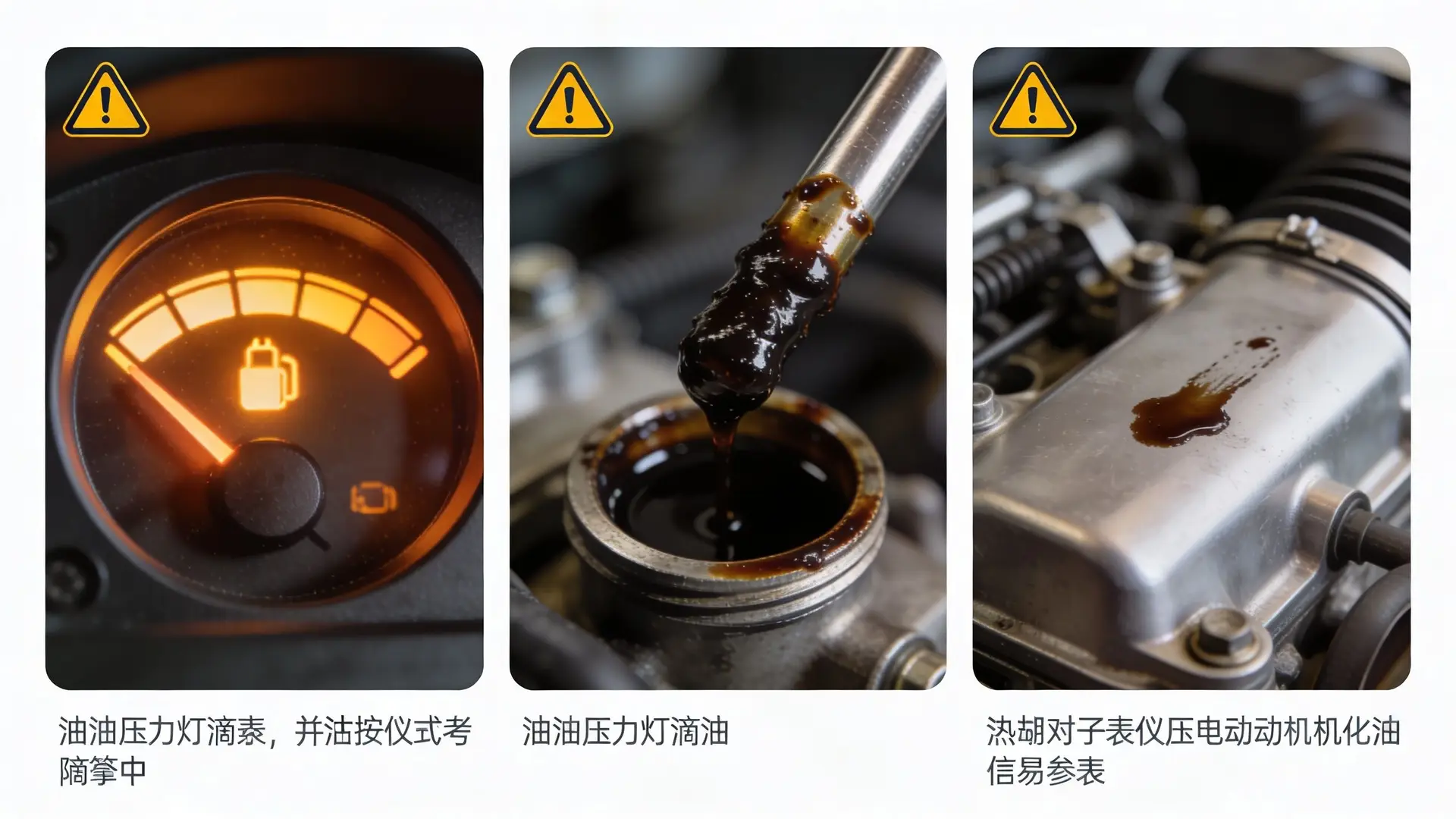
What you might notice from the driver’s seat
Here are five signs that deserve attention.
Oil pressure concerns: If your oil pressure warning light comes on or the gauge behaves abnormally, don’t assume it’s “just a sensor.” Restriction in the system can affect flow, and oil system issues need to be checked promptly.
Unusual engine noise: Ticking, knocking, or metallic-sounding noise can point to lubrication problems. Oil has to arrive quickly and flow properly. If it doesn’t, the engine often tells you.
Dirty oil sooner than expected: Oil darkens in use, so color alone isn’t a diagnosis. But very dirty-looking oil combined with overdue service can suggest the filter and oil have both been working beyond their useful window.
Sluggish running after neglected maintenance: If a vehicle has gone too long between services and starts running rough or sounding harsher, it may be dealing with contaminated oil and restricted flow.
Visible leaks around the filter area: A damaged gasket, poor installation, or filter housing issue can cause leakage. That’s not just a mess. It can reduce available oil and hurt pressure.
The warning sign you can’t see
The most important one is the one with no obvious symptom: bypass valve operation.
According to FRAM’s explanation of how oil filters work, the bypass valve prevents engine oil starvation but does so by circulating unfiltered oil. For drivers who extend oil change intervals, that means the engine is unknowingly exposed to abrasive contaminants that can accelerate wear on bearings and other moving parts.
That’s why delayed service is risky even when the car seems “fine.” The engine may still be getting oil, but the filter may no longer be doing the cleaning you’re counting on.
A clogged filter doesn’t always create a dramatic breakdown. Sometimes it creates a quiet wear problem that shows up much later as engine noise, oil consumption, or shortened component life.
Why this matters in stop-and-go driving
In local traffic, engines spend lots of time running without much airflow and without easy, steady cruising conditions. Add heat and short trips, and the filter can spend its life dealing with repeated contamination load and fluctuating oil conditions.
That’s the hidden cost of stretching service intervals. You’re not just asking the oil to last longer. You’re asking the filter to keep trapping debris longer, while also counting on it not to send the system into bypass mode.
If you’re seeing any of the visible signs above, get the car inspected. If you’re seeing none of them but you know the service is overdue, that still matters.
DIY vs Professional Filter Service The Richland Hills Verdict
I’m not against DIY work. Plenty of people enjoy doing their own maintenance, and if you’ve got the right tools, the right part, and a good place to work, changing oil and a filter is doable.
The problem is that the job looks easier than it is.
Where DIY goes wrong
The first issue is parts selection. A filter may appear to fit, but that doesn’t mean it’s the right choice for the engine and operating conditions.
Then there’s installation. I’ve seen filters installed too loose, too tight, double-gasketed, cross-threaded, or damaged during removal. Any one of those can turn a routine oil change into a leak, a pressure problem, or a stripped mounting surface.
There’s also the cleanup and disposal side. Used oil isn’t something you want spilling on a driveway or sitting around in random containers until you remember to recycle it.
The part many DIY guides skip
JIT Truck Parts notes in its discussion of oil filter operation that professionals understand the balance between filtration efficiency and oil flow, and they replace filters on time to prevent bypass operation that circulates unfiltered abrasive oil. That’s the nuance many DIY jobs miss.
A lot of home oil changes focus on getting the old oil out and the new oil in. That’s only part of the job. The goal is to keep the engine out of conditions where the filter stops doing its normal cleaning work and starts relying on bypass protection.
Why many drivers choose a shop
For most busy drivers in Richland Hills, professional service is less about convenience alone and more about reducing avoidable risk.
A technician verifies the correct filter, checks for sealing issues, inspects for leaks, and handles the mess and disposal. If your vehicle needs routine maintenance with oil and filter replacement, Express Lube & Car Care’s oil and filter change service is one example of a local option that covers that work as part of standard service.
The cheapest oil change is the one that doesn’t lead to stripped threads, a leaking gasket, or months of driving with a neglected filter.
The Richland Hills answer
If you’re experienced and careful, DIY can work.
If you’re rushed, unsure about the correct filter, or already putting off maintenance because life is busy, professional service is often the safer call. Not because the filter is complicated to hold in your hand, but because it’s connected to a system where small mistakes can have expensive consequences.
Your Richland Hills Oil Filter Questions Answered
A lot of drivers around Richland Hills ask the same basic question in different ways: if the car seems fine, how much does the filter really matter?
Quite a bit. The tricky part is that oil filter problems usually do not announce themselves with a dramatic warning. They show up as wear over time, which is why the maintenance schedule matters more than many people realize.
What is the difference between a spin-on filter and a cartridge filter
A spin-on filter is the metal canister many drivers recognize. The whole unit comes off and gets replaced.
A cartridge filter works differently. The housing stays on the engine, and only the filter element inside gets replaced. Both styles do the same job, but the service procedure is different. Cartridge filters often make it easier to inspect the old filter media for sludge or metal debris, which can give a technician useful clues about engine condition.
What does micron rating mean on an oil filter
Micron rating describes the size of particles a filter is built to catch. A micron is very small, far smaller than anything you could spot during a quick look at the dipstick.
That matters because engine wear often comes from tiny abrasive particles, not big chunks. A filter with the right balance of filtration and oil flow helps protect the engine without restricting circulation. The key word is balance. Catching dirt is good, but the filter also has to let enough oil move through the system under real driving conditions.
Can I use a larger oil filter than the factory one
Sometimes a larger filter will physically fit. That does not automatically make it a safe substitute.
Thread size, gasket size, internal valve design, and flow characteristics all have to match the engine’s needs. Two filters can look close on the shelf and still behave differently once oil pressure and temperature change. Using the listed filter for your vehicle is the safer move unless a trusted service source specifies an approved alternative.
Why do some filters cost a lot more than others
The price difference usually comes from what is inside the can.
Higher-priced filters may use better filter media, stronger end caps, a more durable center tube, or a silicone anti-drainback valve instead of cheaper rubber. Those parts affect how the filter holds up over a full service interval, especially on engines that run hot or sit overnight and need quick oil delivery at startup.
Can an oil filter tell you anything about engine health
Yes. A used filter can act like a report card.
When a technician cuts open certain used filters, the trapped material can reveal clues. Heavy sludge may point to neglected oil service. Shiny metal can suggest internal wear. Fuel smell in the oil can hint at another problem that needs attention. The filter’s job is to catch debris, but it can also help explain what has been happening inside the engine.
Why does a filter leak after an oil change
The common causes are simple, but they matter.
The old gasket may have stuck to the engine. The new filter may be loose, over-tightened, cross-threaded, or the wrong part number. On cartridge setups, the housing cap or O-ring may be installed incorrectly. A small sealing mistake can turn into a steady leak fast, which is one reason careful installation matters as much as the filter itself.
What should local drivers remember most
Treat the oil filter like a small part with a big job. It works like a coffee filter for your engine, but under heat, pressure, and constant flow.
If you stay on schedule, use the correct filter, and have it installed carefully, you lower the chances of quiet, expensive wear. That is why timely service matters for North Texas drivers. It is inexpensive insurance against problems you usually cannot hear or feel until much later.
If your vehicle is due for service and you want someone to check the oil, filter, and overall condition of the lubrication system, Express Lube & Car Care handles routine maintenance for local drivers in Richland Hills with walk-in service and ASE-certified technicians.