

We’ve all been there. That strange new noise, a warning light on the dash, or worse—the car just won’t start. Your first instinct is probably to grab your phone and search for "auto repair near me," hoping you find someone trustworthy.
If you’re a driver here in Richland Hills, that moment of panic doesn't have to be so stressful. Let's walk through a clear plan for what to do next.
What to Do When Your Car Needs Help in Richland Hills
When trouble pops up, take a breath. The first thing you need to figure out is whether your car is safe enough to drive to a shop or if it’s time to call for a tow. Not every problem needs a tow truck, but making the wrong call can turn a minor issue into a major one.
This flowchart breaks down that critical "drive vs. tow" decision.
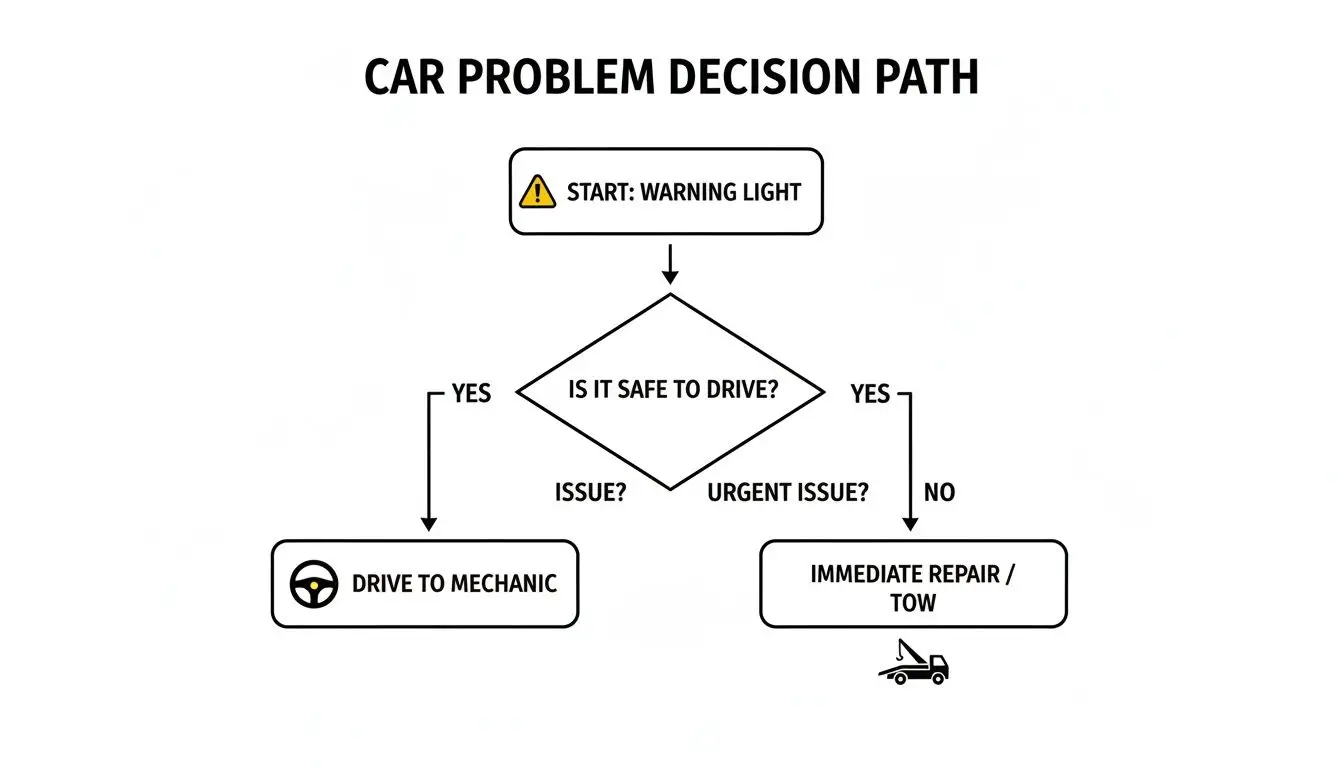
As you can see, some lights are just warnings, but others—like a flashing check engine light or a low oil pressure light—are your car’s way of screaming for you to pull over. Driving with those on can cause serious, expensive engine damage.
Assess the Warning Signs
Before you even pick up the phone, do a little detective work. The more specific you can be, the faster a good technician can pinpoint the problem.
Gathering these details before you call makes a huge difference and helps the shop give you better advice right from the start.
Quick Diagnostic Checklist Before You Call a Mechanic
Use this checklist to gather key information about your car's problem. Having these details ready makes it much easier for the shop to help you.
| Symptom Category | What to Look For or Listen For | Note to Share with the Shop |
|---|---|---|
| Noises | Squealing, grinding, clunking, or hissing sounds. When does it happen? (Braking, turning, accelerating) | "I hear a loud squeal from the front wheels only when I brake." |
| Lights | What color is the warning light? (Red, yellow, green) Is it solid or flashing? | "My check engine light is on, and it’s flashing." |
| Leaks | Check under the car for drips. What color is the fluid? (Bright green, red, dark brown, or black) | "There's a puddle of bright green fluid under the engine." |
| Smells | Do you smell burning, gasoline, or something sweet like syrup? | "I smell something like burning rubber after driving for a while." |
| Feeling | Does the car shake, pull to one side, or feel sluggish? When does it happen? | "The steering wheel shakes when I drive over 50 mph." |
Having these notes ready shows you’re paying attention and helps us get to the root of the problem faster. It’s the first step to an efficient and honest repair experience.
Pro Tip: Use your phone to record any weird sounds. It’s hard to describe a "clunk" or "whine" over the phone, but playing a short audio clip for a mechanic can give them an invaluable clue.
Think about it. Calling a shop and saying, "My car is making a noise," doesn't give them much to go on.
But telling them, "I hear a clunking noise from the front right wheel every time I drive over a speed bump," gives a technician a huge head start. That kind of specific information helps turn a frustrating "auto repair near me" search into a fast, effective solution.
How to Vet a Trustworthy Local Auto Repair Shop
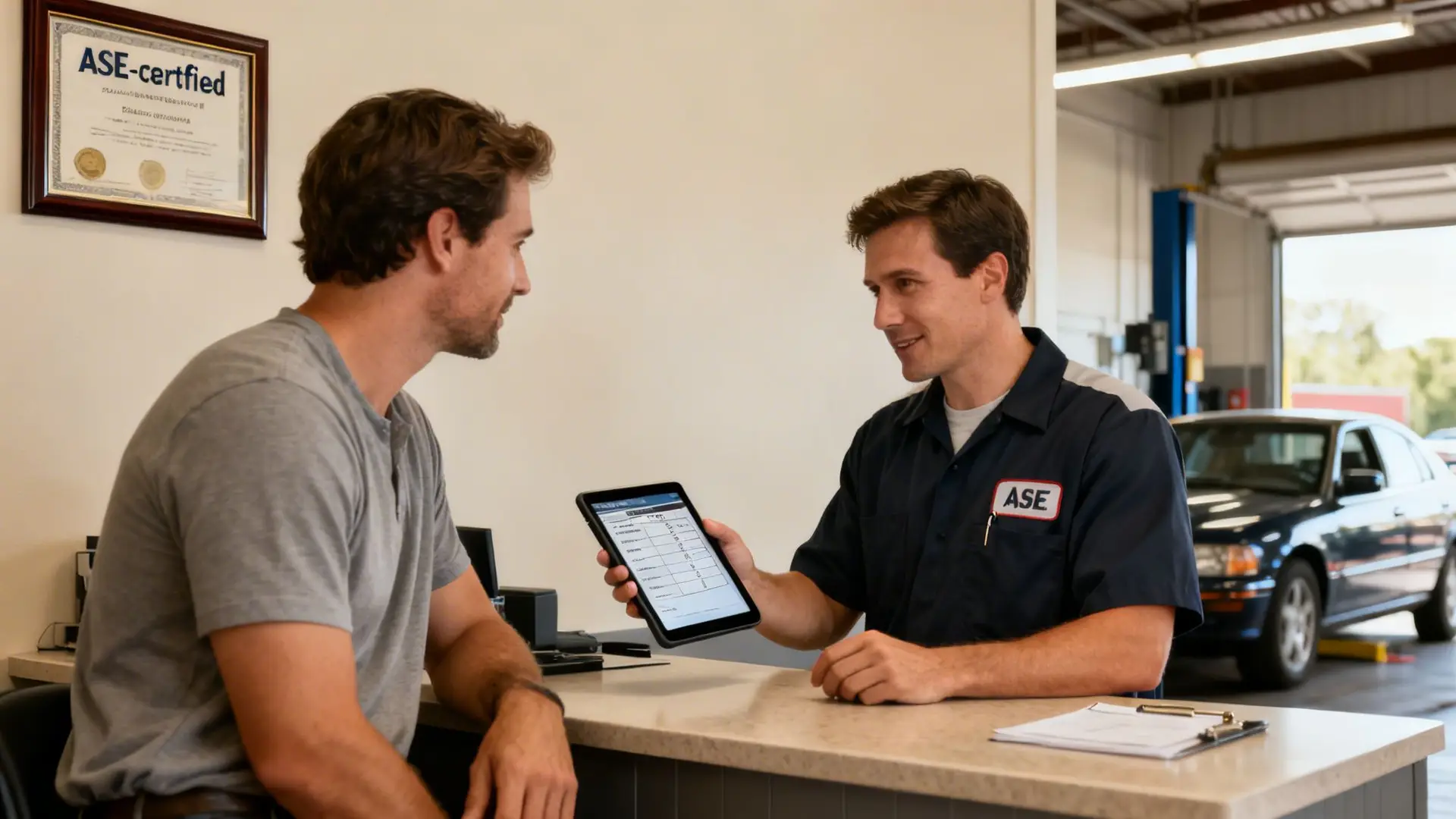
Once you’ve noted your car’s symptoms, the real work begins: finding a mechanic in Richland Hills you can actually trust. A quick search will give you plenty of options, but how do you separate the real pros from the rest? It comes down to knowing what to look for beyond just a star rating.
With the number of independent mechanic shops in the U.S. growing by 12% in recent years, you have more choices than ever. That makes having a solid checklist even more important.
Always Look for ASE Certification
This is the big one. Make sure any shop you consider has ASE (Automotive Service Excellence) certified mechanics. This isn’t just a sticker for the window; it’s proof a technician has passed tough exams and is committed to their craft.
When your car is in a bay with an ASE-certified tech, you know it’s in the hands of a professional who takes their work—and your safety—seriously.
A good shop is proud of its team. If they’re cagey about confirming their technicians' ASE certifications, that’s a major red flag. Keep looking.
Read Between the Lines on Reviews, Warranties, and Estimates
Online reviews are a great starting point, but you have to know how to read them. Look past the star count and search for patterns.
- Communication: Do people mention that the shop explained the work clearly?
- Honesty: Are there comments about fair pricing and not being pressured into extra services?
- Problem-Solving: Check the negative reviews. A professional and helpful response from the owner is a much better sign than silence or excuses.
Next, ask about the warranty. A reputable shop will always stand behind their work with a solid guarantee that covers both parts and labor. No warranty? No confidence. It’s that simple.
Finally, a trustworthy shop gives you a detailed, written estimate before any work begins. A vague quote or a pressure-filled sales pitch is your cue to walk away. Transparency is everything when it comes to auto repair.
For a deeper dive, check out our guide on how to find a good mechanic.
Arriving Prepared for Your Repair Appointment
You know your car better than anyone. You’re the one who drives it every day, so you notice when something just feels… off. That’s why the single most important piece of information you can bring to a repair shop is your own experience.
The trick is turning what you see, hear, and feel into a clear story for the technician. Doing this can save a ton of time on diagnostics and point us directly to the root of the problem.
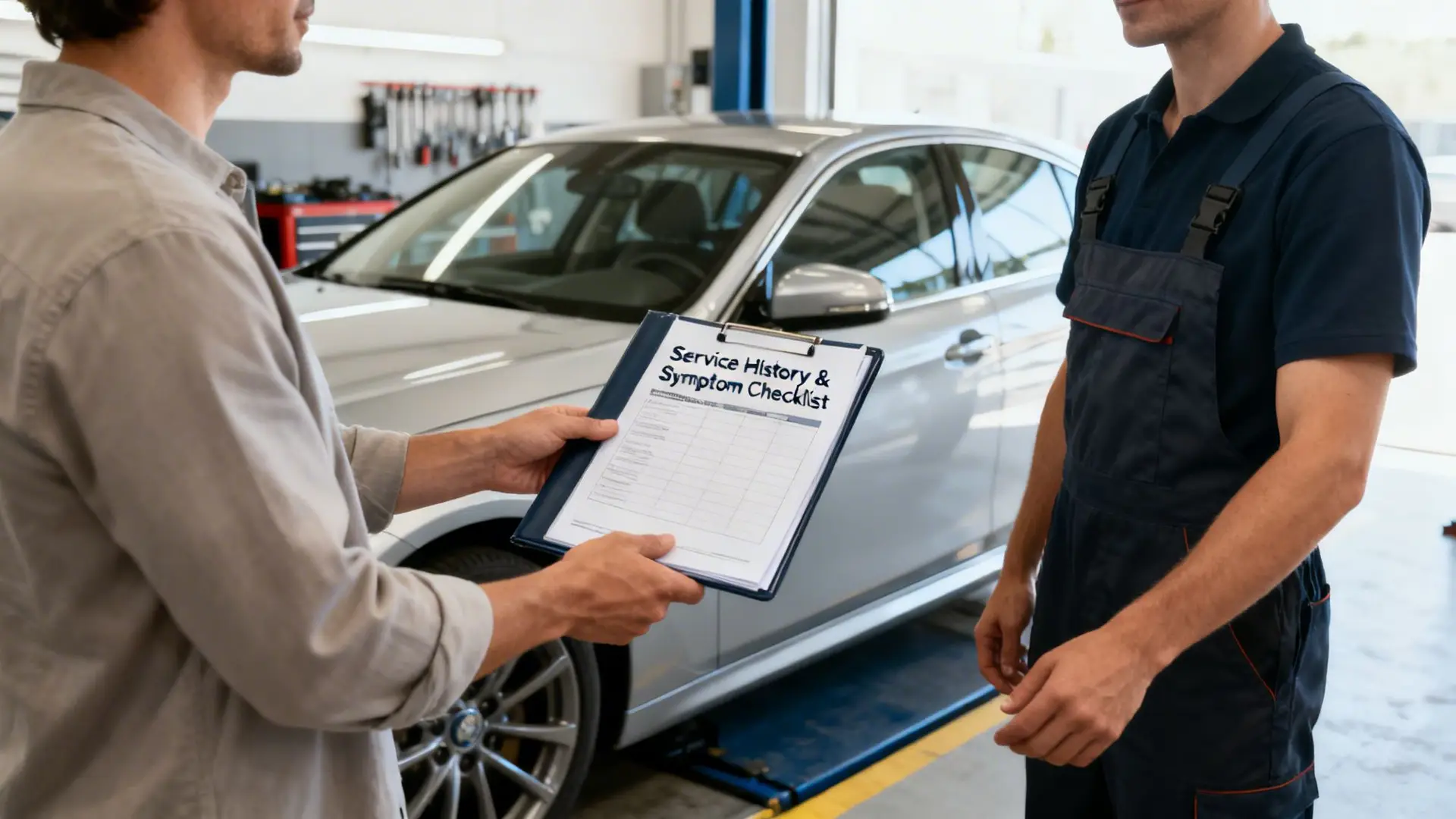
Before you even grab your keys, pull together any recent service records you have. Knowing when the last oil change, brake job, or fluid service was done gives the mechanic a crucial starting point.
Jot Down the Details
This is where you can really help. Don’t worry about sounding like a mechanic; just describe the problem like you’re talking to a friend. Grab a piece of paper or use the notes app on your phone to answer a few simple questions:
- The "What": What exactly is the problem? Is it a strange noise, a weird vibration, an odd smell, or a warning light on the dash?
- The "When": When does it happen? Is it all the time, or only when the engine is cold? Does it show up at certain speeds, during a turn, or after you've been driving for a while?
- The "Where": Can you tell where the issue is coming from? For instance, is that rattling sound coming from under the hood or closer to the back of the car?
Think about the difference between saying, “My brakes are making a noise,” versus, “I’m hearing a high-pitched squeal from the front driver’s side wheel, but only for the first two or three stops in the morning.” That one extra sentence gives a technician a massive head start.
Taking a few minutes to gather these details helps the shop run the right tests from the get-go, which saves you both time and money. It moves the conversation from a vague complaint to a focused, efficient repair. As you get more comfortable with this, you'll also have an easier time sorting through shop feedback, which we cover in our guide to understanding auto repair shop reviews.
Spotting Red Flags Before Authorizing Repairs
Your best defense against a bad day at the auto shop is knowing what to look out for before you hand over your keys. When your car is acting up, it’s easy to rush into a decision, but that’s exactly when you can get taken for a ride—and not the good kind. Learning to spot the warning signs of a questionable shop puts you back in the driver’s seat.
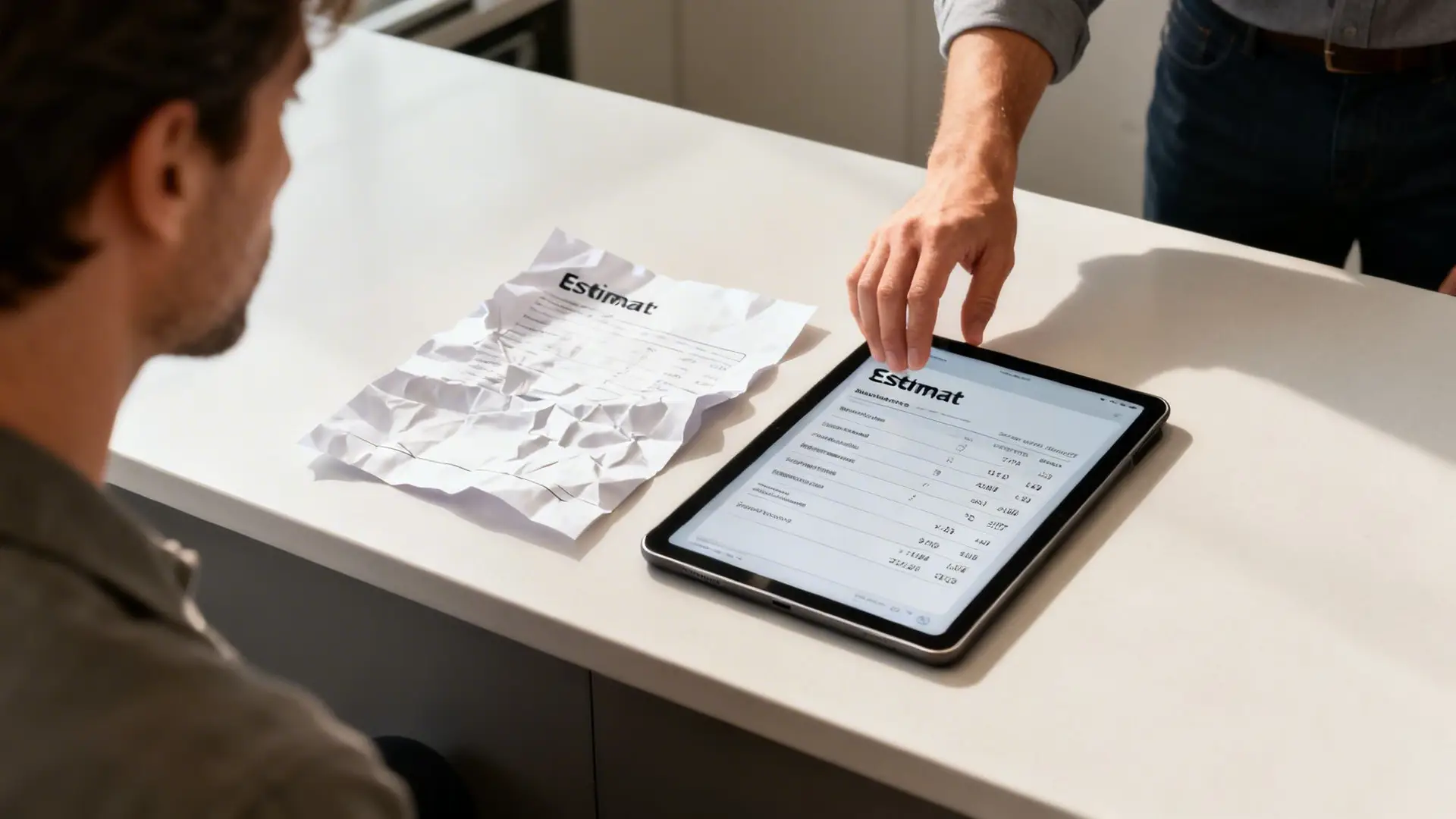
The second you feel pressured is the second you should pause. High-pressure sales tactics are a classic red flag. A good, honest mechanic will explain the situation and give you the room you need to make a smart decision, not push you into authorizing something on the spot.
Vague Estimates and Poor Communication
Clarity is everything. If a shop hands you a single, mysterious number with no real explanation, pump the brakes. A trustworthy shop will always provide a detailed, itemized estimate that breaks down exactly what they plan to do.
A good technician should be able to explain the problem and the fix in simple terms you can actually understand. If they hit you with a wall of confusing jargon or get annoyed when you ask questions, it’s a big sign they don’t value transparency.
Here’s another major tell: a refusal to show you the old parts. You have every right to see the damaged components that came off your vehicle. If a shop claims they already "threw them away," they might be hiding something.
Green Flags vs. Red Flags
Ultimately, you have to trust your gut. If something about a shop feels off, you can always take your business elsewhere. When you're looking for auto repair here in Richland Hills, knowing the difference between a good sign and a bad one is critical.
Green Flags to Look For:
- They provide a detailed, written estimate before any work begins.
- The service advisor is patient and answers all your questions clearly.
- The shop proudly displays its ASE certifications for everyone to see.
- They offer a clear warranty on both parts and labor.
Red Flags to Avoid:
- They pressure you to make an immediate decision.
- The estimate is just a single dollar amount with no details.
- They won't let you see the old, replaced parts.
- The shop is a disorganized, cluttered mess.
Spotting these signals early helps you confidently choose a shop that’s built on honesty and quality work, ensuring you get a fair deal and a reliable repair every time.
Why a Local Richland Hills Shop Builds Real Trust
When you type "auto repair near me" into your phone, you aren’t just looking for the closest address. You’re looking for someone you can trust with your vehicle, your safety, and your wallet. While the big national chains have their marketing budgets, there’s something different about a local shop right here in Richland Hills—it’s a relationship, not just a transaction.
A neighborhood shop lives and dies by its reputation. The technicians aren't strangers; they're our neighbors. That connection is everything. It’s why local shops in the automotive industry are so focused on honest work and fair prices—our success depends on earning your trust for the long haul.
The Benefits of Staying Local
Choosing a mechanic down the street is about more than just convenience. It’s about partnering with a team that gets it—they know the local roads, they understand the impact of Texas weather, and they value your business enough to want to see you again. You're a familiar face, not an invoice number.
The real magic of a great local shop is consistency. When you can talk to the same service advisor or technician every time, they get to know your car's history and its little quirks. That leads to faster, more accurate diagnostics and service that truly fits your needs.
This relationship delivers real-world advantages:
- Smarter Advice: We know your car and how you drive, so we can give you recommendations that actually make sense for your budget and lifestyle.
- Community First: Spending your money here keeps it here, strengthening our Richland Hills economy.
- Real Flexibility: Local shops can often be more accommodating, offering walk-in services when that check engine light suddenly pops on.
The Growing Need for a Mechanic You Can Count On
Finding a dependable auto shop isn't just a personal goal; it’s part of a huge trend. The demand for reliable auto service is exploding, with the global market expected to hit $1,134.82 billion in 2026 thanks to an annual growth rate of 8.3%. With so many options out there, having a go-to local expert is more critical than ever.
At Express Lube & Car Care, we’re proud to be a part of the Richland Hills community. Our commitment is simple: provide honest, top-tier service with ASE-certified technicians you can talk to and trust. We want to be the partner you turn to for years to come, keeping your car safe and reliable for every mile. You can learn more about ASE certification and see why it’s so important to us.
Common Questions About Auto Repair in Richland Hills
When you’re looking for a trustworthy mechanic in Richland Hills, a few questions always come up. We get it. You need clear, straightforward answers before you hand over your keys. Here’s what local drivers ask us most.
Do I Always Need an Appointment?
Not necessarily. While it's smart to schedule major work like an engine replacement, car trouble rarely happens on a convenient schedule.
We know you can't plan for a dead battery or a check engine light. That's why we welcome walk-ins for diagnostics, oil changes, and most common repairs. It’s always good practice to call ahead if you can, but a shop that can fit you in when you're in a pinch is a true lifesaver.
What Does ASE-Certified Really Mean for My Car?
Seeing that ASE (National Institute for Automotive Service Excellence) certification isn't just a fancy logo. It’s your proof of expertise.
It means the technician working on your car has passed demanding, specialized exams and is committed to staying current with modern vehicle technology.
An ASE-certified tech doesn't guess—they diagnose. You’re getting a professional who has proven they know how to fix your car right the first time.
How Can I Save Money on Repairs Without Risking Quality?
The best way to save is by avoiding big repairs in the first place. Consistent, preventative maintenance is key—it turns potential disasters into minor adjustments.
Beyond that, find a local shop that values your business. Look for monthly specials or discounts for first-responders and military personnel. Most importantly, always ask for a detailed, written estimate before any work begins. This one step keeps you in control and eliminates those frustrating surprise charges on your final bill.
At Express Lube & Car Care, our ASE-certified team has the honest answers and reliable solutions you're looking for. Have a question or need help right now? Just stop by—no appointment needed. Find out more at https://www.expressluberichlandhills.com.